
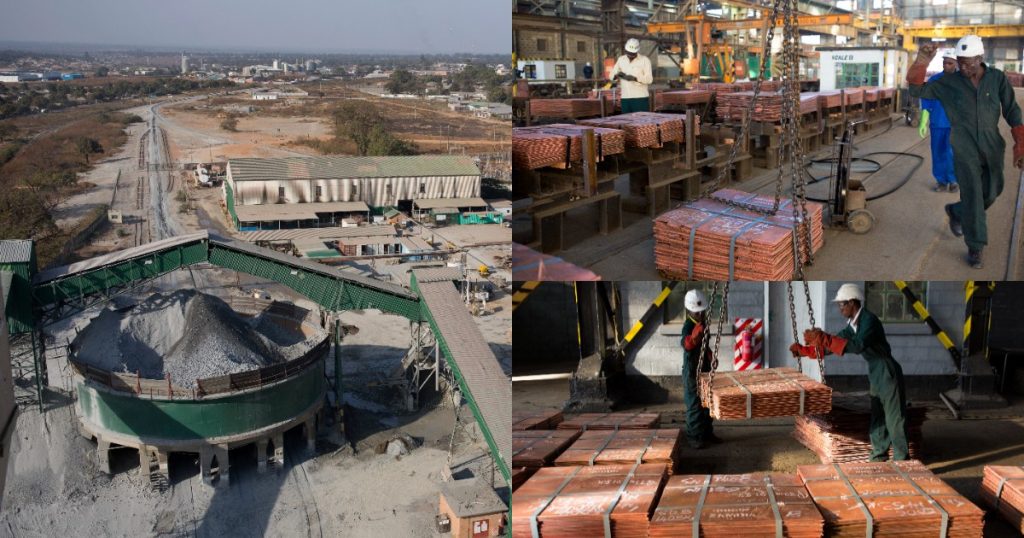
India was allocated about 9,000 square kilometers in Zambia last year for the exploration of cobalt and copper, minerals central to electric vehicle batteries, electronics, and power infrastructure. Cobalt is a key input in battery chemistries, while demand for copper has been rising globally alongside the energy transition.
A government-backed Indian geological team was deployed to Zambia last year and has since returned with samples of cobalt and copper. The exploration programme was initially structured to run for three years, after which New Delhi planned to open participation to private companies, contingent on securing formal mining rights.
The sources said it was unclear why Zambia had not provided the necessary assurances. India is attempting to revive discussions, although the outcome remains uncertain. Zambia’s government did not immediately respond to requests for comment, while India’s Ministry of Mines also did not comment.
The stalled negotiations come as India intensifies efforts to secure critical mineral supplies through government-to-government agreements across Africa, Australia, and Latin America, amid concerns about tightening global supply chains.
India has been reviewing its exposure to copper supply risks following the 2018 shutdown of Vedanta’s Sterlite Copper smelter, which significantly reduced domestic output. The country imported about 1.2 million metric tonnes of copper in the fiscal year to March 2025, a 4 percent increase from the previous year.
India remains heavily reliant on imports for cobalt, with shipments of cobalt oxide rising 20 percent in 2024-25 to 693 metric tonnes, according to government data.
Analysts say securing cobalt and copper is becoming central to India’s industrial strategy amid global competition for critical minerals supply security.