
Summers are getting hotter and longer across much of the world, including India. These record-breaking temperatures are also harming communities and ecosystems.
Scientists say these rising temperatures are being made worse by human-caused global warming. Burning fossil fuels like coal, oil, and gas emits carbon pollution that traps heat in the atmosphere, warms up the planet, and leads to more severe heat waves that increase heat-related illnesses in India. Burning fossil fuels also causes air pollution that has already reached harmful levels in many Indian cities, which is a serious health risk for many.
Longer, more frequent, and intense heat waves
Heat waves are long periods of extreme heat and are among the most severe consequences of global warming. In recent years, cities across India have seen longer, more frequent, and intense heat waves, during which temperatures go well above normal for days or weeks at a time. Taking breaks and staying hydrated are essential ways to stay safe during a heat wave. However, without reliable electricity and cooling systems like fans and air conditioners, many households struggle to escape the extreme heat. Electricity outages are a frequent challenge in India, and when they happen during a heat wave, people are left without cooling at the exact moment they need it most.
Renewable energy can increase electricity reliability
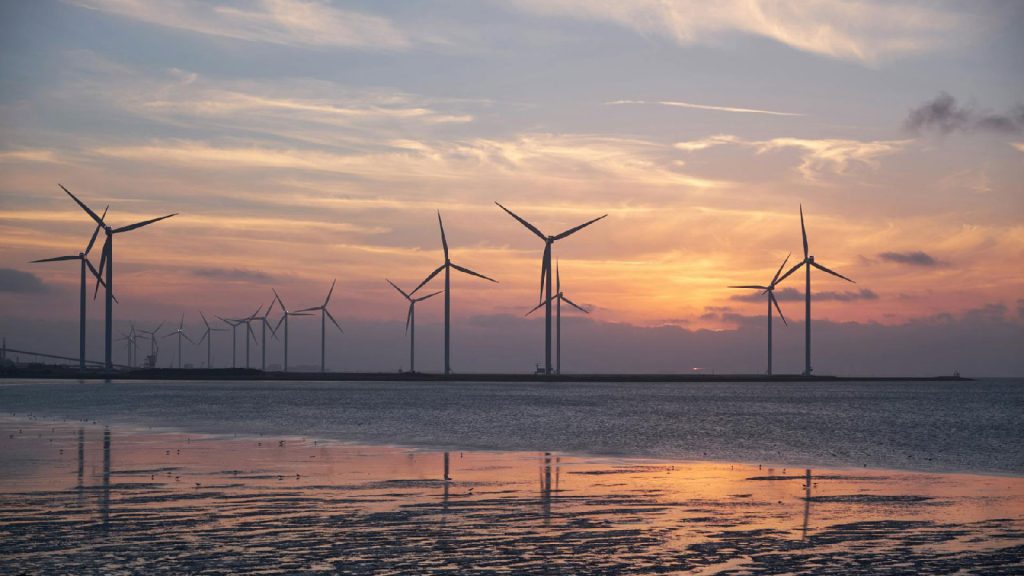
The shift to clean energy helps reduce the carbon pollution that causes global warming and can make the electricity grid more reliable. Solar panels and wind turbines do not produce air pollution, and produce far less carbon emissions than do fossil fuels. As India accelerates its energy transition from fossil fuels to renewable energy, investments in distributed solar, battery storage, and grid upgrades can make electricity more reliable, even during extreme weather events. These technologies help prevent blackouts that can leave millions of people vulnerable during heat waves.
Renewable energy is also a major economic opportunity. The renewable energy sector already employs millions of workers around the world and is growing much faster than the fossil fuel industry. In India, expanding renewable energy can create new jobs in manufacturing, installation, and maintenance.
Moreover, renewable energy can lower the cost of electricity over the long term. Energy produced by the sun and wind is free and available almost everywhere. As a result, solar and wind power have some of the lowest average costs of all energy sources today, meaning they can make electricity more affordable for households and businesses. Reliable, affordable power not only helps families stay cool in the summer heat, it supports education, health, and economic growth year-round.
Renewable energy can make India more resilient
Transitioning from fossil fuels toward cleaner and more resilient energy systems is a key strategy to reduce the risks of extreme heat, as well as the harms to human health from air pollution, while building stronger communities in India.