
By Catherine Lai
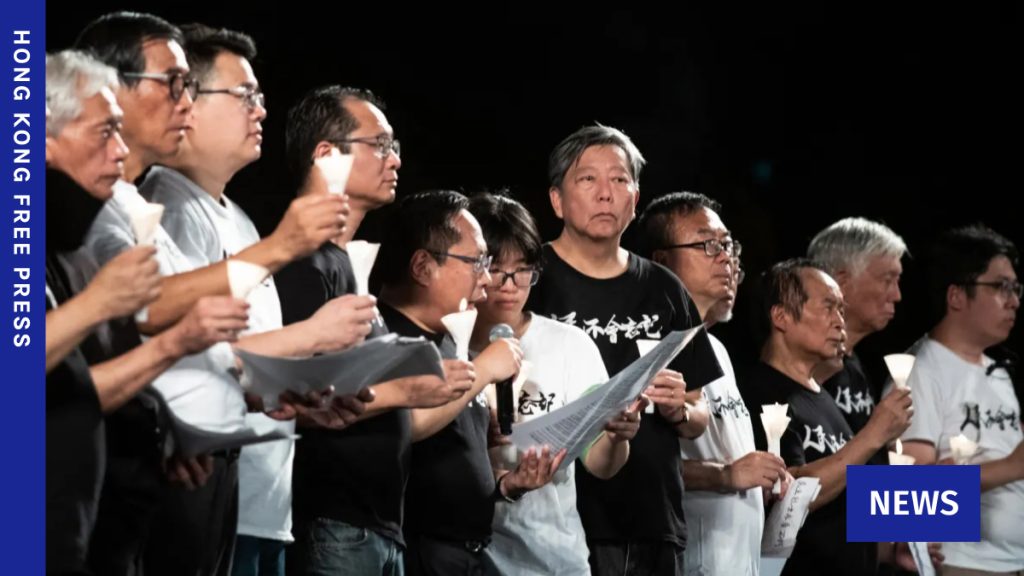
Activists Lee Cheuk-yan and Chow Hang-tung once led thousands of Hong Kongers in candlelight vigils every June 4 to remember China’s 1989 Tiananmen crackdown.

This year, the pair are facing up to 10 years in jail after their trial under a Beijing-imposed national security law, during which they sought to defend the slogans they had chanted openly for decades.
Hong Kong and Macau used to be the only places on Chinese soil that permitted large-scale vigils to mourn those who died on June 4, 1989, when the government sent troops and tanks to crush protests calling for political reform.
But public commemoration has been effectively banned since the national security law’s introduction in 2020, following huge and sometimes violent pro-democracy protests the year before in Hong Kong.
Lee and Chow’s fate is a “gesture by the government to tell everyone where the boundary is, what is no longer allowed to be discussed”, Dennis, a 29-year-old Hongkonger who used to attend the vigils, told AFP.
“The space for public discussion is much smaller, if it even exists,” he said, using a pseudonym for fear of retaliation.
Lee and Chow, who organised the vigils as leaders of the now-defunct Hong Kong Alliance, are expected to receive their verdict in July on charges of “incitement to subversion”.
‘Space for discussion’
At the time, the Chinese government officially defined the Tiananmen protests as a “counter-revolutionary riot” driven by a “very small number of people”, justifying the use of force on June 4 as necessary to restore order.
It said around 200 protestors were killed, as well as several dozen soldiers.
The precise toll is unknown, but most other estimates range from 400 to over 1,000.
The Hong Kong Alliance, formed in May 1989 to support the demonstrators, began campaigning for redress after the crackdown.
For decades, its annual vigils were attended by tens of thousands, turning the city’s Victoria Park into a sea of candlelight.
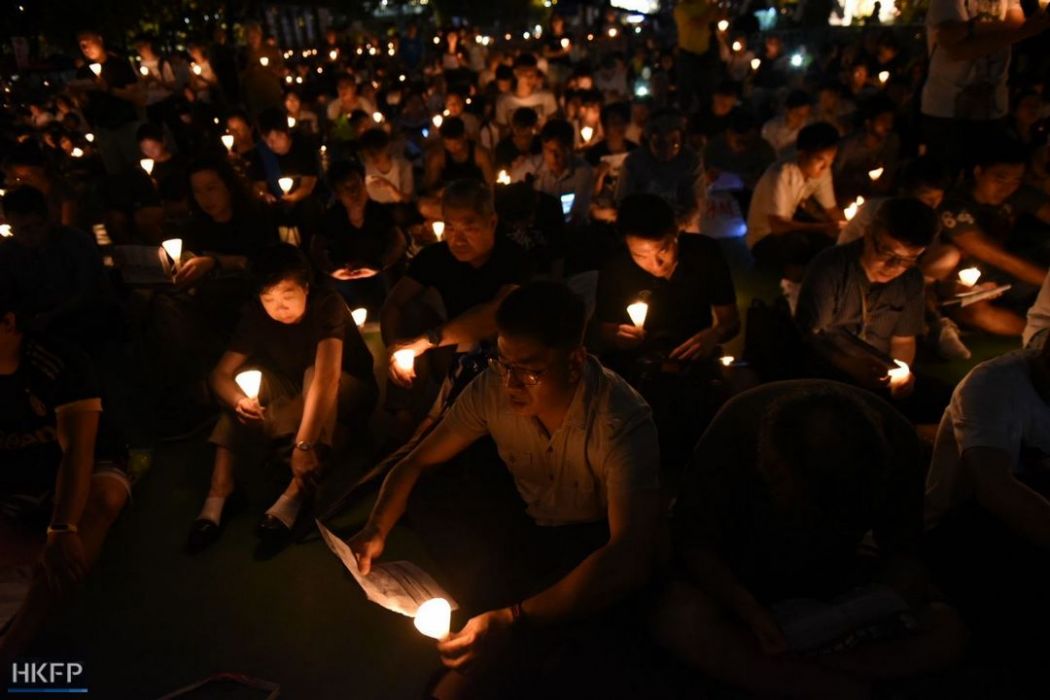
Calls to “end one-party rule” and “build a democratic China” were commonplace — a fact prosecutors in Lee and Chow’s trial now argue amounted to incitement to subvert the state.
Dennis remembers watching livestreams of the gatherings as a child, and debating their relevance as a university student when they came to be considered old-fashioned by some.
“At least before… whether you considered (the vigil) cheesy or not, there was still space for discussion,” he told AFP.
‘Everything has changed’
Former legislator Emily Lau said she no longer recognises her own city.
“Everything has changed, there are many things that you are not allowed to say, do not dare to say, won’t say… many media outlets have shut, much of civil society has vanished,” she told AFP.
In recent years, police have detained mourners around Hong Kong’s central Victoria Park and arrested multiple people for Tiananmen-related online posts.
On Wednesday, performance artist Sanmu Chan was stopped by police near the park as he unrolled a 6.4-metre (21-foot) long red string — a reference to the date and “red lines”.

Others will mark the day more subtly.
Dennis said he plans to listen to songs that were played at the vigils while walking around the area.
University student Laurie told AFP she didn’t “feel free speaking my mind… publicly” and would commemorate the day through prayers or a moment of silence.
“The issue is the lack of clear information on what is or is not allowed to (be talked) about, so people end up not saying anything altogether,” the 22-year-old said, using a pseudonym.
Hong Kong’s government told AFP it was committed to safeguarding the freedoms of citizens “that are protected by law”, but added that these were “not absolute”.
It warned that anyone using “the commemoration of a special day… to incite hatred” of China could be in violation of the city’s national security laws.
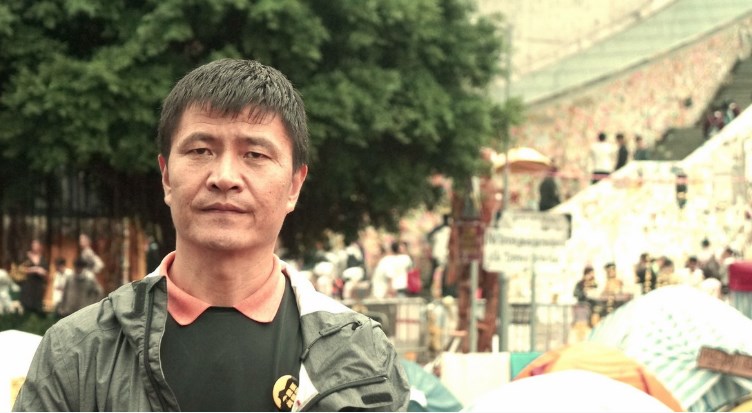
Zhou Fengsuo, a student leader during the 1989 demonstrations, said it was a “great loss” that the gatherings could no longer influence a young generation of Hong Kong activists.
“Every year on June 4th this (vigil) became a topic of international concern,” he said.
“That’s a crucial factor why the legacy of June 4th, 1989, is still known to the world today despite the Communist Party’s attempts to smear and obliterate it.”


