
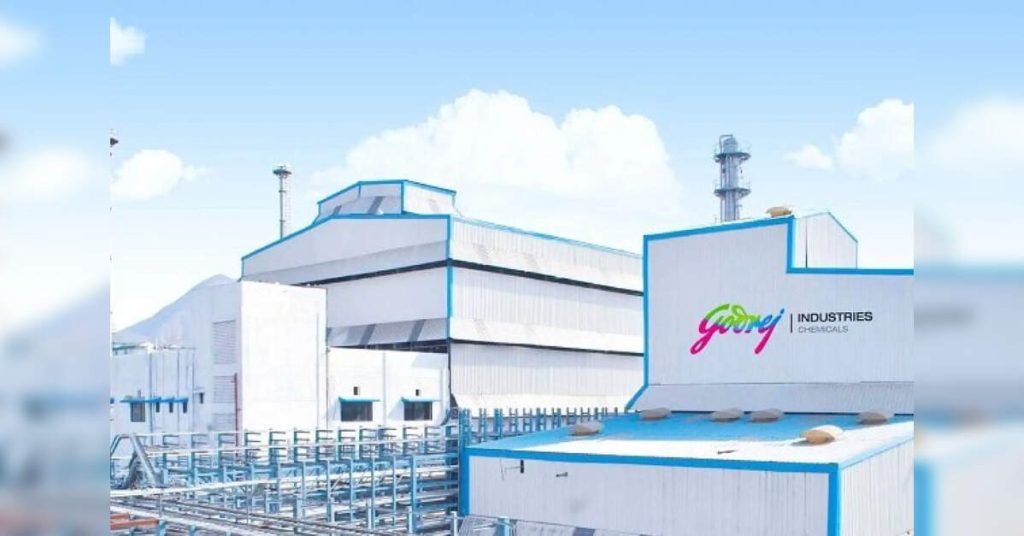
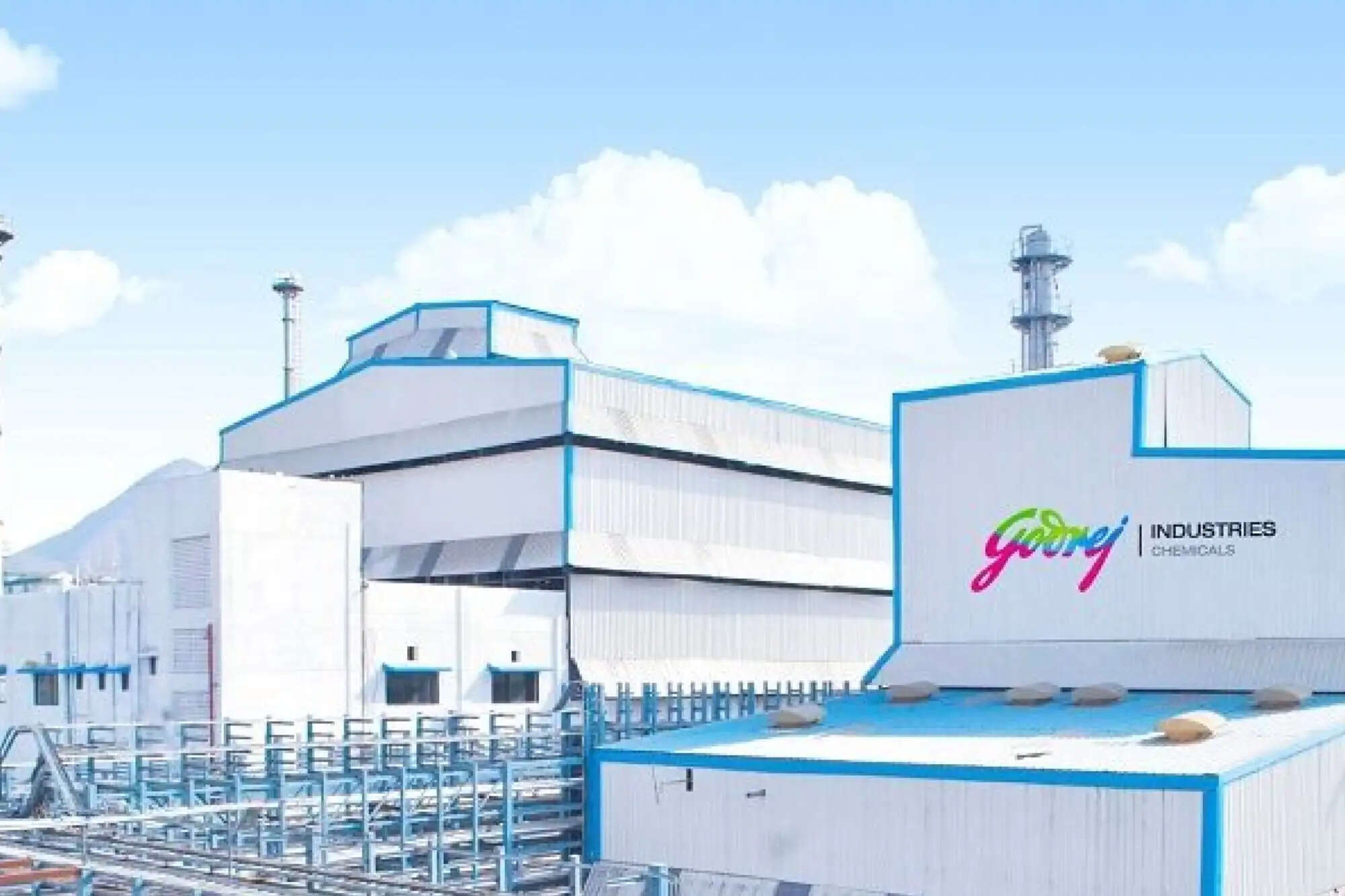
India’s chemical sector is being forced to rethink how it grows, and the pressure is coming from several directions at once. Geopolitical uncertainty, supply chain shifts, faster adoption of artificial intelligence and tighter sustainability expectations are all reshaping the operating playbook for manufacturers, according to Chemical Industry Digest, which reported that Godrej Industries (Chemicals) is preparing a major industry forum to discuss the next phase of change.The company will host the third edition of the National Chemistry Day Summit on August 17, 2026, at Godrej One in Mumbai. The gathering is timed to mark the birth anniversary of Sir Prafulla Chandra Ray, who is widely remembered as the father of the Indian chemical industry and a foundational figure in the country’s scientific history.A forum built around resilience, not just growthWhen the summit was introduced in 2024, the idea was to create a platform that could do more than celebrate chemistry’s legacy. It was meant to bring industry voices together around the future of manufacturing, research and competitiveness in India. This year’s theme, “Staying Resilient in a New Age World”, signals a sharper focus on how chemical businesses can absorb shocks, adapt quickly and still create value over the long term.That framing matters because the sector is not dealing with a single challenge. Companies are balancing cost pressures, volatile trade conditions, changing customer expectations and the need to modernise plants and processes. At the same time, sustainability is moving from a compliance issue to a strategic one, pushing firms to rethink energy use, emissions, resource efficiency and supply chain design.AI and digital tools move from side topic to boardroom issueOne of the more consequential parts of the discussion will be the role of artificial intelligence in chemical manufacturing. Digital tools are increasingly being used to improve productivity, sharpen decision-making and support competitiveness, especially in operations where margins are tight and process control is critical. The summit is expected to examine how AI can be deployed alongside operational excellence and digital transformation rather than treated as a standalone experiment.That shift is important for India’s chemical industry, which has traditionally relied on process know-how, scale and disciplined execution. The next phase is likely to demand more data-led planning, better forecasting, smarter maintenance and closer integration between research, production and customer requirements. For many firms, the challenge is not whether to digitise, but how quickly they can do so without disrupting reliability.Leadership wants collaboration to become an industrial habitVishal Sharma, executive director and chief executive officer of Godrej Industries (Chemicals) and chairperson of Astec LifeSciences, said the industry should think about resilience as preparation rather than reaction. In remarks cited by Chemical Industry Digest, Sharma argued that resilience now links technology, talent, partnerships and innovation, and that businesses able to connect those elements will be better placed to create long-term value.Sharma also positioned the summit as a place where industry participants can exchange ideas and search for practical answers rather than simply revisit familiar talking points. That emphasis on dialogue reflects a broader reality in chemicals: no single company can solve talent shortages, technology adoption, sustainability demands or supply chain disruption alone. The sector increasingly needs coordination between manufacturers, policymakers, innovation partners and research institutions.Why the timing matters for India’s chemical makersThe summit comes at a time when India’s chemical industry is trying to strengthen its global standing. The country has long been seen as a promising manufacturing hub, but the next leg of that ambition will depend on more than capacity expansion. It will require deeper scientific capability, stronger ecosystem partnerships and a willingness to invest in new technologies that improve both efficiency and resilience.In that sense, the National Chemistry Day Summit is being positioned as more than a commemorative event. It is an attempt to connect the industry’s scientific roots with its commercial future. By linking heritage, innovation and sustainability in one forum, the organisers are signalling that competitiveness in chemicals will increasingly depend on how well companies learn, adapt and collaborate.If the conversations in Mumbai translate into action, the impact could extend beyond a single event. A more coordinated approach to digital adoption, sustainability and industry policy could help Indian chemical makers build sturdier businesses and deepen their role in global supply chains. The summit, as Chemical Industry Digest reported, is designed to push that conversation forward.