
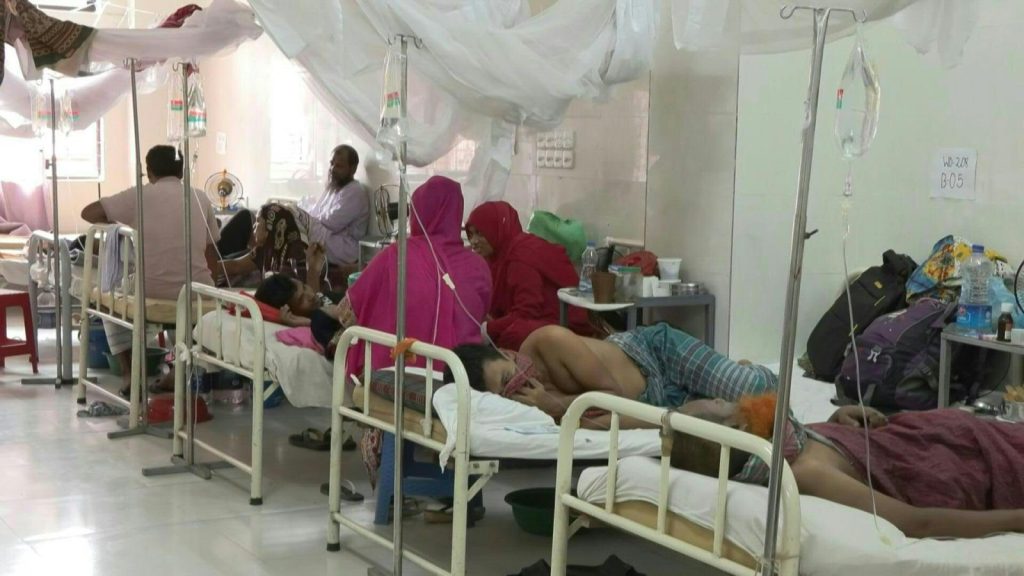
JAKARTA, Indonesia (MNTV) — Indonesia aims to eliminate dengue-related deaths by 2030 under an updated national action plan, as health authorities step up efforts to combat one of the country’s deadliest mosquito-borne diseases, reports Jakarta Globe.
“Dengue remains one of the biggest public health challenges in Indonesia. The country currently carries the highest dengue burden in Southeast Asia and is among the highest in the world,” said Acting Director General of Disease Prevention and Control at the Health Ministry Andi Saguni.
He said dengue transmission continues to be influenced by climate change, environmental conditions, population mobility, and the preparedness of the healthcare system, contributing to fluctuating case numbers each year.
Indonesia recorded around 161,000 dengue cases and more than 600 deaths in 2025.
Speaking ahead of ASEAN Dengue Day 2026, Communicable Diseases Director Prima Yosephine said dengue fever is a potentially fatal disease caused by the dengue virus and transmitted through the bite of the Aedes aegypti mosquito.
“Indonesia has the second-highest number of dengue cases in the world. Within Southeast Asia, we have the highest burden,” Prima said.
Indonesia accounted for around 3% of global dengue cases but 17% of dengue-related deaths worldwide in 2025, according to Health Ministry data.
“Through the commemoration of ASEAN Dengue Day, Indonesia must strive to move away from being the region’s highest contributor to dengue cases. Our target is to achieve zero dengue deaths by 2030,” she said.
Over the past five years, dengue cases have been most prevalent among people aged 15 to 44. Although case numbers fluctuated significantly between 2021 and 2026, the overall fatality rate has gradually declined.
The Health Ministry recently updated its National Action Plan for Dengue Control for 2026–2029 as part of efforts to achieve zero dengue deaths by 2030. The strategy focuses on four main areas: early detection and diagnosis, case management, prevention, and surveillance, combined with rapid response measures.
Supporting measures include strengthening governance and healthcare resources, expanding financing and partnerships, and improving data management, research, and innovation.
“The outcome we expect is zero deaths by 2030 and a reduction in dengue cases compared with 2021 levels,” Prima said.
Key interventions include environmental measures to reduce mosquito breeding sites, vector control targeting mosquito larvae and adults, and encouraging behavioral changes at household and community levels.