
NEED TO KNOW
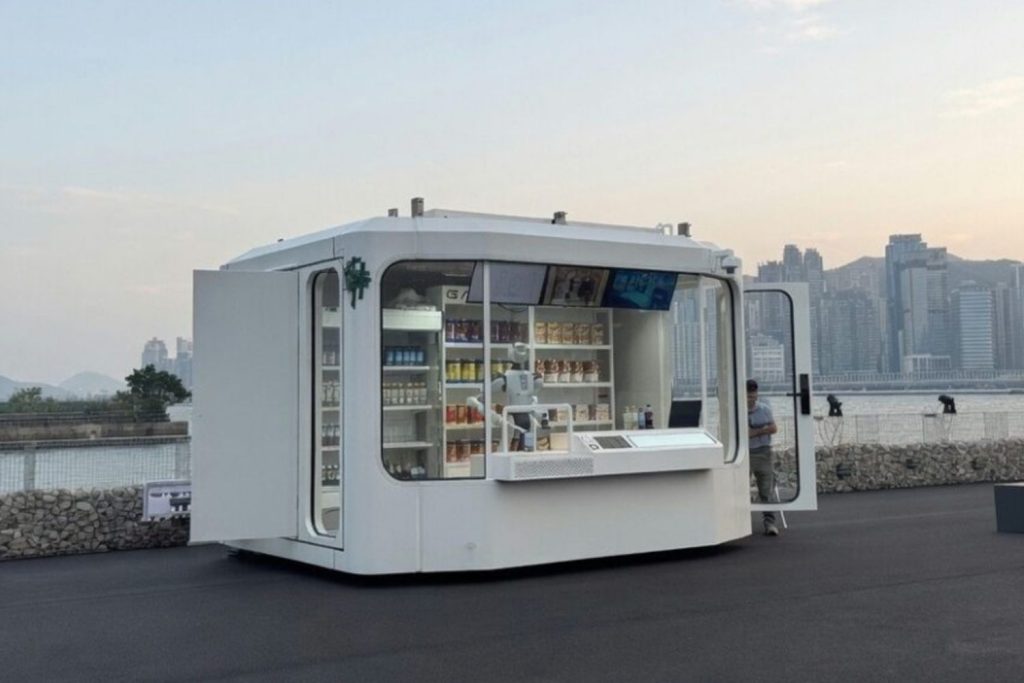
- A robot-run 24-hour convenience store is launching in Hong Kong
- The humanoid robot, Xiao Gai, can stock shelves and handle checkouts, as well as use voice and visual recognition, its manufacturer says
- The company plans to expand the robot-staffed store concept to 10 major cities internationally
A new store launching in Hong Kong will be staffed solely by a robot.
A 24-hour convenience store run by a humanoid robot is launching in Hong Kong, according to Inside Retail.
The small store will be operated by Xiao Gai, a humanoid robot from Galbot, per the outlet. Galbot has created a large AI model robot for several applications, including commercial and retail uses, according to its website.
Galbot says that its G1 robot is crafted for “precision picking & delivery,” along with “24/7 automated inventory management & restocking for a seamless shopping experience.”
The Galbot G1 robot has two moving arms and is around 5 feet 6 inches tall. It can reach up to about 7.8 feet and has an arm span of over six feet, per the website.
The company also claims that the robot can engage in “stable and predictable grasping and handoff” with its mechanical arms. A video showing the robot in action shows that it can reach for and grab products.
JESSICA LEE/EPA/Shutterstock
Galbot says on its website that the robot has visual and auditory perception, and thus can engage in “intent understanding, voice interaction, and target recognition.” The company added that the robot has the planning and understanding skills to make decisions in real working environments.
Per Inside Retail, the convenience store robot will be able to stock shelves and pick out items, in addition to handling checkouts. It said that the robot is designed to be able to handle a quick turnover of things like snacks and pharmaceuticals.
Per the outlet, the store will be located on the Hung Hom waterfront, a tourist attraction along the water. It said that Galbot estimates the robot-run store could raise foot traffic at the spot by up to 40% due to novelty.
Yoshio Tsunoda/AFLO/Shutterstock
The outlet reported that the company plans to expand this store format to 10 major cities internationally.
Hong Kong Investment Corporation (HKIC), which is backing the store, told the outlet in a statement that the robot “store manager” demonstrates the trend of AI “entering people’s everyday lives in more tangible ways.”
“In vigorously promoting AI development, we aim not only to empower industries and strengthen economic competitiveness, but also to deliver convenience that residents can truly experience, while creating new areas of growth and opportunity,” the firm told the outlet.
Galbot and HKIC did not immediately reply to PEOPLE’s request for comment.
Recently, humanoid robots started to be tested as baggage handlers at Haneda Airport in Tokyo.
A video of a demonstration of the robots showed one “pushing” cargo onto a conveyor belt.
A press release from Japan Airlines (JAL) said that the robots would move luggage and cargo on the tarmac. In the future, the airline said, the robots are planned to be used to clean airplane cabins and operate ground support equipment.
JAL shared that the tests came amid increased tourism and a worsening labor shortage. The airline worked with GMO AI & Robotics on the plan.
The airline said that the goal of the experiment was to decrease the workload of human baggage handlers. GMO AI & Robotics president Tomohiro Uchida told reporters on April 27 that the companies sought to reduce the need for human employees by about “half” in the future, as airports still rely “heavily” on human labor.
According to the BBC, some airports in Japan already use robots for security patrol and retail purposes.
The outlet cited Yoshiteru Suzuki, the president of JAL’s Ground Service, saying that using robots for physically taxing tasks will benefit employees, per the Kyodo news agency. He also said, however, that tasks like safety management can only be handled by humans.