
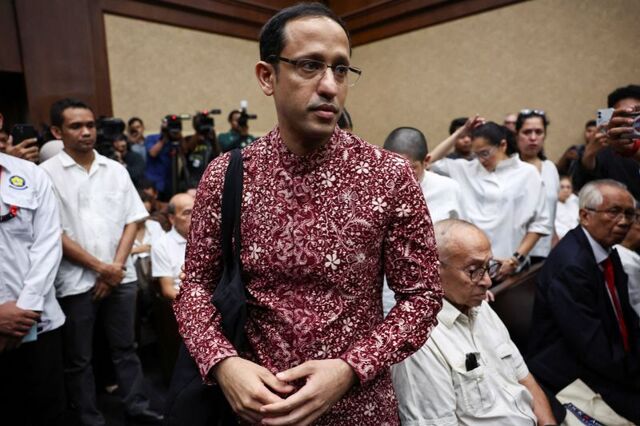
JAKARTA, 13 maggio (Reuters) – I pubblici ministeri indonesiani hanno dichiarato mercoledì di voler chiedere una condanna a 18 anni di carcere per Nadiem Makarim, ex ministro dell’istruzione indonesiano e cofondatore della società di ride-hailing Gojek, per il suo coinvolgimento in un caso di corruzione.
Si presume che sia stato coinvolto nell’acquisto improprio di computer portatili durante la pandemia, che ha portato a 125,64 milioni di dollari di perdite statali.
Se venisse concessa, la condanna a 18 anni di carcere sarebbe una delle pene più dure imposte a un ex ministro negli ultimi anni.
Makarim, che si è dimesso da amministratore delegato della società di ride-hailing Gojek nel 2019 per ricoprire il ruolo di ministro dell’Istruzione fino al 2024, è stato accusato di essersi arricchito di circa 809 miliardi di rupie (46,33 milioni di dollari) attraverso l’acquisto di computer portatili Chromebook e Chrome OS per le scuole tra il 2020 e il 2022, secondo i pubblici ministeri.
Makarim ha creato specifiche per le gare d’appalto che si adattavano solo al sistema Chrome per “rendere Google l’unico controllore dell’ecosistema educativo in Indonesia”, hanno affermato i pubblici ministeri.
Nell’udienza di mercoledì presso un tribunale per la corruzione di Giacarta centrale, i pubblici ministeri hanno affermato che il ruolo di Nadiem nel caso, mentre era in carica come ministro, ha violato gli impegni anti-corruzione del governo e ha danneggiato il sistema educativo.
I laptop Chromebook sono stati acquistati nonostante il ministero avesse stabilito nel 2018 che il loro utilizzo per l’apprendimento avrebbe richiesto una connessione a Internet, rendendoli inadatti all’Indonesia, dove la disponibilità di Internet è un problema importante nelle aree remote, hanno dichiarato i procuratori alla corte.
Il ministero ha comunque proceduto con l’acquisto dei Chromebook dopo che Makarim si è incontrato più volte con i rappresentanti di Google Asia Pacific e Google Indonesia nel 2020, secondo i pubblici ministeri.
Makarim è stato arrestato a settembre insieme a diversi alti funzionari del suo ministero. Il suo avvocato Ari Yusuf Amir ha dichiarato di aver negato di aver commesso illeciti.
Il legale di Nadiem è rimasto deluso dalle richieste, poiché i pubblici ministeri hanno ignorato le nuove prove presentate in tribunale, ha dichiarato Amir a Reuters mercoledì.
Ha detto di aspettarsi un verdetto per giugno.
Nadiem ha dichiarato il mese scorso all’agenzia di stampa Tech in Asia che il suo caso potrebbe spaventare gli investitori stranieri in Indonesia.
Il tribunale ha finora inflitto pene detentive fino a quattro anni e mezzo a tre funzionari legati al ministero per il loro coinvolgimento nel caso, tra cui un consulente tecnologico condannato martedì scorso.