
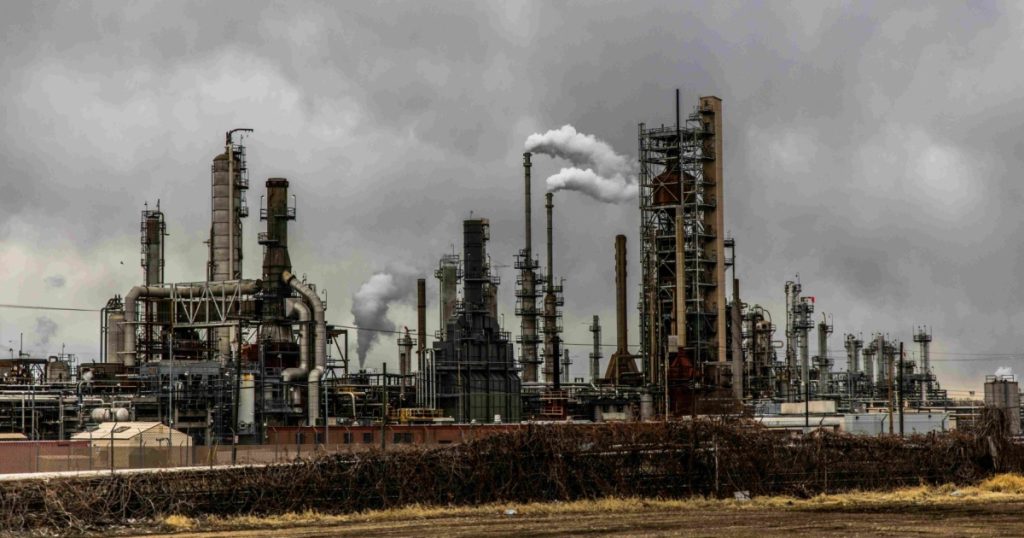
Oil and gas make up 49% of APEC’s energy mix.
Asia-Pacific economies remain heavily exposed to external shocks, with oil and gas making up nearly half of the Asia Pacific Economic Cooperation’s (APEC) energy mix.
The APEC Policy Support Unit (PSU) said in a recent report that oil prices have increased 52.8% since February 2026, rising from $68 to $103.9 per barrel in March, following disruptions in the Middle East.
The report states that APEC economies import more than 45% of crude oil and 23% of gas from the Middle East.
Freight costs across intra-APEC routes have increased as higher fuel prices and slower port traffic raise shipping costs, disrupting global logistics and increasing food prices across the region.
APEC imports 27% of its nitrogen-based fertilisers from the Middle East, with the report linking higher energy and shipping costs to rising prices for vegetable oils, cereals, and meat.
Trade restrictions have increased through tariffs and trade remedies, weakening the outlook for merchandise trade.
Export volume growth is projected to slow to between 3.3% and 3.7% between 2026 and 2028, down from 7.6% in 2025, the organisation noted.
This comes as the Asia-Pacific economy grew 3.3% in 2025, above earlier projections of 3.2%, but is expected to slow over the next two years as energy costs and supply chain pressures intensify.
Growth in the region is projected to ease to 3.1% in 2026 and 3.0% in 2027 as output expansion slows in more than half of APEC economies.
Inflation in APEC is also projected to edge up from 2.4% in 2025 to 2.9% in 2026, whilst remaining below the global average of 4.4%.
“Higher cost of living for families, shrinking margins for businesses, slower job creation and growing uncertainty for economies, these are already being felt across the region,” said Carlos Kuriyama, Director of the APEC PSU.
He added that mounting public debt reduces fiscal space to respond to further shocks.
The report recommended that APEC economies strengthen supply chain resilience, diversify energy sources, invest in infrastructure, and expand support for households and businesses.