
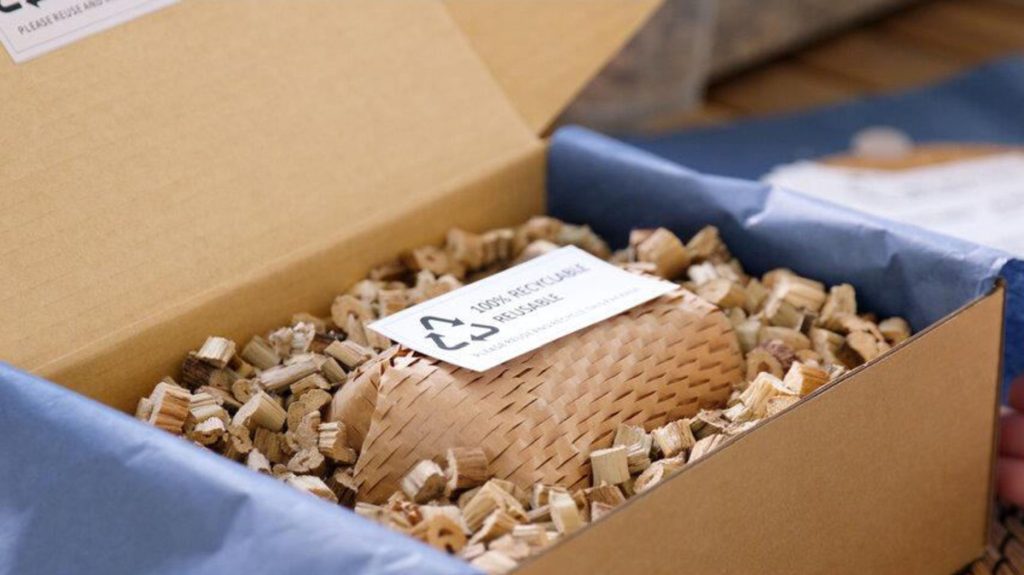
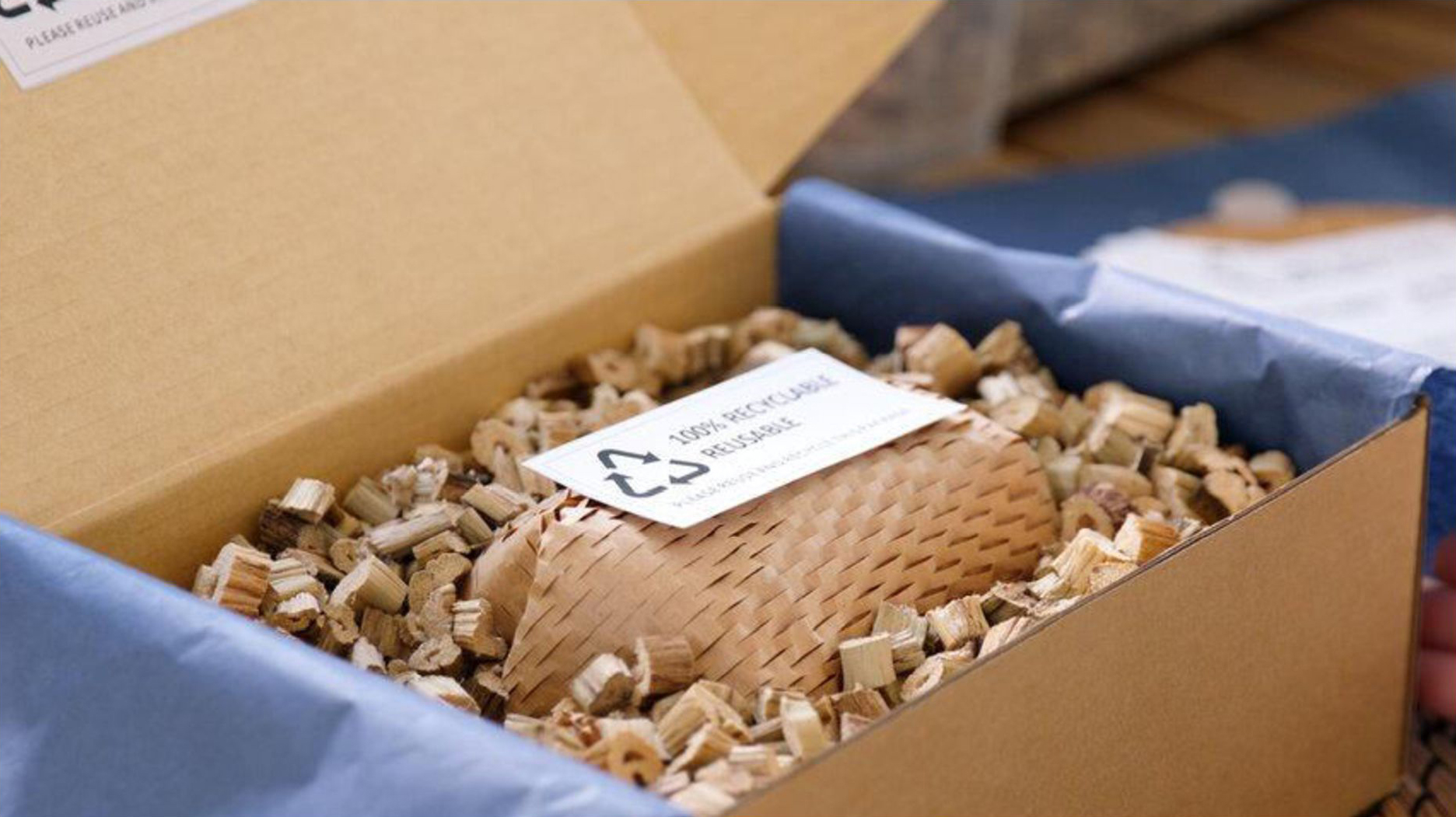
India is on the threshold of a revolution in packaging products. Growing concerns about the environment, greater regulations, and changing market conditions are redesigning how industries go about using packaging materials. Conventional plastic packaging has posed to be a trouble to nature itself, and lower recycling possibilities coupled with greater weights of wastes necessitate a shift to better alternatives. Bio-packaging promises to materialize soon, being eco-friendly, sustainably sourced, and drawn from nature itself, being bio-based and even renewable and sustainable by itself.
The use of biobased packaging, which is biodegradable, will be beneficial to India’s economic, environmental, and policy interests. While India is far away from its net zero target in 2070 with virgin plastics, with 4–6 kilograms of CO2 released per each kilogram of material, and 20–50% of cumulative emissions, the use of alternative bio-based materials such as paper from agricultural waste, mold fiber, Polylactic Acid (PLA), recycled Polyethylene Terephthalate (PET), mycelium, or seaweed packaging will reduce cumulative emissions by 20–50%. From an economic point of view, India is dependent on imported plastic resin or pulp raw materials which is vulnerable to global price fluctuations. Moreover, alternative bio-packaging has created opportunities to address the employment situation in the country’s rural areas by utilizing the country’s biomass to address growing demands for food safety, health, and sustainability.
Market Outlook and Industry Overview
India’s packaging industry ranks fifth in the list of the world’s largest and is projected to grow at a CAGR of around 22-25% in the upcoming years till 2027. The growth is attributed to new industries such as food processing, pharmaceuticals, or retail and online sales. The present share of packaging in the total usage of plastics in the country is above half. The rise of the e-commerce sector is only adding to the need for this industry. In the year 2023, the e-commerce industry generated around 1.2 million tonnes of plastic waste.
Bio-packaging materials, as the name suggests, are derived from renewable resources, i.e., derived from corn starch, sugarcane, cellulose, agricultural wastes, and biodegradable polymers, and thus provide an environmental advantage over conventional petroleum
India’s market for biodegradable and bioplastics packaging continues to grow steadily, driven by strong demand from the food services industry, FMCG players, and personal care companies. This is particularly evident in the larger cities across the Indian market, where consumers and brands are often easier to win over with green credentials and regulation. Although there are still rising costs and limitations in the short term, in the long run, there is expected to be a significant role for ‘bio-packaging’ going from being premium and niche to mainstream as economies of scale and lower costs through innovation and materials developments continue.
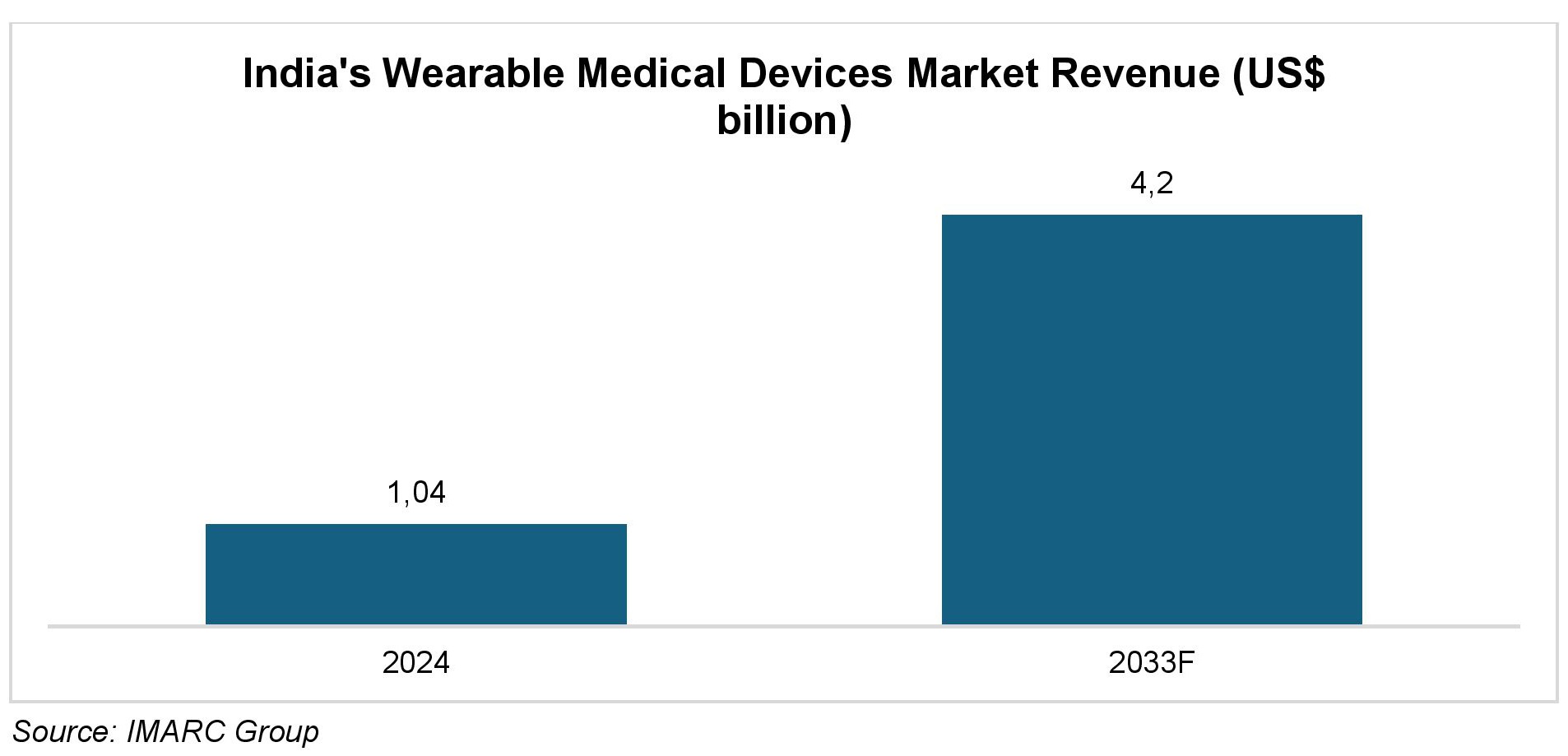
According to Energy Alternatives India (EAI), the market size of bioplastic products was estimated at Rs. 4,069 crore (US$ 457.19 million) for FY25. However, it is expected to grow to around Rs. 32,500 crore (US$ 3.65 billion) by FY35, indicating a healthy growth potential of around 23% from 2025 to 2035. Technical studies show that biobased packaging products have potential to account for greater than or equal to 75% of conventional packaging types, pending supportive standards and take-back systems exist.
Government Initiatives and Policy Environment
- India’s plastic management strategy is facilitated through the Plastic Waste Management (PWM) rules, with a gradual move toward full lifecycle accountability of plastic packaging products.
- The Plastic Waste Management Rules, 2016 rules initiated the concept of Extended Producer Responsibility (EPR), where the focus shifted from the need to segregate, collect, and dispose of plastic packaging, thereby moving toward producer-based plastic waste management systems.
- The PWM 2018 (Amendment) rules improved the rules, which are further tightened to ensure compliance through a phasing out approach of non-recyclable multi-layered plastics and making it mandatory to register producers and brand owners, moving toward a more compliant environmental approach.
- The PWM 2022 rules introduced the concept of outcome-based regulations, where recycling and reuse targets are made mandatory, recycled plastic is a requirement, and environmental compensation is part of the regulations, moving toward a circular economy-based approach.
- The PWM 2024 (Amendment) rules are further tightening this regulation, where clear guidelines are issued for the certification and reporting of biodegradable plastics and making it mandatory to disclose or report the quantities of pre-consumer waste to ensure that the producer and brand owners are not making false claims of sustainable products.
- The concept of Extended Producer Responsibility (EPR) has become a central part of the regulations and environment management, requiring producers and brand owners to enhance recycled content and reusable products. From 2025, the use of a barcode or QR code will be part of the regulations, making it mandatory and indirectly promoting simpler, mono-material, and compostable biodegradable products derived from bio-based materials.
- The National Packaging Initiative and the BioE3 policy support innovations in bio-based plastics, reducing dependence on fossil-based materials.
Growth Drivers and Trends
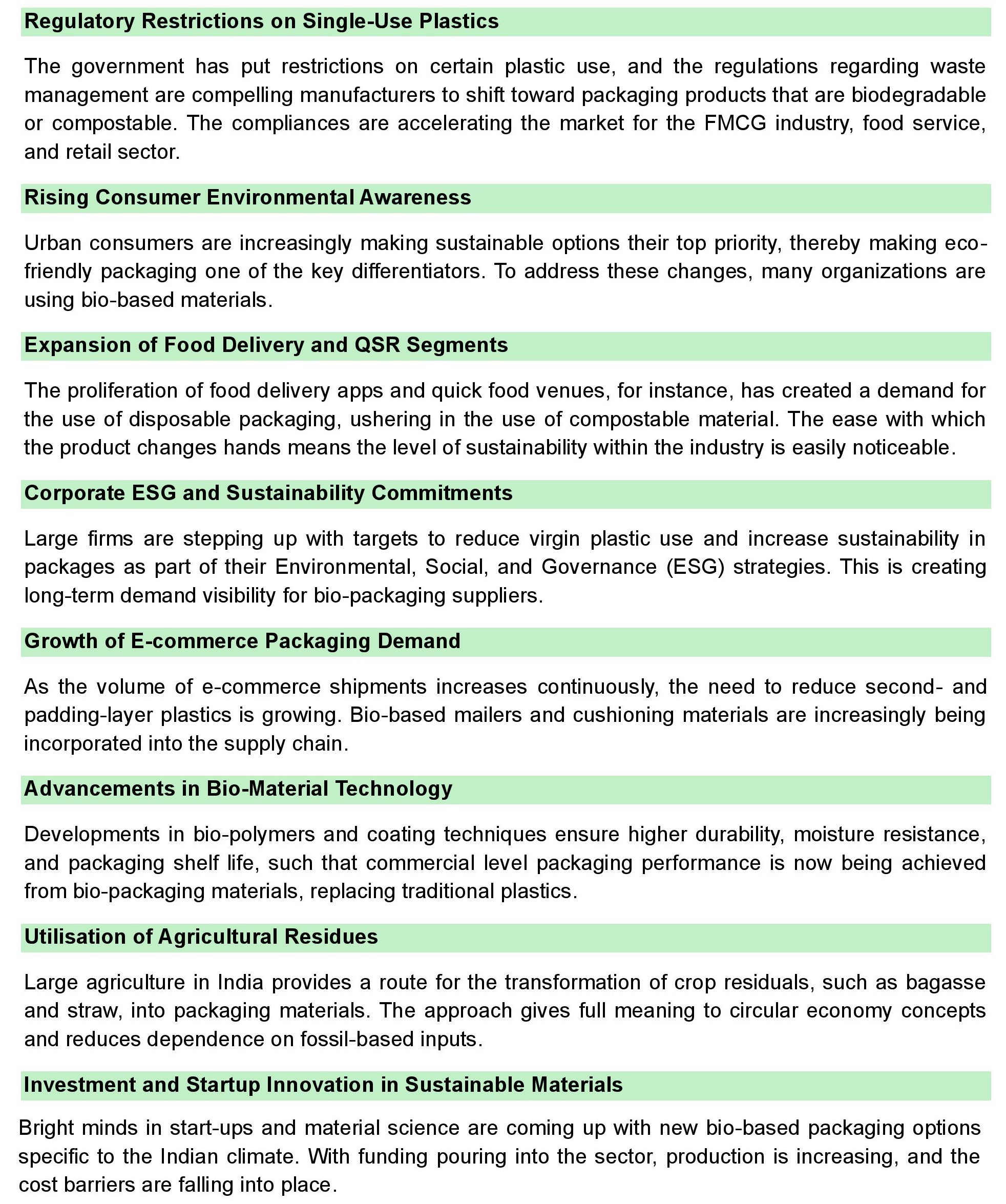
Bright minds in start-ups and material science are coming up with new bio-based packaging options specific to the Indian climate. With funding pouring into the sector, production is increasing, and the cost barriers are falling into place.
Outlook and the Road Ahead
The outlook is highly promising for the bio-packaging sector in India as sustainability is no longer a choice but rather a necessity. This is because the push for momentum from regulators, the preference for sustainability from the end-consumer, and the commitment of companies towards going further on the Environmental, Social, and Governance (ESG) front will continue to see the demand for bio-packaging rise in the coming decade. The cost differential between sustainable materials and conventional materials will come down as technology and manufacturing scale up.
Bio-packaging is not merely replacing one material with another; instead, it is an indication that India is moving forward with circular economy principles, where the entire completion of the life cycle of packaging is considered before the beginning of production. The potential gain for India is not merely about how to tackle plastic usage or plastic waste; instead, it is about how India can create a competitive edge in a sustainable material economy, using its agricultural resources to drive innovation and meet increasing internal demand with industries that develop in coherence with nature and sustainability.
FAQs
Why is bio-packaging becoming important in India?
Bio-packaging is gaining importance as packaging is the largest contributor to plastic waste in India. Bio-based and biodegradable alternatives address environmental concerns while supporting India’s sustainability and circular economy goals.
How does bio-packaging support India’s climate and economic objectives?
Bio-packaging helps reduce lifecycle carbon emissions, lowers dependence on imported plastic feedstock, strengthens domestic value chains, and creates rural employment through the use of agricultural residues.
What role do government policies play in promoting bio-packaging?
Policies such as the Plastic Waste Management Rules and Extended Producer Responsibility (EPR) mandate recycling, reuse, traceability, and certification, indirectly favouring compostable and bio-based packaging alternatives.
Which industries are driving demand for bio-packaging?
Food processing, e-commerce, pharmaceuticals, organised retail, and FMCG sectors are key demand drivers, supported by food safety concerns, regulatory compliance, and corporate sustainability commitments.
How large is India’s bioplastics market?
According to Energy Alternatives India (EAI) the India’s bioplastics market was valued at Rs. 4,069 Crore (US$ 457.19 million) in FY25 and is projected to reach Rs. 32,500 Crore (US$ 3.65 billion) by FY35, growing at a compound annual growth rate (CAGR) of 23% during 2025-2035.