
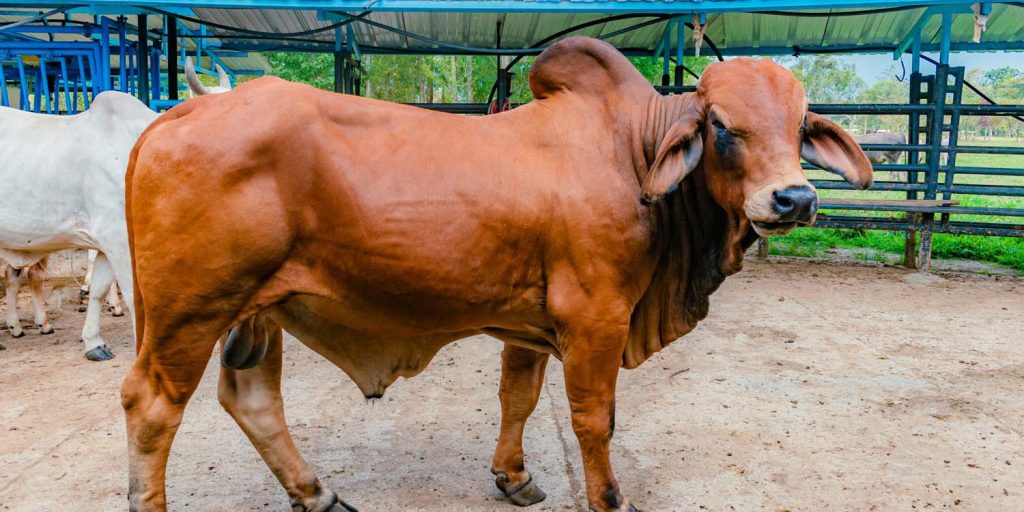
In recent days, Australian media have widely reported that the MV Al Kuwait, the world’s largest live cattle export vessel, has set sail from the Port of Darwin carrying more than 17.000 head of cattle to Indonesia. Initially, the ship was scheduled to export sheep to the Middle East. However, the ongoing war in Iran has halted the live sheep trade.
For Australia, Indonesia has long been a key partner as it is the largest market for its live livestock exports. According to 2025 data, Indonesia purchased approximately 583.418 head of cattle at a price of USD4,00 per kilogram of live weight.
Why Australian Cattle?
According to Prof Ronny Rachman Noor, a professor at the Faculty of Animal Science at IPB University, the main factor behind Indonesia’s reliance on cattle from Australia is the still limited domestic beef production.
“The domestic beef cattle population is not yet sufficient to meet national beef demand, particularly in major cities. This is linked to the relatively low productivity of local cattle compared to Brahman Cross cattle from Australia,” he said.
Bali cattle, for example, grow more slowly than imported cattle. Limited feed and land, as well as traditional and inefficient smallholder farming systems, also contribute to this. Distribution is also uneven. Production is concentrated in specific regions such as East Nusa Tenggara (NTT), Sulawesi, and Central Java, while demand is high in major cities like Jakarta, Surabaya, and Medan.
From a consumption perspective, demand for beef in Indonesia continues to rise alongside the growth of the middle class and the population. The food industry, restaurants, hotels, and catering services require a stable supply of beef. Beef also holds significant cultural value, particularly during religious occasions such as Eid al-Adha.
This imbalance between demand and production has led to a supply deficit. To make up for the shortfall, the government has opted to import live cattle from Australia.
“In terms of logistics and infrastructure, Australia has an integrated live cattle export system, including ports in Darwin, Kimberley, and Queensland. It is supported by large vessels such as the MV Al Kuwait, which can transport tens of thousands of head at a time at relatively competitive prices,” said Prof Ronny.
Benefits vs Risks and Losses
According to Prof Ronny, importing cattle from Australia offers a number of benefits, including a stable supply to ensure the availability of beef in the local market. Additionally, the prices of imported cattle are relatively competitive, providing the industry with another option. In terms of quality, Australian cattle (Brahman Cross) grow faster and are better suited for feedlots. All these factors, he said, help strengthen bilateral trade relations between Indonesia and Australia.
However, this dependence poses risks. High import volumes and reliance make Indonesia vulnerable to geopolitical disruptions, global price fluctuations, as well as logistical and animal health risks. As an illustration, if the weight per head is 300 kg, the estimated import value for 2025 (583.418 heads) would reach USD700 million, equivalent to Rp11 trillion.
Efforts to Reduce Dependence
The Indonesian government, through the Ministry of Agriculture, has been working to reduce dependence on imported live cattle and beef. However, Prof Ronny noted that due to the lack of a long-term strategy and continuously rising demand, the impact has not yet been significant.
“These efforts to reduce dependence require long-term planning, not quick fixes. The strategy includes strengthening local cattle breeding programs, such as for Bali cattle and PO (Ongole crossbreeds), as well as supporting genetic research to boost productivity,” he suggested.
He also suggested developing feedlots using locally sourced feed such as corn, cassava, and agricultural waste to reduce costs associated with imported feed. “Diversifying import sources such as through cooperation with Brazil, India, and Southeast Asian nations should be continued to reduce reliance on Australia,” he added.
“Focus on achieving self sufficiency in animal protein through increased consumption of chicken, goat, and fish, as well as innovations in alternative proteins. In terms of policy and incentives, subsidies for local farmers must also be increased, including import quota regulations to prevent pressure on domestic cattle prices,” he concluded. (*/Rz) (IAAS/LAN)