
Close Menu
Simply Invest Asia
  • Home
  • About us
  • Explore industries/sectors
    • Automobile
    • Aviation
    • Banking
    • Biotechnology
    • Chemical & Fertilizer
    • Entertainment and Media
    • Food Processing
    • Healthcare
    • Iron and Steel
    • Leather
    • Mining
    • Oil and Gas
    • Pharmaceutical
  • Explore by countries
    • China
    • Dubai / UAE
    • Hong Kong
    • India
    • Indonesia
    • Japan
    • Malaysia
  • Explore cities
    • Bangkok
    • Beijing
    • Chongqing
    • Delhi
    • Dubai
    • Guangzhou
    • Jakarta
    • Kuala Lumpur
  • Why Asia
Facebook X (Twitter) Instagram Threads
Trending:
  • Welcome to Chongqing, the most cyberpunk city in the world, that takes you to the future in the blink of an eye.
  • AI shaping our health care decisions, even whether we go to the doctor
  • Soon, ‘Civil Lines’ may be relegated to history | India News
  • Gao Zhen: China sculptor's secret trial highlights censorship extremes – BBC
  • Delhi govt begins semiconductor policy drafting
  • Malaysia’s ALPS Group pivots to bridge biotech access gap
  • Editorial | Hong Kong’s civil service accountability push is long overdue
  • EV sales soar in main European markets as drivers shun
  • Work from park in Dubai: Public parks to offer workspaces for residents
  • Japanese fashion brands step up expansion beyond Uniqlo in Bangkok
  • Strategic moves push Clark Aviation Capital as a premier global aviation and logistics hub • PhilSTAR Life
  • Fight over taxes intensifies as Chevron’s Gorgon project expansion plan approved
  • ACN Newswire – Not Found
  • Indonesia to halt diesel imports from July 1
  • Ask the Tokyo Dietitian: How to avoid plastic in food in Japan
  • India insurers post 13.9% premium rise as policy growth lags
  • Humanoid robot sprints to victory in Beijing, beating the human half-marathon world record
  • List of Academics Reported to Police After Criticizing Government
Sunday, April 19
Facebook X (Twitter) Instagram
Simply Invest Asia
  • Home
  • About us
  • Explore industries/sectors
    • Automobile
    • Aviation
    • Banking
    • Biotechnology
    • Chemical & Fertilizer
    • Entertainment and Media
    • Food Processing
    • Healthcare
    • Iron and Steel
    • Leather
    • Mining
    • Oil and Gas
    • Pharmaceutical
  • Explore by countries
    • China
    • Dubai / UAE
    • Hong Kong
    • India
    • Indonesia
    • Japan
    • Malaysia
  • Explore cities
    • Bangkok
    • Beijing
    • Chongqing
    • Delhi
    • Dubai
    • Guangzhou
    • Jakarta
    • Kuala Lumpur
  • Why Asia
Simply Invest Asia
Home»Explore by countries»Japan»Ask the Tokyo Dietitian: How to avoid plastic in food in Japan
Japan

Ask the Tokyo Dietitian: How to avoid plastic in food in Japan

By IslaApril 19, 20265 Mins Read
Share
Facebook Twitter Pinterest Threads Bluesky Copy Link


Welcome to another installment of “Ask the Tokyo Dietitian,” where you can get expert insights on food and nutrition, tailored specifically for life in Japan.

Whether you’re balancing traditional Japanese foods with modern dietary needs, decoding local food labels or keeping up with the latest in nutrition, our registered dietitian has got you covered.

In every column, we’ll tackle common questions, dispel myths and provide practical advice to support your health and wellness journey.

Have a question? Email us at tokyodietitian@japantoday.com and your question may be featured in an upcoming article.

Question: I’ve been reading about how harmful plastic is in our food supply, but I am finding it hard to avoid plastic when buying or cooking food in Japan. What are your top tips for avoiding plastic in the kitchen and lowering our intake of microplastics?

Tokyo Dietitian: If you take a look around a convenience store or Japanese supermarket, it’s easy to see why this question always comes up. It is hard to escape plastic-wrapped foods, from individually wrapped fruit or vegetables, to plastic-packaged bentos (boxed lunches).

Although the use of plastic in food packaging is inexpensive and hygienic, there are several reasons for wanting to avoid it. Environmentalists will note that the types of plastic used in food packaging are single-use, meaning they are difficult to recycle or often not recycled in practice. Furthermore, plastic production has a negative impact on our environment through its reliance on petroleum, and the disposal of plastic through incineration contributes to air pollution.

When it comes to our health, there is a growing concern regarding the transfer of certain chemicals from plastic into our food. Chemicals including bisphenols (like BPA), phthalates and some PFAS have been associated with certain types of cancer, diabetes, obesity, neurodevelopmental disorders and infertility. This is likely due to their ability to act as endocrine disruptors, which are chemicals that act like hormones in our body and interfere with our body’s natural hormone production.

In addition to concerns about chemicals, researchers are also investigating the impact of the growing amount of microplastics in our food supply. Because plastic does not fully break down in landfills, it breaks down into smaller pieces of plastic called microplastics. These tiny plastic particles leach into our water supply and enter our bodies through our food. Early research has suggested a possible link between microplastic exposure and cardiovascular health but evidence is still limited. Research into long-term health effects is ongoing.

If you feel frustrated about the ubiquitous plastic food packaging here in Japan, read on for a few of my favorite plastic avoidance tips.

Tips for avoiding plastic when cooking and storing food at home

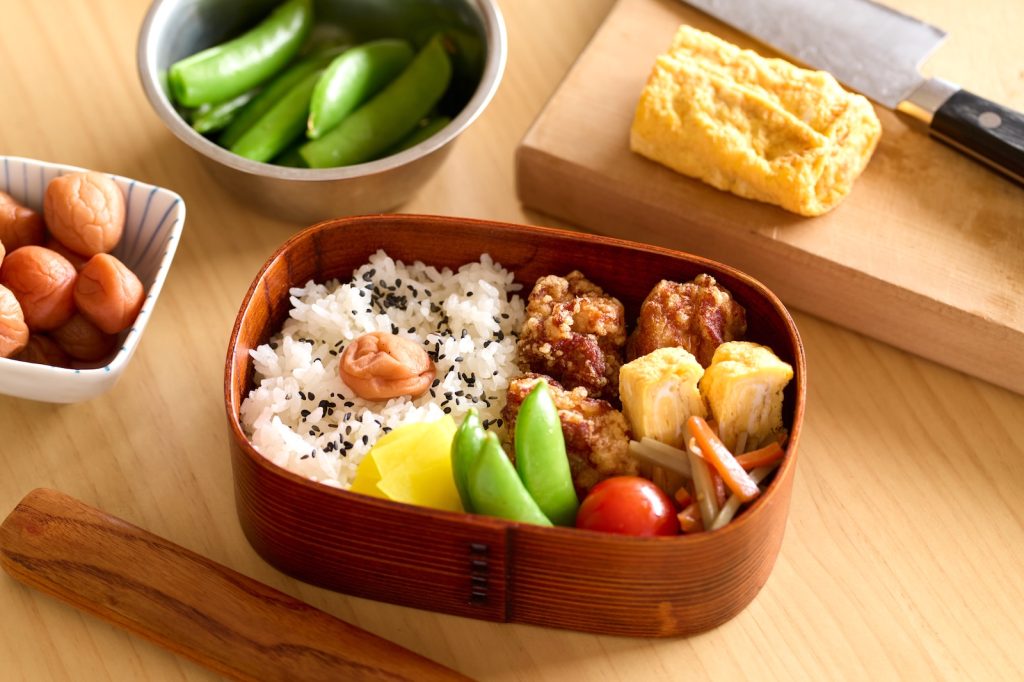
non-plastic-bowls_shige-hattori-pixta_137918259_m.jpeg

Using non-plastic bento boxes and containers is one way to reduce plastic exposure when preparing or carrying meals. Image: Shigo Hattori / Pixta

  • Replace your kitchen utensils with plastic-free versions. When it comes time to buy new kitchen utensils like a spatula, stirring spoon or ladle, opt for those made of wood, silicone or stainless steel.
  • Choose wooden cutting boards or other non-plastic options. Cutting into a plastic cutting board can create small plastic particles that may enter your food. Avoid this by choosing non-plastic cutting boards made of wood or glass.
  • Avoid plastic food storage containers. To minimize plastic exposure, consider using glass or stainless steel storage containers and bento boxes.
  • Avoid heating food in plastic containers when possible. When food is heated in plastic, chemicals like bisphenols, PFAS and phthalates can leach into the food. Transfer takeout or other food to a non-plastic plate or dish before warming.
  • Upgrade to non-plastic cups and bottles. Replace plastic beverage cups or water bottles with glass or other non-plastic versions. For baby bottles, many leading Japanese baby bottle brands now make glass versions.
  • Avoid plastic utensils for children: Many popular eating utensils for kids like mini spoons, forks or chopsticks are made of plastic. Opt for metal or bamboo options to reduce plastic exposure.

Tips for avoiding plastic when eating out and purchasing food

p-astic-at-supermarket_winhorse-istock-2220407492.jpeg

Plastic packaging remains widespread in Japanese markets, making it difficult to avoid when purchasing fresh food. Image: Winhorse / Pixta

  • Avoid heating your bento in its plastic container when possible. If possible, take your bento home or to your workplace, transfer it to a non-plastic plate or bowl, then heat it in the microwave.
  • Decline extra plastic packaging, straws or utensils. A simple, “Kekko desu” (“No, thank you”) lets the cashier know that you don’t want any extra plastic packaging or utensils.
  • Avoid using single-use plastic to bag up your fruit and vegetables. I sometimes get an odd look from the grocery store cashier when I bring my fruit to the checkout and it isn’t in a plastic bag. Yet if I’m removing the peel before eating it anyway, I don’t see a need to cover my produce in a layer of plastic that is unlikely to be recycled.
  • Skip hot drinks from the vending machine if the bottle is plastic. While we should aim to minimize buying any drink housed in a plastic bottle, I understand that there are times when it is unavoidable. Therefore, I’ve made it a personal priority to avoid hot drinks due to the chemical transfer that occurs in heated plastic.

Armed with these insider tips and tricks, I hope you find that minimizing your plastic exposure is easier than you thought. Feel free to share your own plastic reduction tips in the comments and thanks for another great “Ask the Dietitian” question!

Victoria Lindsay, MS, RD, is an adjunct faculty member at Lakeland University Japan and a registered dietitian working at Tokyo Medical & Surgical Clinic and her Tokyo-based private practice. To get in touch, please visit www.victorialindsayrd.com or follow her on Instagram at @dietitianintokyo.

© Japan Today


Source link

Related Posts

9 Japanese Divers Rescued After Being Lost At Sea

April 19, 2026

The Second Trump Administration and the Indo-Pacific: A Japanese Perspective

April 19, 2026

Australia and Japan sign contracts for $7bn warships deal | Military News

April 19, 2026
Add A Comment
Leave A Reply Cancel Reply

Top Posts

Abandoned malls, whispers of nuclear war and young foreigners detained. This is what’s REALLY going on in Dubai… and the chilling warning one taxi driver gave to the Mail’s IAN BIRRELL

April 11, 2026

US trade chief says tech restrictions to block Chinese autos

April 10, 2026

Leather MIG Welding Gloves – Heat Fire Resistant for Welding/Grilling/BBQ(Black/Brown/Blue)

April 9, 2026
Don't Miss

Welcome to Chongqing, the most cyberpunk city in the world, that takes you to the future in the blink of an eye.

By IslaApril 19, 2026

Published on 19/04/2026 at 14:40 Chongqing mixes neon, vertical architecture, monorails between buildings, and robotics…

AI shaping our health care decisions, even whether we go to the doctor

April 19, 2026

Soon, ‘Civil Lines’ may be relegated to history | India News

April 19, 2026

Gao Zhen: China sculptor's secret trial highlights censorship extremes – BBC

April 19, 2026
SUBSCRIBE TO OUR NEWSLETTER

Get our latest downloads and information first. Complete the form below to subscribe to our weekly newsletter.


I consent to being contacted via telephone and/or email and I consent to my data being stored in accordance with European GDPR regulations and agree to the terms of use and privacy policy.

Stay In Touch
  • Facebook
  • YouTube
  • TikTok
  • WhatsApp
  • Twitter
  • Instagram
Top Trending

ACN Newswire – Not Found

By IslaApril 19, 2026

Indonesia to halt diesel imports from July 1

By IslaApril 19, 2026

Ask the Tokyo Dietitian: How to avoid plastic in food in Japan

By IslaApril 19, 2026
Most Popular

Daniel Kinahan arrested in Dubai over serious organised crime – BBC

April 17, 2026

Japan Smaller Capitalization Fund, Inc. Announces Board

April 17, 2026

The Latest Converse Shai 001 is Coated in Premium Navy Leather

April 19, 2026
Our Picks

ACN Newswire – Not Found

April 19, 2026

Singapore: Everest Medicines to acquire Hasten Biopharmaceuticals (SG) for US$250m

April 15, 2026

WHISKAS Unveils 10 Metre Tall Lucky Cat in Bangkok to Champion Feline Nutrition

April 10, 2026
SUBSCRIBE TO OUR NEWSLETTER

Get our latest downloads and information first. Complete the form below to subscribe to our weekly newsletter.


I consent to being contacted via telephone and/or email and I consent to my data being stored in accordance with European GDPR regulations and agree to the terms of use and privacy policy.

© 2026 Simply Invest Asia.
  • Get In Touch
  • Cookie Policy
  • Privacy policy
  • Terms & Conditions

Type above and press Enter to search. Press Esc to cancel.

SUBSCRIBE TO OUR NEWSLETTER

Get our latest downloads and information first.

Complete the form below to subscribe to our weekly newsletter.


I consent to being contacted via telephone and/or email and I consent to my data being stored in accordance with European GDPR regulations and agree to the terms of use and privacy policy.