
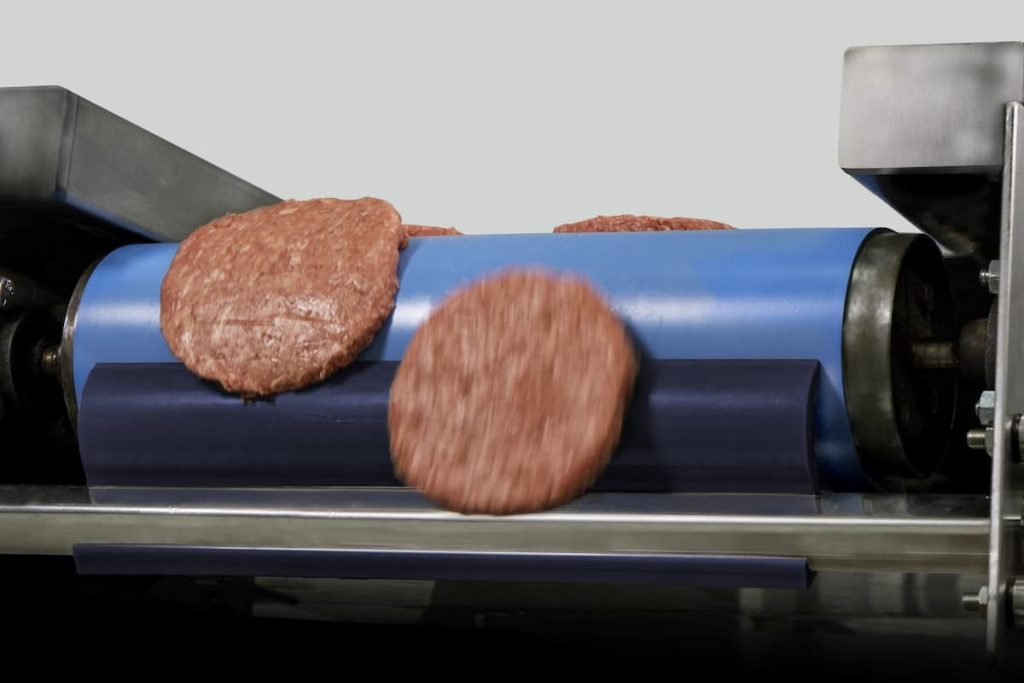
Flexco is helping food manufacturers shift from managing waste to eliminating it through its Waste Walk program.
In food processing, issues revolving around waste are often accepted as part of doing business.
“Waste-related challenges are prevalent across many sites and are often managed as an ongoing operational norm,” said Territory sales manager at Flexco Australia Aaron Alzoubi.
Product falls from conveyors, residue builds up on belts, and cleaning crews work around the clock to keep operations running. For many manufacturers, especially in meat industries, the issue is not that waste exists, but that it has become normalised. What is less understood is the cumulative cost of that acceptance.
“Many businesses are effectively managing or ‘absorbing’ waste without recognising that viable solutions may be available to reduce it,” added Alzoubi.
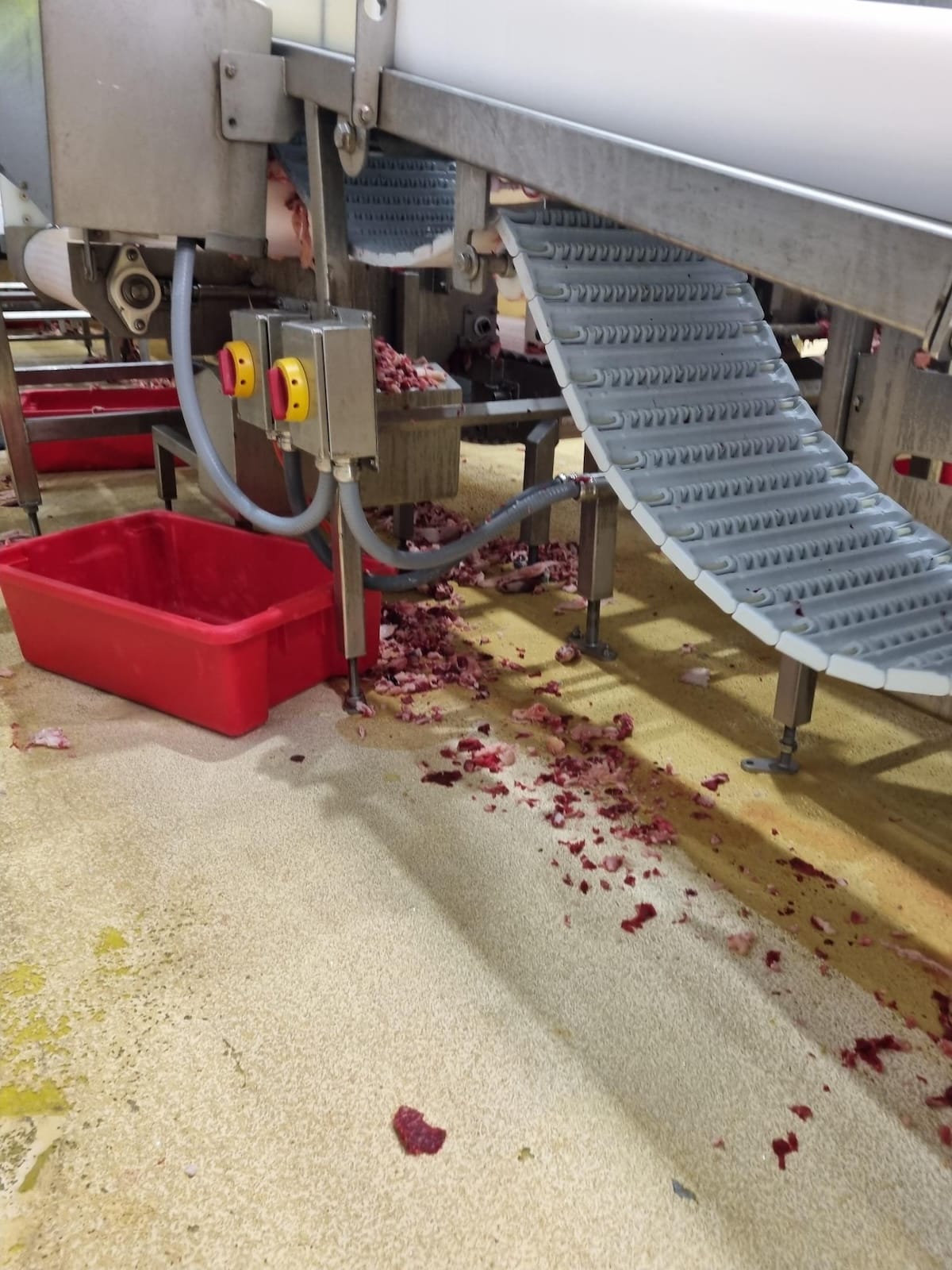
At the centre of the issue is what the industry refers to as carryback. This happens when the product does not transfer cleanly from one conveyor to another. Instead, it adheres to the belt, travels back along the return side and eventually falls to the floor. In meat processing, this can include fat, trim or smaller fragments that fail to move through the system as intended.
In a typical facility, multiple conveyors operate in sequence. Product enters in larger cuts and moves through various stages until it reaches its final form. At each transfer point, there is potential for product loss.
Wasting more than the product
Alzoubi has spent more than a decade working with food processors to identify inefficiencies in conveyor systems. His focus is not just on equipment performance, but on the broader impact of waste across production lines. According to him, it is not just product waste that the company is dealing with.
“In addition to product loss, businesses must also account for maintenance, cleaning requirements, operational downtime, and associated costs said Alzoubi.
Over time, these small losses accumulate, causing operational inefficiencies. What makes the problem more complex is that many sites are aware of the symptoms but not the scale. Waste is visible on the floor. Cleaning routines are in place. Maintenance teams are engaged. However, the financial impact is rarely calculated in full.
“While manufacturers may have visibility of product loss on a per-shift basis, the true financial impact is often not fully quantified,” he added.
Waste on the floor introduces safety risks, increasing the likelihood of slips and workplace incidents. It also raises hygiene concerns, particularly in meat processing where contamination must be controlled. The need for frequent cleaning can disrupt workflows and place additional pressure on staff.
With additional challenges and ancillary tasks born through inefficiencies caused by product waste, food processors find themselves struggling to increase uptime, productivity, safety and competitiveness in the market.
Waste Walk
Founded in 1907, Flexco is a manufacturer of conveyor belt components working across industries from mining, logistics to food processing.
Conveyor systems in food manufacturing environments must move product efficiently while maintaining strict hygiene standards, yet they are where waste issues become apparent.
“That’s where Flexco comes in through the Waste Walk program,” said Alzoubi.
The waste walk is a visual sweep of the plant that can identify areas of product waste. The program is built on a simple premise. If waste can be seen, it can be measured and reduced. The reduction of waste can unlock both operational and financial gains, opening room for growth and optimisation in other areas.
“A Flexco expert will identify cause of product loss, trace the root cause of the problem, and suggest solutions to optimise your existing conveyors,” added Alzoubi.
The process involves physically walking the production line from start to finish. Each conveyor is observed, and areas of loss are identified in real time. The assessment tracks where product is being lost, where it accumulates and how it is managed. This includes identifying carryback points, spillage zones and areas where belts are not performing as intended.
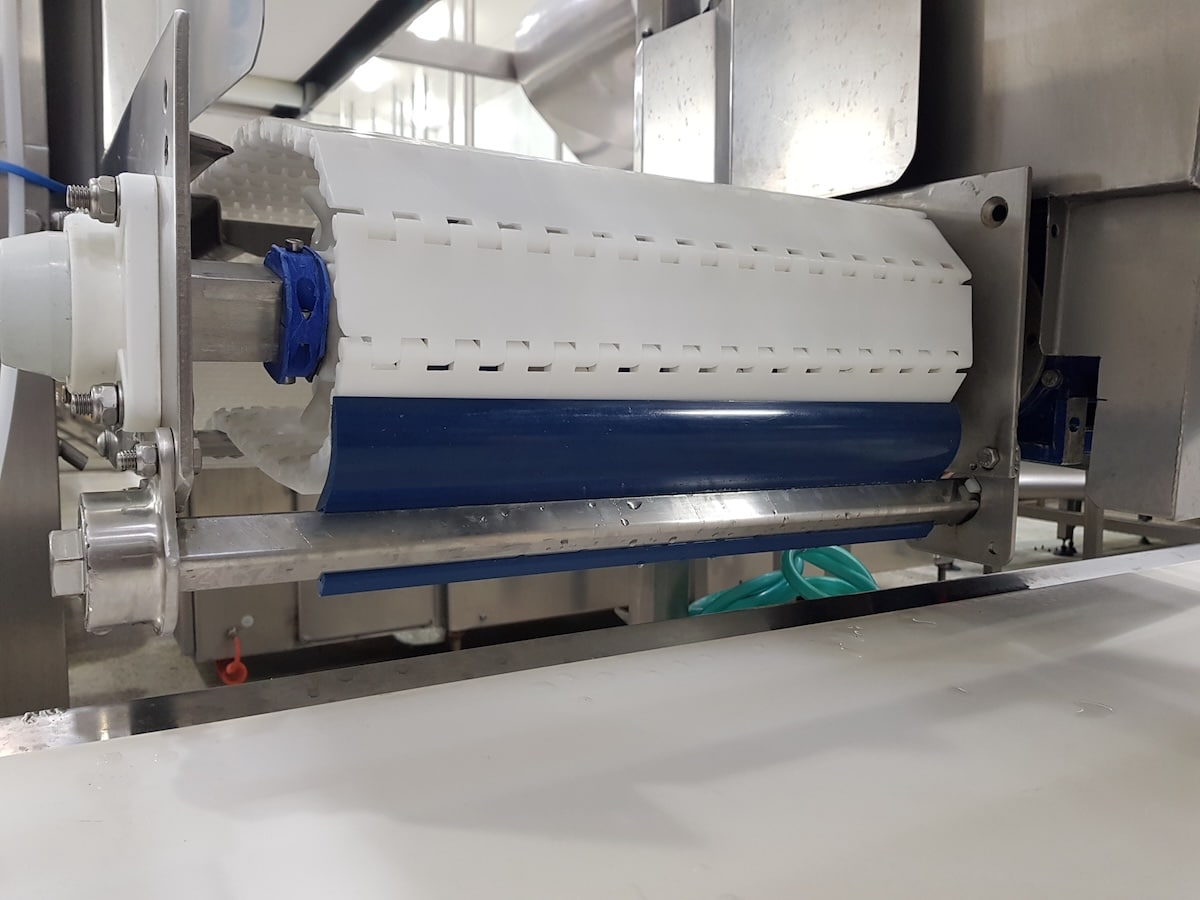
In many cases, a solution would include engineered belt cleaning systems. These cleaners are installed at specific points on the conveyor, using controlled tension to remove material from the belt before it can travel back and fall to the floor.
Flexco works with site teams to quantify losses using a calculator that captures several key variables. These include the volume of product lost per shift, the time spent on cleaning and maintenance, and the resources required to manage the waste, such as water and cleaning materials.
While most facilities understand their daily losses, few have translated this into a broader financial picture. By aggregating these inputs, the program provides a clearer view of how much waste is costing over time, often extending projections across one to five years.
“Our aim is to increase yield by ensuring the product is actually getting to the finish line,” he said.
Prevention at the source
For manufacturers who are managing waste, Alzoubi encourages a different approach.
“Rather than continuing to manage waste, the focus should shift toward identifying and implementing effective solutions,” he said.
According to Alzoubi, the program is the start of a collaborative process, not a transactional one.
In doing so, awareness around product waste can boost urgency to shift the mindset from managing waste to eliminating it.
For an industry operating on tight margins and increasing pressures, small gains can be substantial. Flexco’s Waste Walk program can help manufacturers move from managing inefficiency to eliminating it.
“With nearly 120 years of industry experience, we bring a depth of expertise supported by product managers and engineers who develop tailored solutions, rather than relying on standard, off-the-shelf approaches,” said Alzoubi.
“Our focus is on delivering practical, effective solutions that address each site’s specific challenges.”