
How foodpro 2026 addresses the real problems defining Australian food manufacturing right now.
There is no shortage of challenges facing Australian food manufacturers in 2026. There is, however, a shortage of genuine opportunities to address them in one place, with the full breadth of the industry’s supplier base present and engaged.
foodpro returns to the Melbourne Convention & Exhibition Centre from 26–29 July as the only processing and packaging trade event on the Australian calendar this year. For manufacturers navigating investment decisions, operational pressures, and an accelerating technology landscape, the timing couldn’t be more relevant.
foodpro delivers that with more than 400 exhibitors across processing equipment, packaging, digital manufacturing, factory infrastructure, ingredients and sustainability, concentrated into four days.
For those with capital expenditure decisions on the horizon, or supplier relationships due for review, the case for attendance is straightforward. The access that foodpro provides in four days would take months to replicate through individual supplier meetings.
Equipment decisions that require more than a brochure
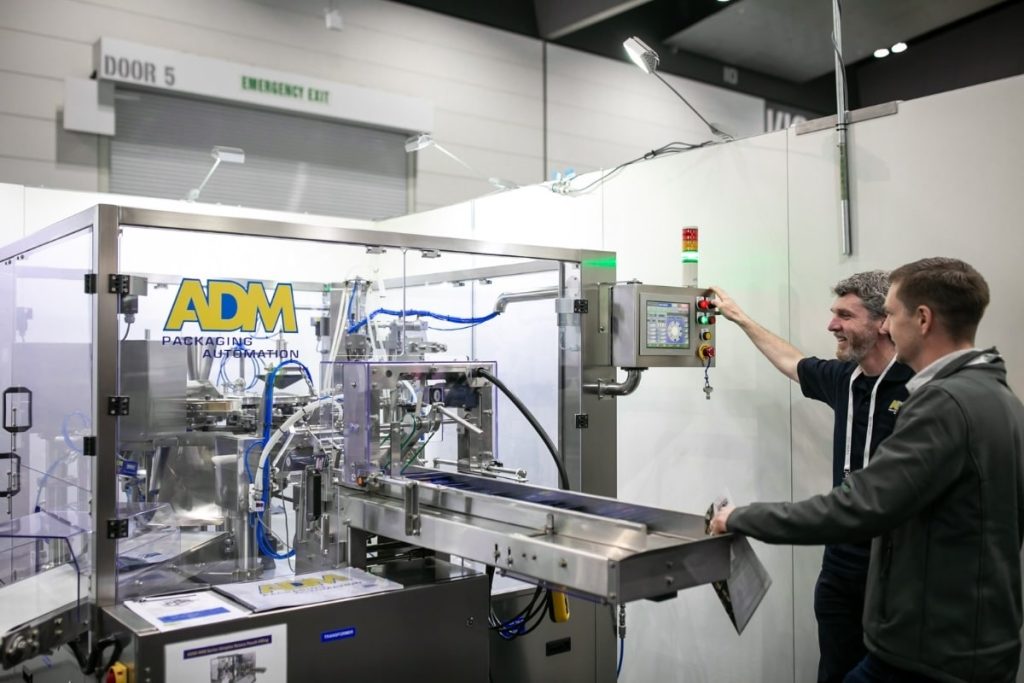
For production and plant managers, the fundamental value proposition of foodpro has remained consistent across its 50-year history: equipment can be evaluated under realistic operating conditions, with engineers available to discuss specifications, integration requirements and total cost of ownership.
That matters when a purchasing decision carries an extended procurement lead time and a large capital commitment. The Demonstration Exchange at foodpro, extends this further, with processing equipment operating live.
The production challenges occupying Australian manufacturers are ageing infrastructure, unplanned downtime, the pressure to automate against constrained capital budgets and they are sector wide. foodpro brings together the people navigating those challenges, and the suppliers who have helped solve them at comparable scale.
Automation and digital transformation: from roadmap to reality
Labour market conditions, the drive for operational consistency, and the competitive pressure to extract more from existing infrastructure have made the case for automation a matter of when, not if.
What remains difficult is implementation; integrating modern automation platforms with legacy equipment, building the business case for leadership, and finding technology partners who understand food-grade operational requirements.
foodpro’s Intelligent & Digital Factories segment addresses this directly. AI-driven quality inspection, IoT sensor networks, predictive maintenance platforms and Industry 4.0 solutions are presented in the context of food manufacturing.
The Innovation Stage program supports this with presentations from technology leaders on digital transformation in practice – including case studies from manufacturers who have moved beyond pilot programs to measurable operational impact.
Sustainability: commercial reality, not just compliance
Retailer sustainability requirements have moved from aspiration to specification. Recyclable packaging, emissions reporting, waste reduction targets – these are now commercial prerequisites rather than brand positioning choices, and manufacturers are under genuine pressure to meet them without compromising line performance or exceeding capital budgets.
The AIP’s partnership with foodpro brings a practical response to this with structured training, regulatory guidance and access to the teams behind 2026’s PIDA Award-winning packaging designs. The Sustainability segment covers circular packaging economics, energy-efficient refrigeration and compressed air systems, and waste-to-value technologies – with an emphasis on solutions that have demonstrated outcomes in comparable manufacturing environments.
For packaging and sustainability managers who need to balance environmental targets against operational and commercial constraints, this is a more useful environment than most.
Network with the food and beverage manufacturing industry
The Industry Connect Evening on Sunday 26 July – held at Melbourne Public next to the MCEC – opens the event week in an informal setting. For experienced trade event attendees, the value is familiar: conversations that begin here tend to be more candid, and the groundwork laid on opening night shapes the quality of engagement across the days that follow.
A concentrated window for decisions that matter
The pressures bearing down on Australian food manufacturing in 2026 are well documented. What is less certain is how individual businesses respond, which investments get made, which supplier relationships get established, which technologies get evaluated and adopted.
foodpro 2026 provides a concentrated environment in which those determinations can be made with confidence.
Visitor registration is free. The event runs 26–29 July at the Melbourne Convention & Exhibition Centre.
Register at foodpro.com.au