
Close Menu
Simply Invest Asia
  • Home
  • About us
  • Explore industries/sectors
    • Automobile
    • Aviation
    • Banking
    • Biotechnology
    • Chemical & Fertilizer
    • Entertainment and Media
    • Food Processing
    • Healthcare
    • Iron and Steel
    • Leather
    • Mining
    • Oil and Gas
    • Pharmaceutical
  • Explore by countries
    • China
    • Dubai / UAE
    • Hong Kong
    • India
    • Indonesia
    • Japan
    • Malaysia
  • Explore cities
    • Bangkok
    • Beijing
    • Chongqing
    • Delhi
    • Dubai
    • Guangzhou
    • Jakarta
    • Kuala Lumpur
  • Why Asia
Facebook X (Twitter) Instagram Threads
Trending:
  • China has accused Japan of ‘reckless militarism’. What’s behind the latest tensions? | China
  • Editorial | Prospects for Hong Kong are looking up, 29 years after the handover
  • Banned by Beijing, this comedian is taking his act to Chinese speakers abroad – BBC
  • Sheikh Hamdan approves Dh18bn worth of projects to ‘shape Dubai’s future’
  • The Japanese Yen dares Tokyo to defend a line it won’t name
  • Metro buyers make up 75% of India home loan cover sales
  • Bangkok Post – Can the Manchester Model save United Kingdom?
  • Private Banking AI Trust Protect Wealth Unstable World
  • Canada and genetically modified crops: Innovation, adoption, and the public divide
  • Joint Development, Shared Human Rights: Chongqing’s Human Rights Practices Through the Forum on Global Human Rights Governance | Let’s Meet
  • Baywalk Mall Jakarta Hosts Emoji Brand “Sea You Holiday” Event
  • Continuum hires Howden’s Andy Tam as Hong Kong general manager
  • Pax Silica and the UAE-US Partnerships Turning AI Ambition into Reality
  • Chandigarh artist’s indigenous harmonies in Delhi
  • Nike Air Force 1 Patent Beef And Broccoli IX4088-352
  • UNFPA Indonesia Champion Ayu Saraswati visits UN headquarters – United Nations Population Fund
  • Bangladesh Sends Signal With Rahman’s China Visit
  • Cooking oil products recalled after carcinogen found above legal limit
Wednesday, July 1
Facebook X (Twitter) Instagram
Simply Invest Asia
  • Home
  • About us
  • Explore industries/sectors
    • Automobile
    • Aviation
    • Banking
    • Biotechnology
    • Chemical & Fertilizer
    • Entertainment and Media
    • Food Processing
    • Healthcare
    • Iron and Steel
    • Leather
    • Mining
    • Oil and Gas
    • Pharmaceutical
  • Explore by countries
    • China
    • Dubai / UAE
    • Hong Kong
    • India
    • Indonesia
    • Japan
    • Malaysia
  • Explore cities
    • Bangkok
    • Beijing
    • Chongqing
    • Delhi
    • Dubai
    • Guangzhou
    • Jakarta
    • Kuala Lumpur
  • Why Asia
Simply Invest Asia
Home»Explore industries/sectors»Biotechnology»Canada and genetically modified crops: Innovation, adoption, and the public divide
Biotechnology

Canada and genetically modified crops: Innovation, adoption, and the public divide

By IslaJuly 1, 20264 Mins Read
Share
Facebook Twitter Pinterest Threads Bluesky Copy Link


Genetically modified (GM) crops and newer gene-edited varieties are reshaping agriculture globally and Canada stands among the most progressive adopters. With decades of experience in agricultural biotechnology and a regulatory framework that has recently evolved to accommodate gene editing, Canada provides a useful lens through which to assess both the promise and controversy of GM technologies.

Canada’s biotechnology sector is increasingly defined by next-generation gene-editing technologies, especially CRISPR-Cas9 (clustered regularly interspaced short palindromic repeats). Unlike traditional GM methods that introduce foreign DNA, gene editing enables precise modification of existing genes, often resulting in plants that are indistinguishable from conventionally bred varieties.

READ MORE: Is CRISPR technology set to change biological science?

One notable breakthrough occurred in 2025, when researchers at McGill University successfully applied CRISPR to oats, a crop with a complex genome previously resistant to gene editing. The work enables targeted changes to traits such as flowering time, yield, and nutritional content, offering a pathway to crops better adapted to climate variability.

More broadly, gene editing is becoming central to plant breeding in Canada, allowing faster and more precise development of traits such as drought resistance, disease tolerance, and improved nutritional quality.

At the commercial end, innovation is moving beyond commodity crops. There are early-stage developments in gene-edited fruits and vegetables (e.g. salad greens, strawberries), modified oils such as omega‑3 enriched canola, and non-browning apples and other ‘enhanced’ produce. While only a small number of GM whole foods are currently available in Canada, gene editing is expected to significantly expand this pipeline.

The scientific trajectory is therefore shifting from first-generation GM crops (input traits like herbicide tolerance) toward second-generation traits focused on climate resilience, nutritional enhancement, and reduced waste.

How farmers are using GM technology

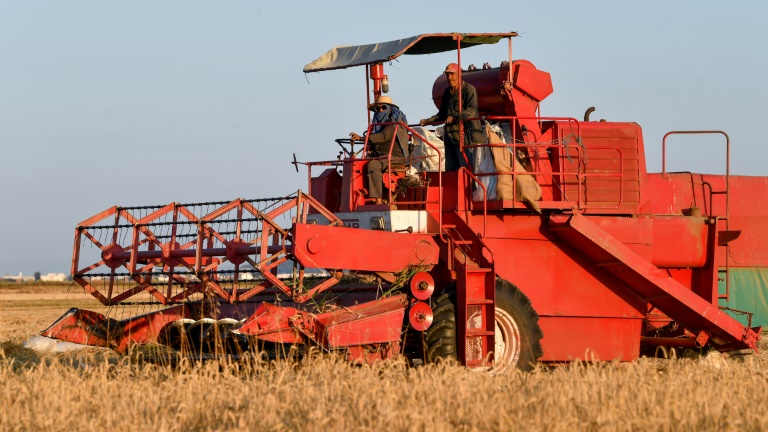
Canadian farmers have been using GM crops for nearly three decades. The main crops include:

  • Canola
  • Corn (maize)
  • Soybeans
  • Sugar beet
  • Alfalfa

Among these, canola is particularly significant: approximately 95% of Canadian canola is genetically engineered, mainly for herbicide tolerance. In practice, farmers use GM crops to improve productivity. In particular, herbicide-tolerant crops allow targeted weed control, improving yields and reducing labour costs.

GM crops have additionally helped farmers adopt no-till or reduced-till farming, reducing soil erosion and fuel use while improving soil health. Newer gene-edited crops are further designed to withstand drought, temperature extremes, and pest pressure. Reduced tillage and more targeted chemical use have lowered greenhouse gas emissions and resource consumption.

Regulatory framework

Canada has developed one of the more innovation-friendly regulatory systems for plant biotechnology. A defining feature is its trait-based approach. Rather than regulating crops based solely on how they are produced, Canadian authorities focus on whether the plant exhibits a “novel trait.”

This distinction became especially important with gene editing. Under updated guidance crops developed using gene editing without foreign DNA may be treated like conventionally bred crops. It also stands that only plants with novel traits posing potential risk require full regulatory assessment. Moreover, many gene-edited crops do not require pre-market approval or labelling.

Government policy statements emphasise that plant breeding innovations support food security, climate adaptation, and sustainability. The state has also adopted the policy that gene editing does not inherently pose greater risk than conventional breeding. In 2024, the Canadian Food Inspection Agency (CFIA) and Health Canada finalised a regulatory pathway confirming that gene-edited crops can be assessed in the same way as traditional varieties, provided they do not introduce novel risks. However, this has also drawn criticism, particularly around transparency and the absence of mandatory labelling.

Special considerations

Despite its advantages, GM technology raises several important considerations. The first is that while GM crops are extensively evaluated for safety, critics note potential unintended genetic effects and impacts on biodiversity. One practical concern is cross-contamination in relation to organic farming. Pollen flow and seed mixing can affect organic certification, particularly for crops like canola where genetic traits have spread widely.

A second area is that GM and gene-edited seeds are typically patented. Consequently, farmers may face restrictions on saving seed and increased dependence on seed companies.

Third comes public opinion, which in Canada, remains mixed and nuanced. There is generally high trust in the food safety system, but this does not necessarily translate into confidence in GM foods themselves. Around 52% of Canadians report uncertainty about consuming genetically engineered foods. The same survey finds that consumers tend to be more comfortable with plant-based GM foods and less comfortable with animal-based genetic modification.


Source link

Related Posts

Sana Biotechnology Announces Symposium Presentation at the

July 1, 2026

Powering India’s biologics future | Hindustan Times

July 1, 2026

4DMT Announces Presentation at 44th Annual Scientific

June 30, 2026
Add A Comment
Leave A Reply Cancel Reply

Top Posts

China Scraps 12,000 Degrees in Biggest Academic Overhaul in Years

June 14, 2026

Chinese Wall may stem India tech flows for electronics and automobile

June 1, 2026

Abandoned malls, whispers of nuclear war and young foreigners detained. This is what’s REALLY going on in Dubai… and the chilling warning one taxi driver gave to the Mail’s IAN BIRRELL

April 11, 2026
Don't Miss

China has accused Japan of ‘reckless militarism’. What’s behind the latest tensions? | China

By IslaJuly 1, 2026

Relations between Tokyo and Beijing have ebbed and flowed in the decades since the second…

Editorial | Prospects for Hong Kong are looking up, 29 years after the handover

July 1, 2026

Banned by Beijing, this comedian is taking his act to Chinese speakers abroad – BBC

July 1, 2026

Sheikh Hamdan approves Dh18bn worth of projects to ‘shape Dubai’s future’

July 1, 2026
SUBSCRIBE TO OUR NEWSLETTER

Get our latest downloads and information first. Complete the form below to subscribe to our weekly newsletter.


I consent to being contacted via telephone and/or email and I consent to my data being stored in accordance with European GDPR regulations and agree to the terms of use and privacy policy.

Stay In Touch
  • Facebook
  • YouTube
  • TikTok
  • WhatsApp
  • Twitter
  • Instagram
Top Trending

Pax Silica and the UAE-US Partnerships Turning AI Ambition into Reality

By IslaJuly 1, 2026

Chandigarh artist’s indigenous harmonies in Delhi

By IslaJuly 1, 2026

Nike Air Force 1 Patent Beef And Broccoli IX4088-352

By IslaJuly 1, 2026
Most Popular

Bike theft in the peloton

June 20, 2026

Senate approves measure to integrate food security, sustainability into educational curriculum

June 25, 2026

Quantum firms shun entanglement as Trump vows to outrun China

June 25, 2026
Our Picks

Japan and South Korea scramble fighters in response to Chinese-Russian bomber patrol

June 28, 2026

A Lifeline at Home: Midwifery clinics helping to transform maternal healthcare [EN/AR] – Yemen

May 7, 2026

Chongqing Afari tech Q1 net profit up 141.3% Y/Y

April 27, 2026
SUBSCRIBE TO OUR NEWSLETTER

Get our latest downloads and information first. Complete the form below to subscribe to our weekly newsletter.


I consent to being contacted via telephone and/or email and I consent to my data being stored in accordance with European GDPR regulations and agree to the terms of use and privacy policy.

© 2026 Simply Invest Asia.
  • Get In Touch
  • Cookie Policy
  • Privacy policy
  • Terms & Conditions

Type above and press Enter to search. Press Esc to cancel.

SUBSCRIBE TO OUR NEWSLETTER

Get our latest downloads and information first.

Complete the form below to subscribe to our weekly newsletter.


I consent to being contacted via telephone and/or email and I consent to my data being stored in accordance with European GDPR regulations and agree to the terms of use and privacy policy.