
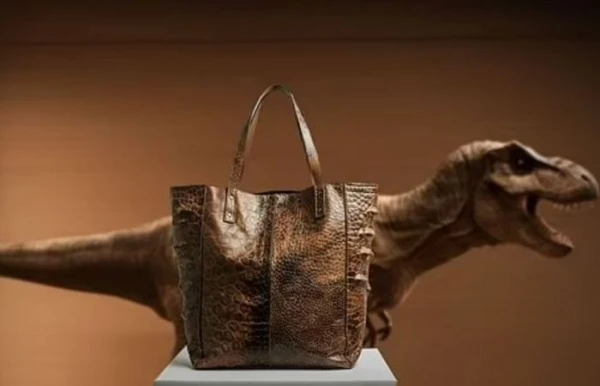
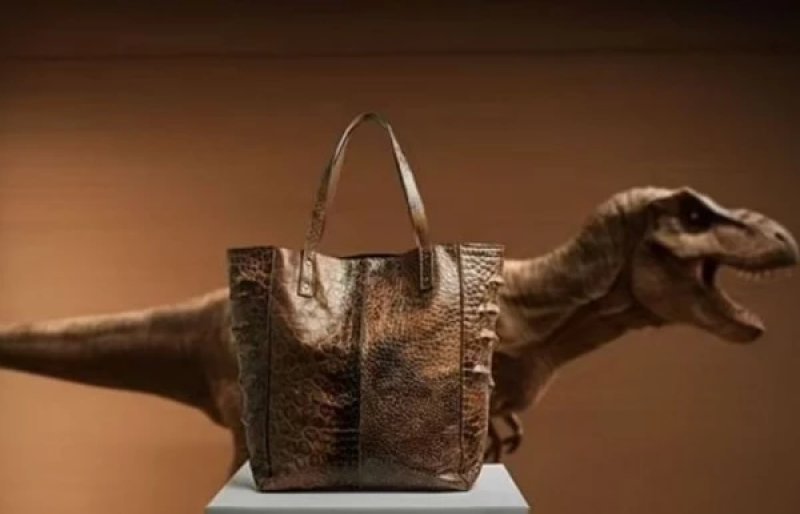
The development is being carried out by the British biotechnology company **BSF Enterprise**. As noted by Dmitry Gerasimov, the creative director of the VML agency, the technology is based on the study of preserved fragments of collagen from the ancient predator. Using computational biology and artificial intelligence algorithms, specialists reconstructed the missing parts of the genetic information, after which they integrated the obtained data into skin cells grown in the laboratory.
As a result, they were able to produce a material that, according to the developers, replicates the structure and strength characteristics of the skin of the prehistoric animal.
The project has already sparked lively discussions in the high fashion industry. For many years, products made from exotic leather have been considered a symbol of luxury; however, manufacturers are increasingly facing criticism from animal rights advocates and tightening environmental regulations. The lab-grown material, according to the idea’s authors, is capable of maintaining the feeling of exclusivity without using the hides of modern animals.
According to Gerasimov, this is not just an unusual design experiment, but a new approach that could change the perception of luxury items. He believes that science is offering luxury brands a material that has no analogs in modern nature.
The first commercial product will be an exclusive women’s bag made from bio-synthesized T-Rex leather with a silver buckle. The company has already announced that the accessory is set to be showcased at a prestigious auction in Paris.
Experts do not rule out that the price of this unusual lot could surpass that of the rarest crocodile leather models. The results of the auction will show whether collectors are willing to pay for luxury items created at the intersection of science, biotechnology, and fashion, or if “prehistoric luxury” will remain just a striking experiment.