
A few years ago, wellness in urban India meant a gym membership that often went unused.
Today, it means much more.
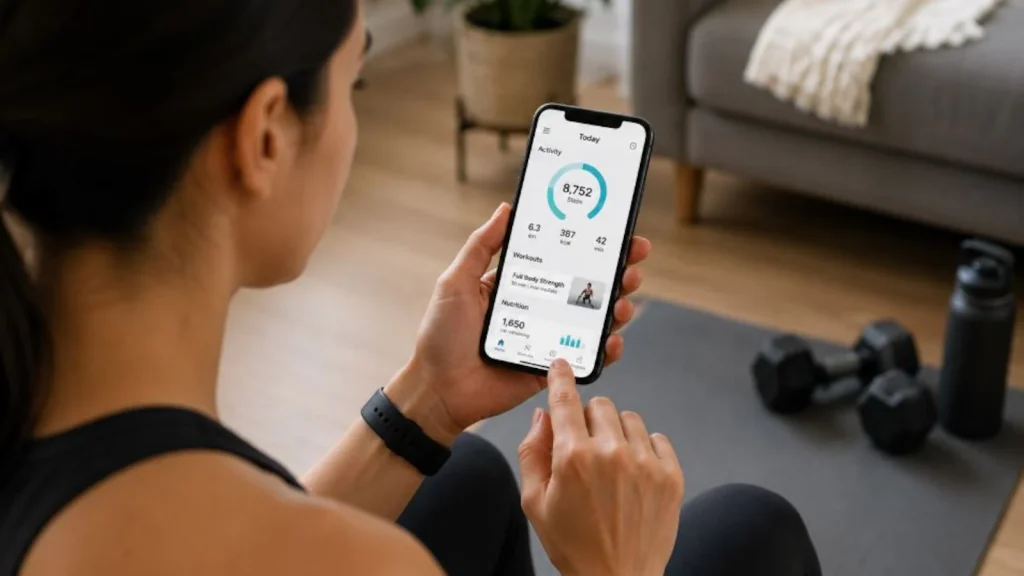
People are tracking sleep scores before breakfast. Counting protein grams at lunch. Wearing smartwatches that monitor every heartbeat. Paying for AI-powered fitness coaching. Discussing Ozempic and semaglutide over coffee. And increasingly, swapping traditional cooking oils for olive oil in the kitchen.
What was once a niche lifestyle trend is rapidly becoming a massive consumer economy.
Experts estimate India’s wellness market could cross $170 billion by 2026-end, powered by a generation that is spending less on treating illness and more on preventing it.
Advertisement – Scroll to continue
“Urban India’s wellness boom is about more than just weight loss or fitness,” says celebrity dietitian and nutrition consultant Simrat Kathuria. “People want to feel better every day, live longer, look sharper and have greater control over their health.”
This shift is changing how millions of urban Indians eat, exercise, shop and even define themselves.
From Treatment To Prevention
For decades, healthcare spending in India was largely reactive. People visited doctors when they fell sick.
Thankfully, that mindset is changing. According to Dr Sujit Paul of Zota Healthcare, consumers are increasingly directing their budgets toward preventive care rather than treatment. Diagnostics, nutrition, fitness memberships, wellness technology and healthier food choices are all benefiting from this trend. “Preventive healthcare is finally becoming aspirational rather than optional,” he says.
Echoing Dr Paul, public health analyst Dr Sameer Bhati said that the transformation is deeper than a simple rise in health spending. “What used to be considered discretionary spending is now a regular household expense,” he says. Health checks, fitness subscriptions, supplements and wearable devices are increasingly viewed as investments rather than costs.
The result is the emergence of a new consumer category — one that treats wellness as an everyday priority.
The Ozempic Effect
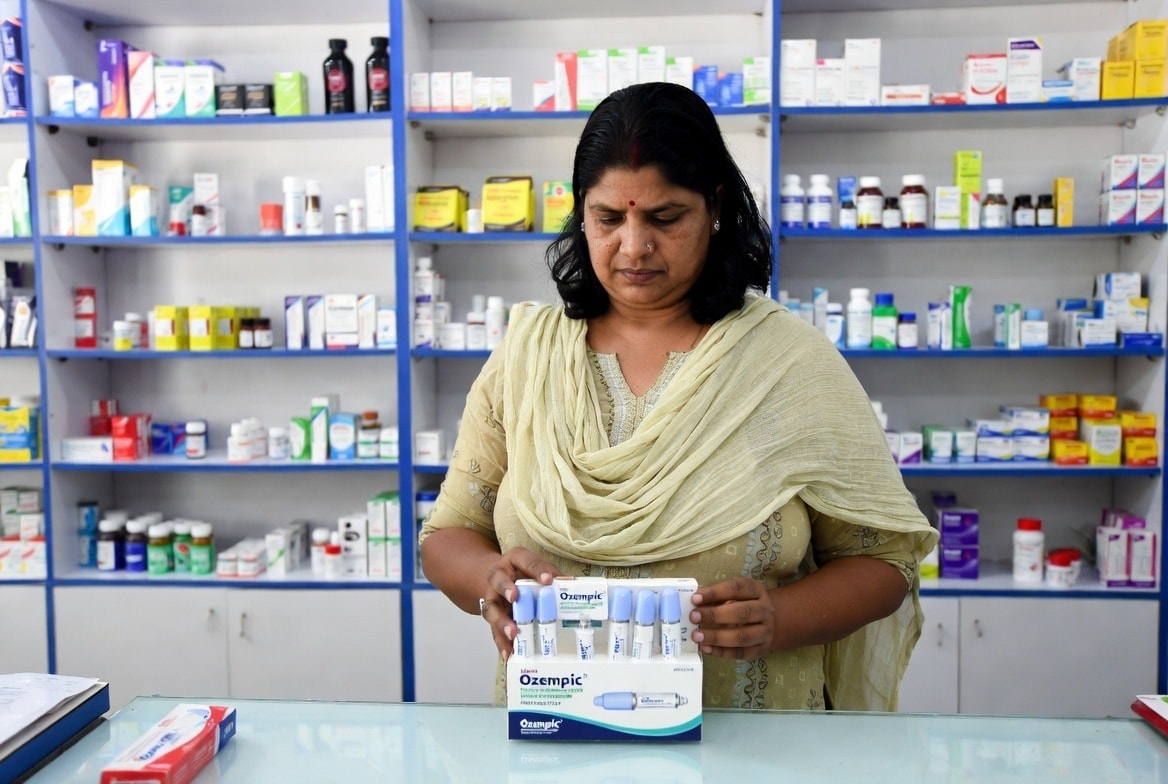
Nothing illustrates this shift better than the growing buzz around GLP-1 drugs such as semaglutide, the active ingredient behind blockbuster weight-loss treatments including Ozempic.
The excitement has intensified as generic versions are expected to become more accessible following patent expiries.
Dr Sujit Paul says 2026 is already being viewed by many observers as India’s potential “GLP-1 breakthrough year.”
Until recently, monthly treatment costs ranging between Rs 8,000 and Rs 15,000 limited access largely to affluent urban consumers. Lower-cost alternatives could dramatically expand adoption.
The demand is being driven by a worrying backdrop. Obesity, diabetes and metabolic disorders are rising across India, creating a large market for effective weight-management therapies.
But experts are unanimous on one point: these drugs are not magic solutions.
Kathuria says the growing popularity of semaglutide reflects a broader awareness around obesity and metabolic health. However, she warns that medications cannot replace sustainable habits.
“The long-term gains come from nutrition, physical activity, sleep quality, stress management and consistency,” she says.
Dr Bhati echoes that concern. He warns that many people are learning about these medicines from social media and influencers rather than healthcare professionals.
Without proper medical supervision, users can face risks including muscle loss, nutritional deficiencies, rebound weight gain and even pancreatitis, he says.
“These medicines belong within structured medical care, not as DIY wellness tools.”
The Rise Of ‘The Quantified Indian’
The modern urban consumer is not just trying to get healthier. They are trying to measure health.
Fitness trackers, calorie-counting apps, sleep monitors and recovery scores have become part of daily life. India’s fitness app market is expected to reach nearly $600 million by 2026, according to industry estimates cited by experts.
Consumers are increasingly willing to spend on premium subscriptions, wearable-linked ecosystems and AI-driven wellness platforms.
Kathuria says people today track steps, calories, sleep quality and workout performance more closely than ever before.
“Digital tools have made monitoring easier, but numbers alone do not equal health,” she says.
Dr Bhati describes this trend as the rise of the “quantified self.” Yet he also sees a problem.
Many consumers obsess over data while ignoring basic preventive screenings and professional medical advice. When health data is collected without proper interpretation, it can create confusion and anxiety instead of better outcomes.
Technology, experts say, should complement healthcare-not replace it.
Protein Is The New Health Currency
Alongside technology, nutrition has become a central pillar of India’s wellness story.
Walk into any supermarket and the shift is visible. Protein bars. Greek yogurt. Whey supplements. High-protein snacks. Clean-label foods.
Kathuria says one of the most encouraging developments is the growing focus on protein consumption and preventive nutrition.
Consumers are asking tougher questions about ingredients, food quality and long-term health outcomes. “This reflects a much deeper nutrition awareness,” she says.
Dr Sujit Paul believes nutrition is increasingly being viewed as a preventive healthcare tool rather than simply a matter of food preferences.
Dr Bhati agrees. He notes that India’s long-standing protein deficiency challenge is gradually improving as more consumers incorporate eggs, whey protein, Greek yogurt, quinoa and other nutrient-dense foods into their diets.
While adoption remains concentrated among higher-income urban households, the direction of travel is clear.
Nutrition literacy is becoming mainstream.
Why Olive Oil Is Winning
Perhaps the most telling sign of India’s wellness evolution is happening in the kitchen.
Consumers are no longer just scrutinising what they eat. They are paying closer attention to how food is prepared. That is driving growing interest in healthier cooking oils, particularly olive oil.
According to Akshay Modi, Managing Director of Modi Naturals Ltd, the shift represents a structural change in consumer behaviour rather than a passing trend.
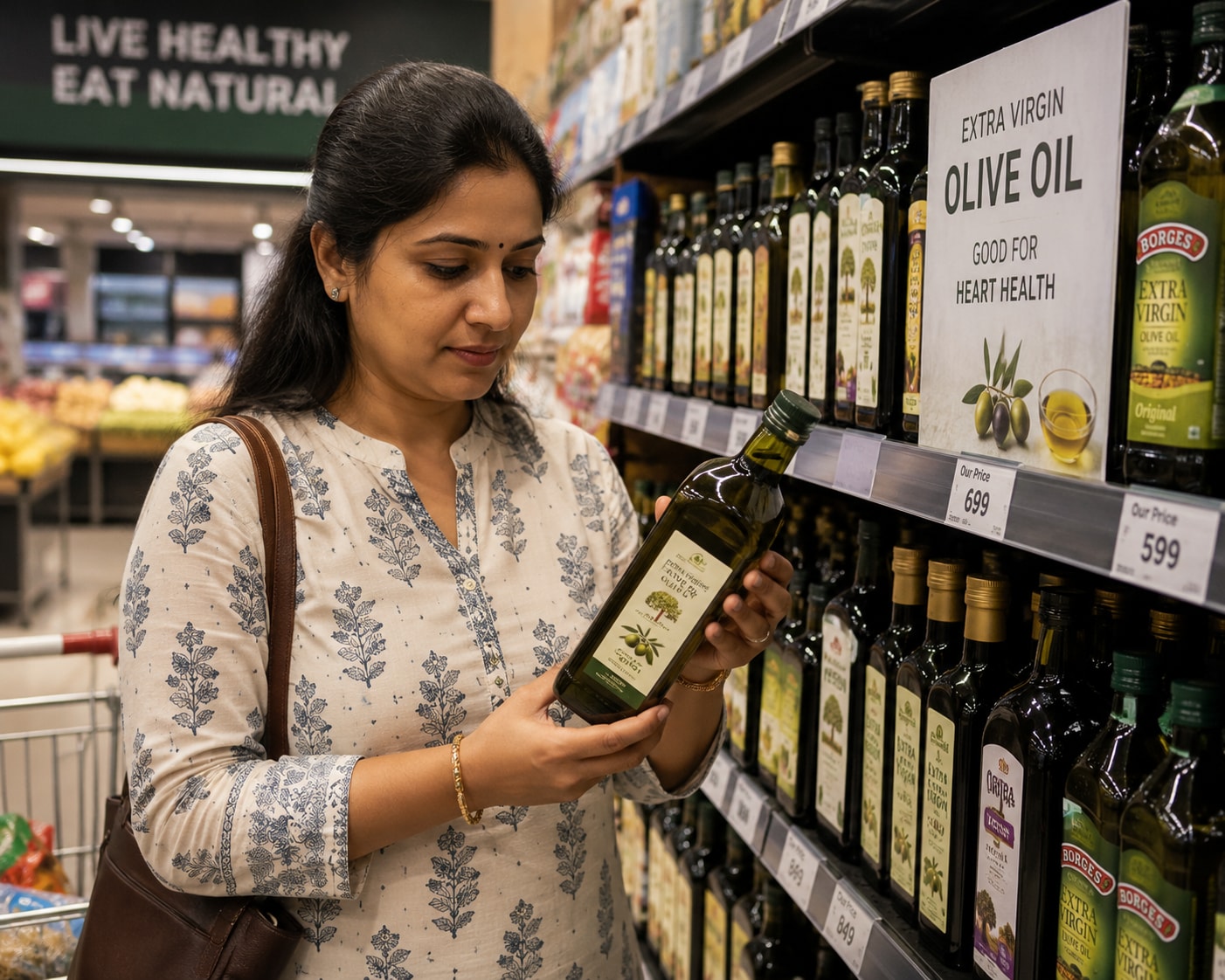
“The kitchen became one of the first places where the wellness transformation showed up,” he says. Modi argues that consumers increasingly recognise that cooking oil influences every meal they consume. “What you cook with matters as much as what you cook.”
Interestingly, first-time olive oil buyers are getting younger.
Millennials and Gen Z consumers are not waiting for a diagnosis before making healthier choices. Instead, they are proactively building healthier lifestyles, often beginning with everyday food decisions.
Modi says adoption is now spreading beyond major metros as well, suggesting that health-conscious cooking is gradually moving into the mainstream.
“Health-conscious cooking is no longer aspirational. It is becoming the new normal.”
A Wellness Boom-But With Different Views
Not everyone believes India’s wellness revolution is moving in the right direction.
Dr Ajayita, founder of Ajayveda Wellness Pvt Ltd, argues that much of the industry remains focused on managing symptoms rather than addressing root causes.
She points to the growing popularity of GLP-1 drugs, protein supplements and calorie-tracking tools as examples of a wellness ecosystem that can sometimes become reactive rather than restorative.
“India doesn’t need a Western wellness ecosystem with an Ayurvedic label,” she says. “It needs a genuine shift from managing symptoms to restoring function.”
Her view highlights a broader debate within India’s wellness industry: whether consumers are building sustainable health habits or simply purchasing the latest trend.
Wellness As Identity
Despite differing opinions, experts agree on one fundamental change.
Health is no longer just a goal. It is becoming part of personal identity.
The same consumer who tracks calories on an app is also comparing protein content on food labels, monitoring sleep quality through a wearable device and choosing olive oil for everyday cooking.
“What ties olive oil, fitness apps, protein diets and Ozempic together is that wellness has become a personal identity,” says Kathuria.
Dr Bhati sees the same pattern. Being healthy is no longer merely a behaviour, he says. It is increasingly becoming a way people define themselves.
That may be the biggest story behind India’s $170 billion wellness economy.
The products are different. The technologies are evolving. The trends will keep changing. But the underlying shift is far more significant.
Urban Indians are no longer waiting to get sick before thinking about health. They are building wellness into their daily routines, one meal, one workout, one app notification-and increasingly, one purchase-at a time.