


Published on
26/05/2026 at 22:53
Mercedes-Benz executive advocates electric car as the main field of innovation in the automotive industry, while gasoline is treated as mature technology, amid pressure for flexibility in European rules for 2035.
Gasoline appears as a technology over a century old at the center of a debate that places Mercedes-Benz between advocating for the electric car and European pressure for more flexible rules for 2035.
Gasoline loses ground in Mercedes-Benz’s technological discourse
Joerg Burzer, Head of Development and Procurement and Chief Technology Officer at Mercedes-Benz, stated in an interview with Golem, during an event at the Mercedes-Benz Museum in Stuttgart, that the electric car currently holds the greatest potential for evolution in the automotive industry.
The executive presented himself as a staunch advocate of electric mobility and treated this form of propulsion as superior on different fronts. For him, electrification has ceased to be just an alternative and has become the axis of the next stage of the sector.
See also
-
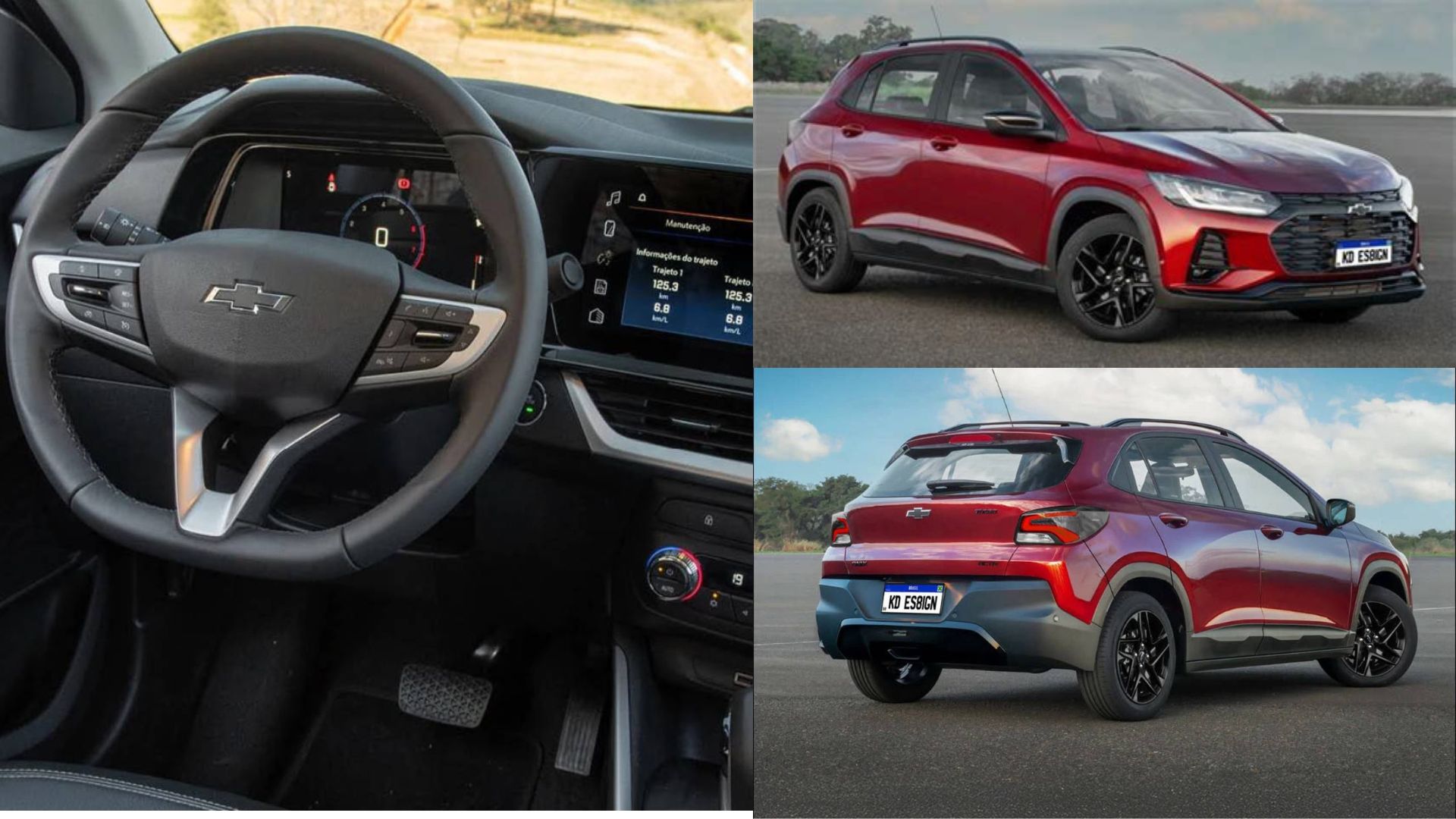
Chevrolet Onix Activ 2027 with a 1.0 turbo engine of 115 hp, fuel efficiency of up to 15.3 km/l, and 20.1 cm of ground clearance debuts for R$ 116,000 after 7 years, featuring an adventurous look and a 15-year warranty on the oil-bathed belt.
-
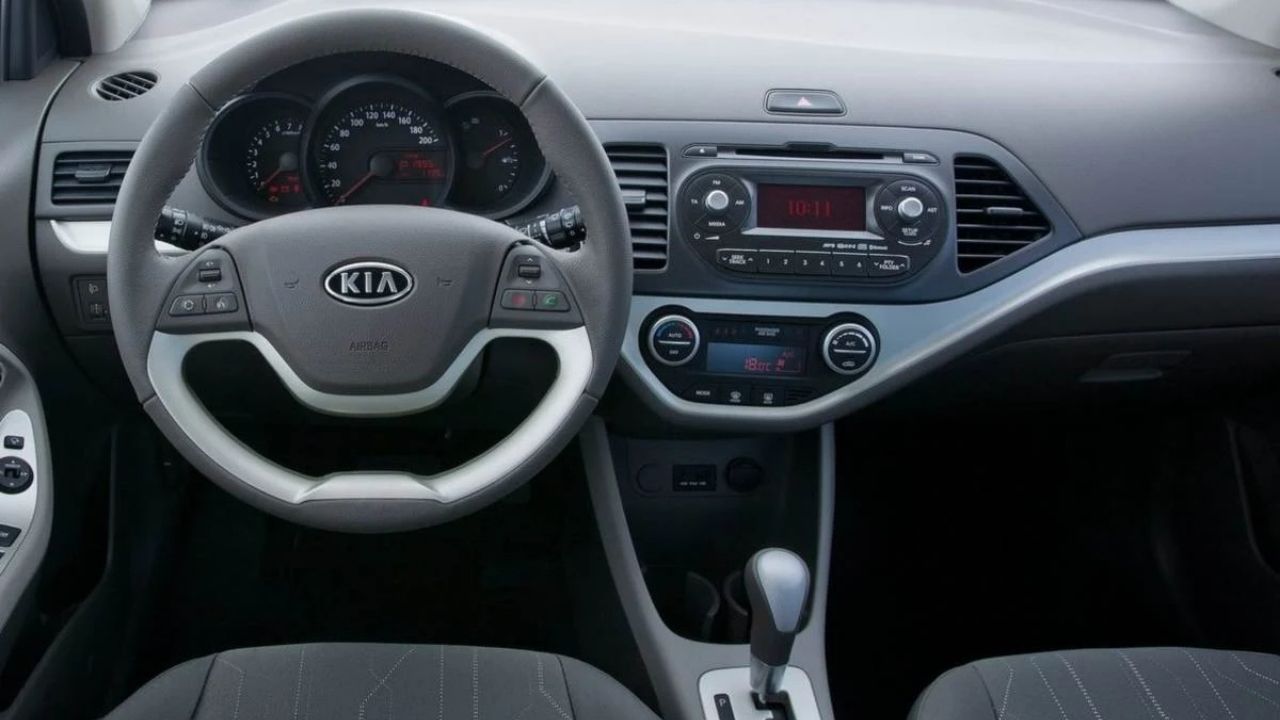
Small, automatic, and reliable car for around R$ 50,000: Kia Picanto combines economy, structural safety, good internal quality, and durable mechanics, but tests show that it makes sense mainly for urban use and not for those who frequently drive on highways.
-
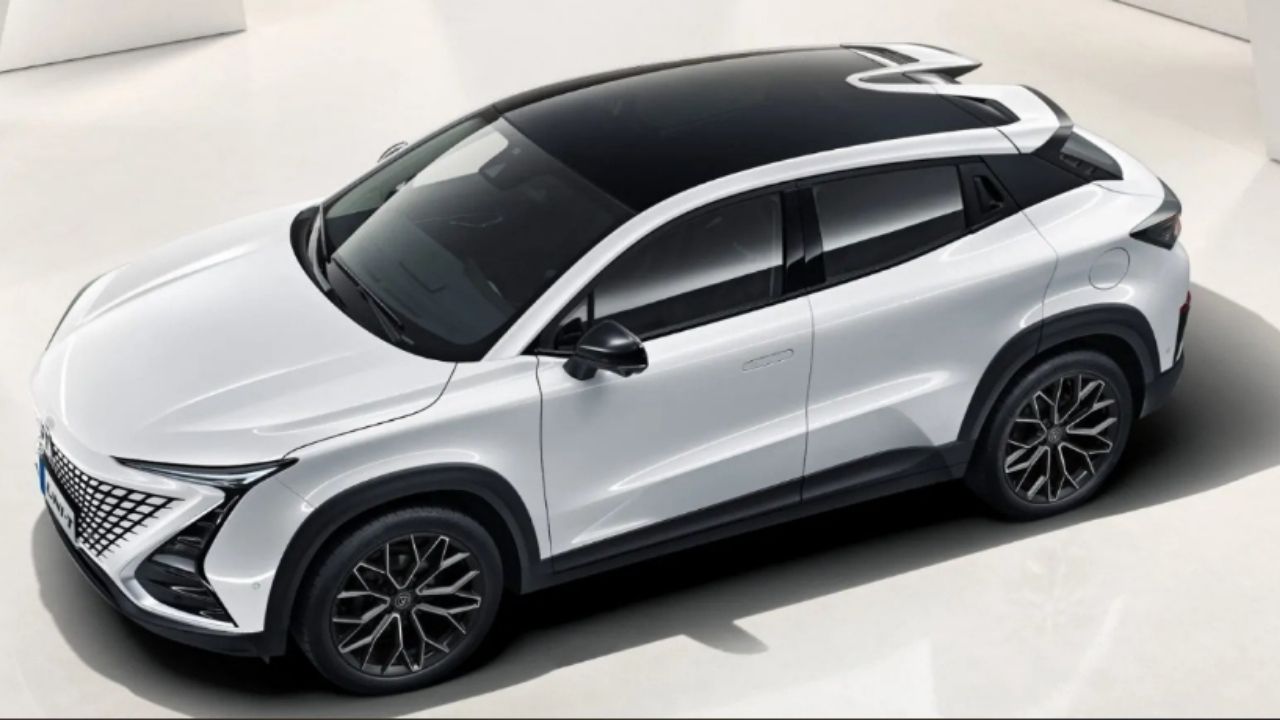
Chinese SUV arrives in Brazil for R$ 175,000 with a 1.5 turbo flex engine of 180 hp, 20-inch wheels, and 0 to 100 km/h in 7.7 seconds, but the new mechanical set becomes the big question.
-
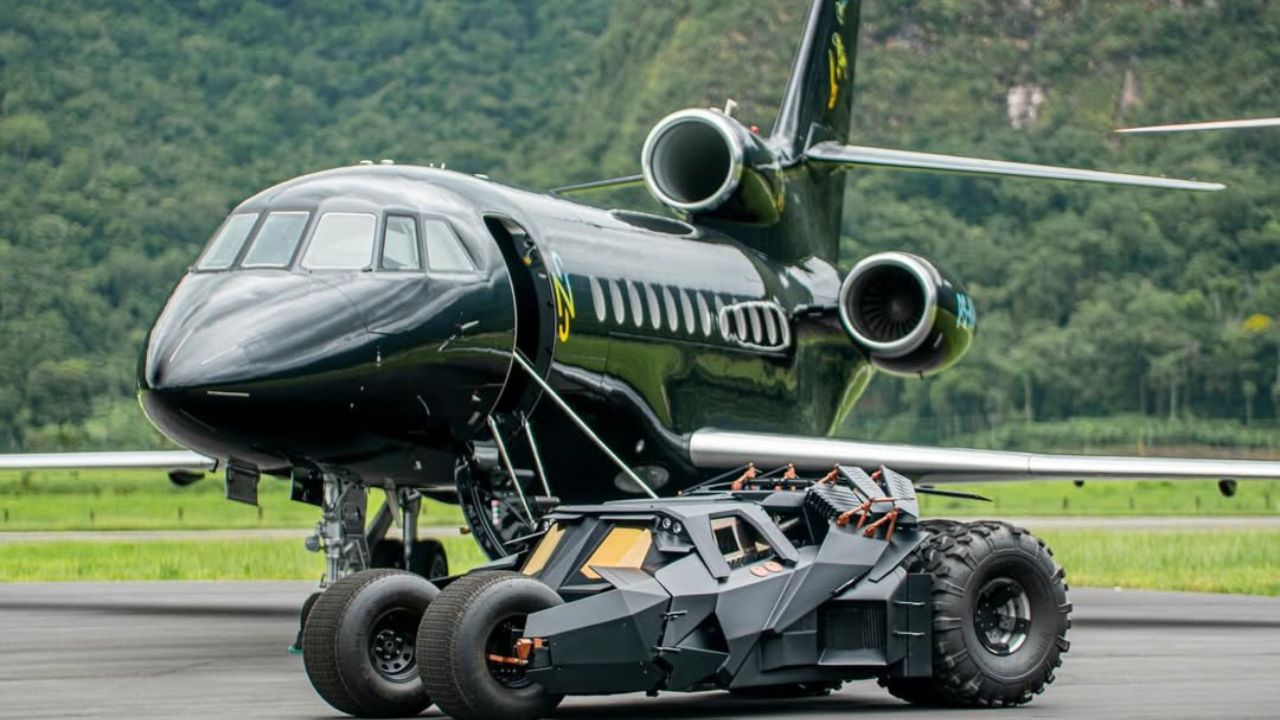
2026 World Cup: Luxury cars dominate the garages of Brazilian National Team players like Neymar, Casemiro, Alisson, and Wesley
When comparing technologies, Burzer was direct about gasoline. He noted that combustion engines belong to a technical base over a hundred years old, while the electric vehicle still has ample room for industrial innovation.
Batteries, cooling, and integration open new front
The defense of the electric car was supported by examples related to product development. Burzer cited the evolution of battery formats, cooling options, and integration between vehicle systems as areas with great potential for advancement.
Although he acknowledged that combustion engines continue to receive improvements, the director considered that this path does not offer a perspective comparable to electrification. Gasoline, in this context, remains useful but with less capacity to surprise technologically.
The vision presented also reinforces Mercedes-Benz’s strategy to position itself for a phase where the thermal engine loses centrality. The automaker, however, tries to balance electric innovation, real market demand, and commercial flexibility.
Europe discusses flexibility for 2035
Burzer’s statement comes amid the European debate on the 2035 roadmap for combustion engines. Reuters reported that German Chancellor Friedrich Merz sent a letter to the President of the European Commission, Ursula von der Leyen, asking for more flexibility in the transition.
Since the end of last year, Berlin has been seeking exceptions for plug-in hybrids and highly efficient thermal engines, while Brussels prepares a new regulatory package for the automotive sector. The discussion involves competitiveness, adoption pace, and technological transition.
In this environment, Mercedes-Benz, Volkswagen, and BMW have intensified lobbying efforts for transition technologies. Reuters noted that the adoption of electric cars is advancing more slowly than expected in parts of Europe, increasing pressure on the schedule.
Customer should choose the most suitable solution
Even while advocating for electric mobility, Burzer supported the flexibility introduced by the European Union in the 2035 rules. He also stated that the customer should choose the solution most suitable to their own lifestyle.
The executive cited his personal experience: solar panels on the roof, a battery in the basement, and a charging point in the parking lot. With this setup, he claims to drive using solar energy and experience, in practice, the electric ecosystem integrated into the daily routine of refueling, recharging, planning, home supply, and complete everyday use.