
AS a world-class city, Kuala Lumpur is experiencing rapid growth, with new highways, high-rise buildings and housing developments altering the city’s landscape to reflect progress and economic opportunities.
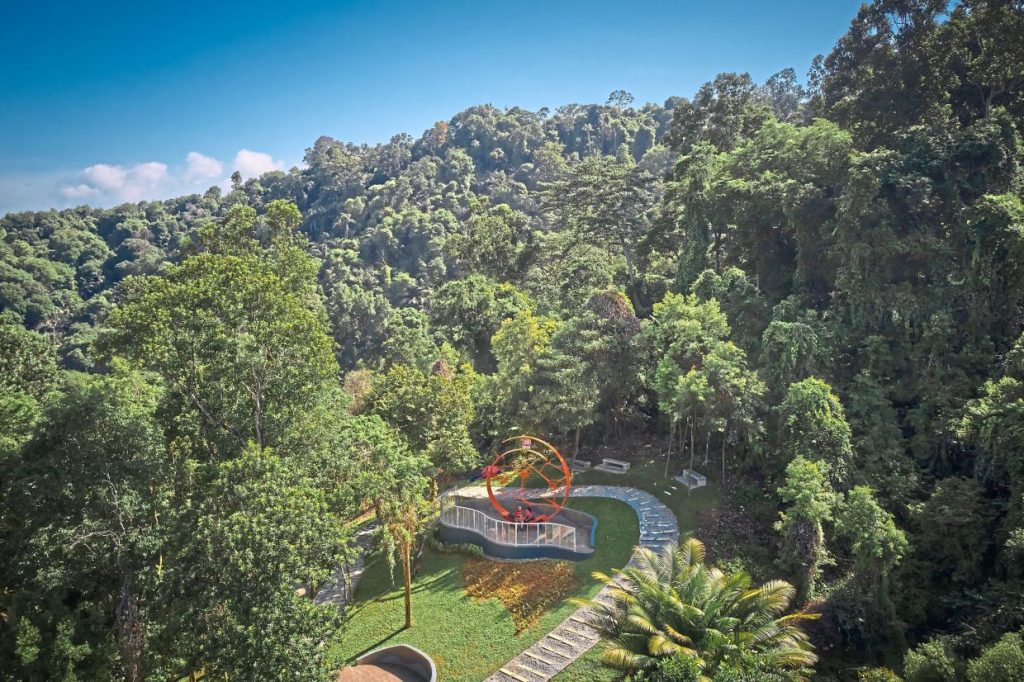
However, as the city expands, it is crucial to consider the impact on environmentally sensitive areas (ESAs) which include hill slopes, rivers, forests and water catchment zones.
These natural spaces act as the city’s life-support system.
They assist in soaking up rainwater, minimising floods, cooling the environment and averting landslides.
Simply put, they make Kuala Lumpur safer and more livable and are vital for maintaining urban sustainability, public health and ecological balance.
Unfortunately, these areas are increasingly under pressure from rapid development.
As land becomes more scarce, natural spaces are sometimes cleared or altered to make way for development.
While development is necessary for a growing city, ignoring environmental limits can create serious long-term problems.
Flash floods and slope failures underscore the critical interdependence between ecological systems and urban development.
Deforestation destabilises soil, while river modifications restrict water flow during heavy rain, thus posing risks to communities.
These events are not just environmental issues, but also threaten homes, businesses and public safety.
Floods and landslides are not solely natural disasters; they are often a result of urban planning decisions.
Human actions often accelerate natural processes.
City planning has a direct impact on our vulnerability to climate change and extreme weather events.
Malaysia already has policies, development strategies and guidelines to protect ESAs, but development regulation, enforcement and public awareness remain challenges.
Too often, environmental protection is seen as an obstacle to development rather than an investment in the city’s future.
Cities around the world are learning that protecting nature actually saves money by reducing disaster damage, improving public health and enhancing quality of life, as seen in Perth and Seoul.
Imagine the city of Kuala Lumpur with cleaner rivers, greener neighbourhoods and safer communities.
This vision can be realised by treating ESAs as essential elements, alongside roads, housing, drainage systems and public transport.
Urban planning shapes cities by integrating design, policy, environmental management, economics and social development to create livable, sustainable and resilient urban environments.
It is also about creating a balanced environment where people and nature coexist.
Protecting ESAs does not mean stopping development; it means planning smarter, building in suitable locations, preserving natural buffers and respecting ecological boundaries.
Developing a planning-oriented framework that enhances the protection of ESAs through integrated land use planning, ecosystem-based management and alignment with the Sustainable Development Goals (SDGs), especially SDG 11 (sustainable cities and communities), SDG 13 (climate action) and SDG 15 (life on land), is crucial at this time.
By highlighting the importance of ESAs in urban resilience strategies, Kuala Lumpur can effectively manage development pressures while promoting long-term environmental sustainability.
The future of Kuala Lumpur depends on decisions made today.
ESAs are not merely empty land waiting to be developed; they are strong protective systems that support the city’s resilience and wellbeing.
As residents, planners, developers and policymakers, we share responsibility for safeguarding these spaces.
In the end, safeguarding ESAs in urban areas is not a luxury, but a vital requirement for our survival.
PROF DR M. ZAINORA ASMAWI
International Islamic University Malaysia (IIUM)