
Published on
June 24, 2026

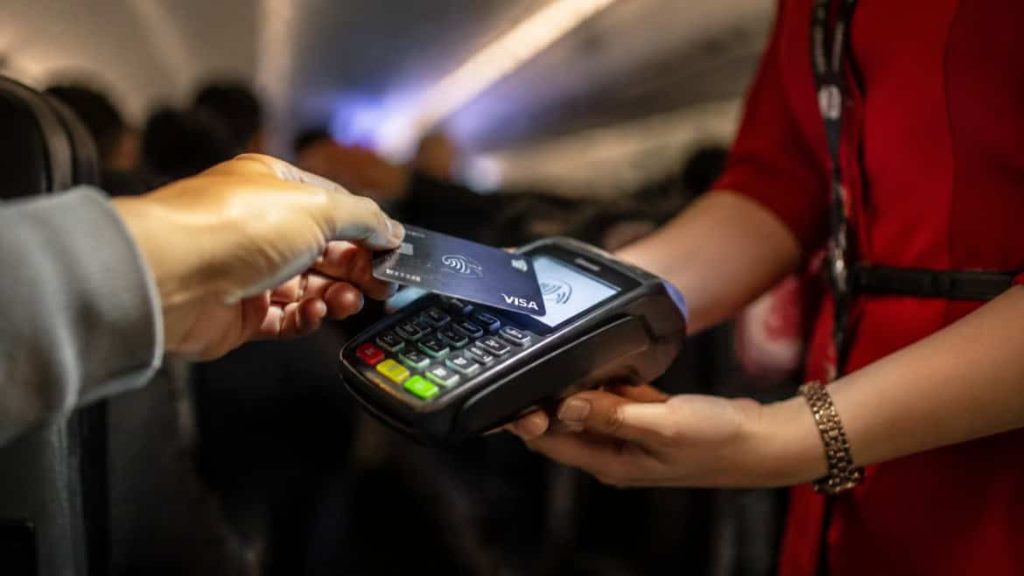
Image generated with Ai
A mid-air dispute on an AirAsia flight bound for Jakarta has triggered wider debate over inflight payment security and passenger identification protocols in Southeast Asia. The incident, reported in 2026 during cruising phase of the journey, escalated after a contactless credit card transaction was questioned by cabin crew, followed by a disputed request for the passenger’s passport. This matters now because airlines are rapidly shifting toward cashless, contactless inflight commerce.
The episode directly affects frequent flyers, digital payment users, and airline service standards across Asia-Pacific carriers. It also raises urgent questions about where payment verification ends and personal identification begins inside aircraft cabins. As airlines expand onboard retail systems, passengers are increasingly exposed to procedural grey zones that are not always clearly understood.
Inflight Transaction Turns Into High-Profile Dispute
The incident began shortly after the aircraft reached cruising altitude on a Jakarta-bound AirAsia service. The passenger attempted to purchase an additional beverage using a credit card, despite having pre-ordered meals earlier.
According to the account shared publicly, the cabin crew member held the card for an extended moment before processing the payment attempt. The transaction ultimately failed.
Advertisement
Advertisement
Key points from the passenger’s report include:
- Extended manual inspection of the payment card before processing
- Declined contactless transaction during inflight purchase
- Crew explanation that the card type was being assessed
- Passenger concern over potential data exposure
The passenger later questioned the handling process, citing prior concerns about credit card security after travel experiences. While no evidence of wrongdoing has been established, the interaction escalated tension between both parties.
Advertisement
Advertisement
Passport Request Sparks Procedural Confusion Onboard
The situation intensified when the passenger indicated intent to formally report the interaction after landing. At this point, the cabin crew reportedly requested the passenger’s passport.
The passenger refused multiple times, questioning the relevance of identity verification for a failed payment dispute. The crew reportedly explained that seat assignment and name details were already available within the airline system.
After landing in Jakarta, ground staff were approached for clarification. However, airport personnel reportedly expressed uncertainty regarding the necessity of passport verification in this context.
This ambiguity highlights a critical operational gap:
- Airlines maintain passenger identity records via booking systems
- Cabin crew may initiate incident documentation protocols
- Ground staff often handle post-flight escalation reporting
The lack of a clearly understood chain of justification has fueled public debate about inflight administrative authority and passenger rights during service disputes.
Contactless Payments in Aviation: A Growing Friction Point
The global aviation sector has been rapidly integrating contactless payment systems, aligning with broader financial technology trends endorsed by international bodies such as the International Civil Aviation Organization (ICAO) and recommended airline commercial practices promoted by the International Air Transport Association (IATA).
Advertisement
Advertisement
However, inflight environments present unique constraints:
- Limited connectivity or offline payment processing systems
- High dependency on portable card readers
- Fraud prevention protocols requiring manual checks
- Crew responsibility for financial transaction accountability
In this case, the prolonged card inspection raises questions about operational balance between fraud prevention and passenger privacy.
Industry analysts note that cabin crew are often trained to identify:
- Card authenticity indicators
- Payment type differences (debit vs credit)
- Transaction anomalies during offline processing
Yet, there is no universally standardised global protocol governing how long a card may be inspected or whether identity verification escalation is justified during minor inflight purchases.
Passenger Rights, Data Security, and Aviation Grey Zones
The dispute also exposes a broader issue: passenger expectations versus airline operational discretion.
Modern travellers increasingly assume:
Advertisement
Advertisement
- Instant contactless approvals
- Minimal manual intervention
- Strong data privacy protection onboard
However, aviation consumer protection frameworks in multiple jurisdictions, including guidelines influenced by national civil aviation authorities such as the DGCA in India and equivalent regulators in ASEAN countries, generally allow airlines operational flexibility in service management.
Key friction points include:
- Lack of transparent inflight payment policy disclosure
- Unclear escalation triggers for identity verification
- Absence of passenger-facing documentation on dispute handling
While airlines must manage fraud risk and financial accountability, passengers are rarely informed of internal thresholds that trigger additional verification steps such as ID requests.
This gap between expectation and operational reality is becoming more visible as digital payments dominate inflight retail ecosystems.
AirAsia Context and Wider Aviation Industry Implications
AirAsia and similar low-cost carriers operate high-frequency, high-volume routes where inflight retail plays a significant revenue role. As digital payments replace cash-based transactions, airlines are increasingly dependent on:
- Secure payment authentication systems
- Rapid transaction validation tools
- Crew training for fraud prevention
- Cross-border compliance frameworks
The Jakarta incident highlights a broader industry challenge across Asia-Pacific aviation: balancing efficiency with security perception.
Advertisement
Advertisement
What others often miss in similar cases is that inflight crew are not only service providers but also frontline financial processors in a constrained environment. This dual role creates procedural ambiguity when disputes arise mid-flight.
Without clear standardisation, similar incidents risk escalating passenger dissatisfaction and reputational concerns, even when no formal violation has occurred.
Industry Needs Clarity Before Trust Erodes
The AirAsia inflight dispute in Jakarta is not just about a credit card transaction. It reflects a deeper structural tension between evolving payment technology and outdated procedural clarity inside aviation cabins.
As TTW Founder and Editor-in-Chief Mr. Anup Kumar Keshan observes, the aviation industry is entering a critical phase where “digital convenience must be matched by procedural transparency, or passenger trust will weaken faster than technology evolves.”
Airlines now face a decisive moment. They must define clear inflight payment protocols, standardise identity verification triggers, and communicate passenger rights more transparently. Without this, minor service disputes risk escalating into larger trust issues across the global travel ecosystem.
Passengers, meanwhile, are encouraged to understand that inflight systems operate under different constraints than ground-based retail environments. Awareness is the first step toward reducing friction during future travel experiences.
Advertisement
Advertisement
The Jakarta incident serves as a warning signal. Not of wrongdoing, but of a system evolving faster than its rulebook.
Advertisement
Advertisement
