
n May 20, President Prabowo Subianto announced new export regulations for strategic natural resources. The move raises a crucial question: Is Indonesia strengthening constitutional control over its natural wealth or creating new uncertainty for business and global markets? The answer depends on not only the intention behind the policy but also its legal and institutional design.
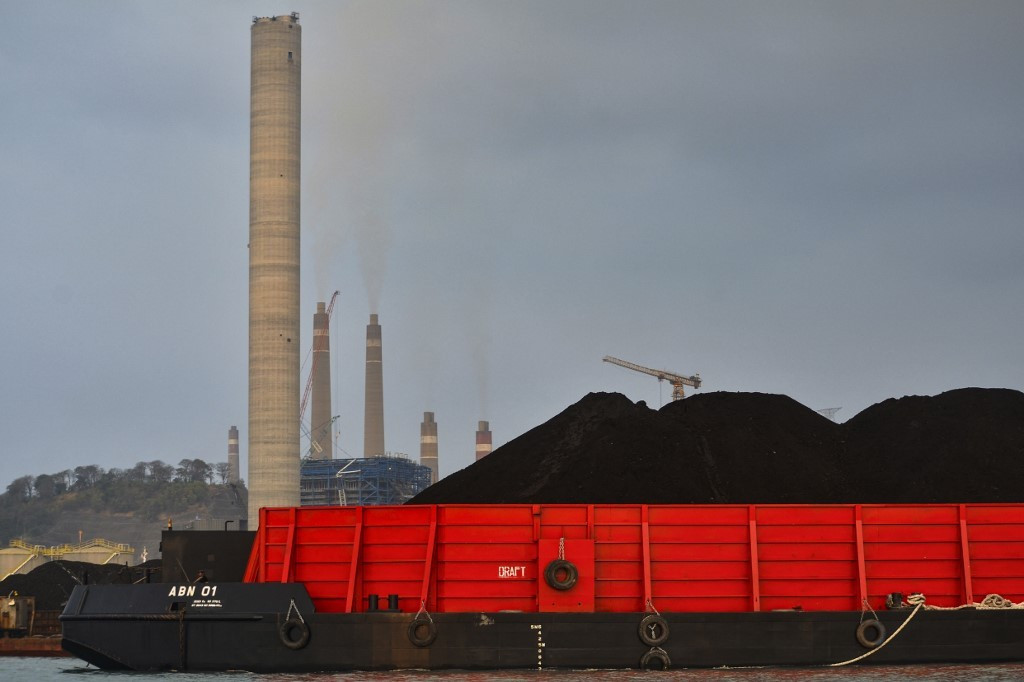
The regulation requires export sales of selected strategic commodities, beginning with palm oil, coal and ferroalloys, to be conducted through a state-owned entity appointed by the government as a sole exporter or marketing facility.
The government frames the policy as addressing under-invoicing, transfer pricing, capital flight and lost state revenue. Danantara Sumber Daya Indonesia will reportedly take on this role. Before full implementation, exporters must report essential trade data. Reuters has noted that Danantara will honor existing export contracts, although pricing may be reviewed to ensure alignment with global market levels.
From the perspective of global markets and Indonesia’s trading partners, the policy can be read in two ways.
If it is poorly explained or implemented, the policy may be seen as unpredictable resource nationalism: state intervention that disrupts contracts, slows export transactions, erodes market trust and increases regulatory risk.
If it is designed transparently and implemented with legal certainty, the policy may strengthen export governance, ensure fair reporting of export values and prevent the leakage of public revenue.

Every Thursday
This is where Article 33 of the 1945 Constitution becomes central. Paragraph (3) of the article provides that land, water and the natural resources contained therein shall be controlled by the state and used for the greatest prosperity of the people.