
Dubai Safari Park closed its seventh season this week after recording 144 newborn animals, drawing thousands of students into wildlife education programs, and preparing for its annual summer pause as extreme heat settles over the United Arab Emirates.
The Al Warqa wildlife destination, home to more than 3,000 animals across a 119-hectare site, will remain closed during the hottest months and is expected to reopen for Season 8 in October 2026. The seasonal break is standard practice for several of Dubai’s major outdoor attractions, where summer temperatures can turn even a stroll between exhibits into an endurance sport.
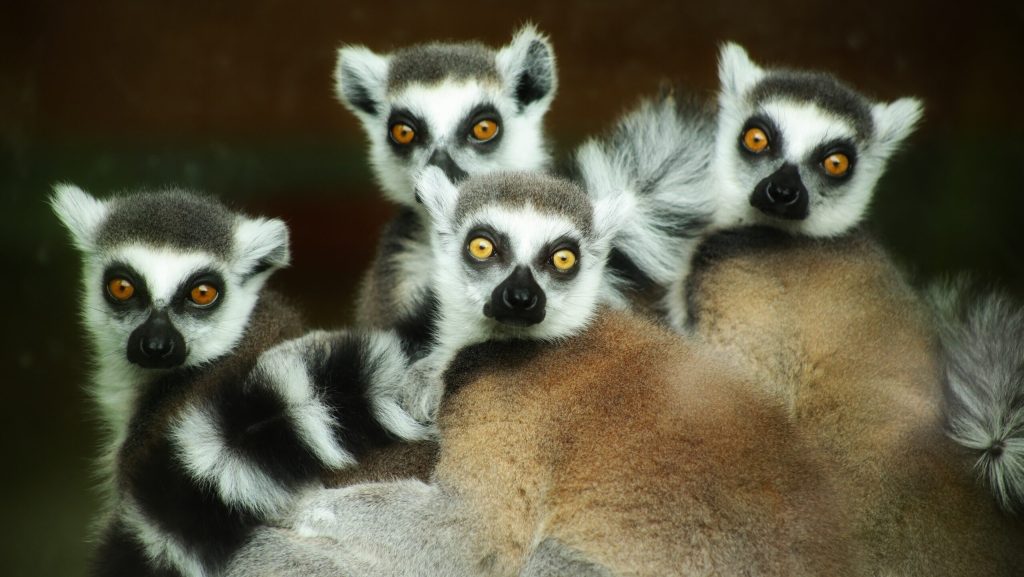
This year, the park’s baby boom became the main event. Among the new arrivals were Salam, a southern white rhino calf born through the park’s breeding program, and Zuri, a giraffe calf who quickly became one of the season’s crowd-pleasers. Other births included Addax, Arabian wolves, ring-tailed lemurs, Speke’s gazelles, mountain gazelles, scimitar-horned oryx, Arabian sand gazelles, Barbary sheep, and Nubian ibex.
Education was another major marker of the season. The park said 27,654 students took part in programs aimed at teaching conservation awareness and environmental responsibility. Tourism demand also remained strong, with more than 220,000 tickets sold through travel trade partners and more than 62,000 travel trade redemptions recorded in January and February alone.
Muna Alhajeri, director of Dubai Safari Park, said the season reflected the park’s wider mission.
“Season Seven has been another remarkable chapter in Dubai Safari Park’s journey. From welcoming 144 newborn animals and achieving important conservation milestones, to engaging thousands of students and strengthening our global partnerships, every achievement reflects our commitment to wildlife, education, and meaningful visitor experiences,” Khaleej Times quoted her as saying.
The park also joined the World Association of Zoos and Aquariums and the European Association of Zoos and Aquaria, recognition tied to conservation, research, education, and animal-welfare standards.
Behind the cute-calf factor sits serious veterinary work. The park reported 34 life-saving surgeries and expanded pregnancy monitoring efforts, part of the less Instagrammable machinery that keeps a modern wildlife facility running.