
Published on
June 19, 2026

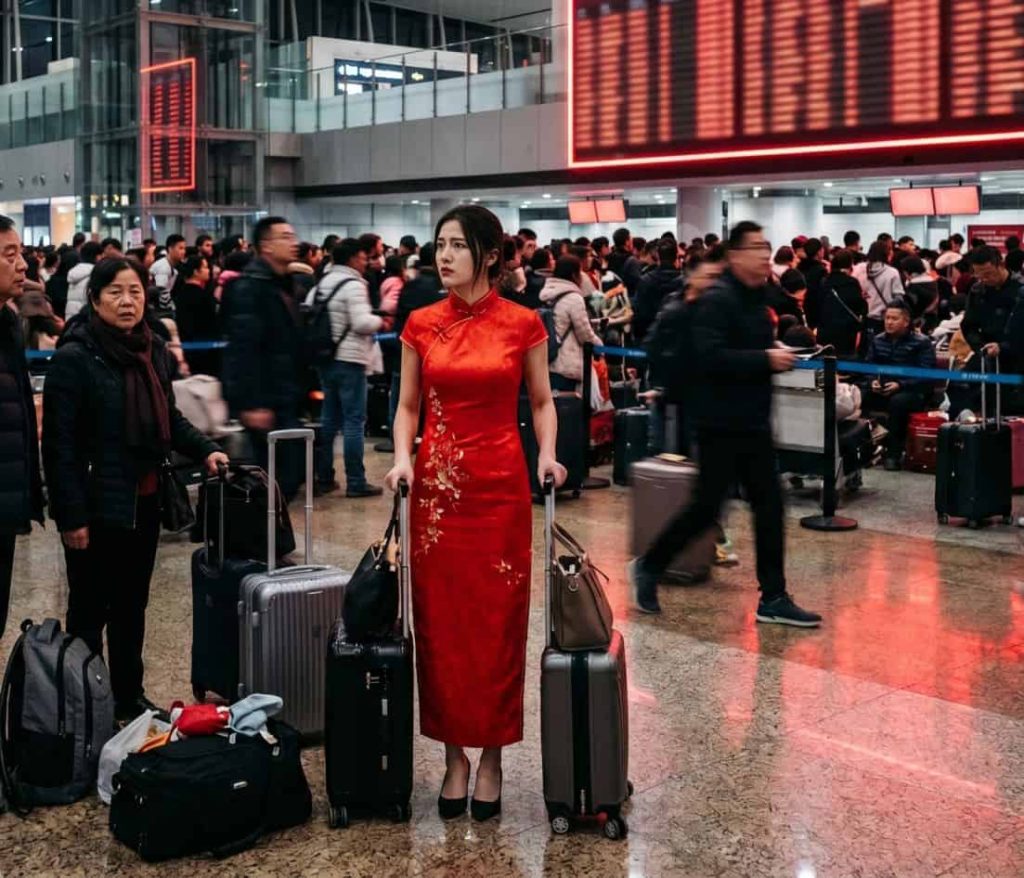
Image generated with Ai
A massive wave of aviation disruption has been recorded across China on 18th June, 2026. It has been confirmed that widespread schedule alterations were forced upon passengers over a 24-hour period. In total, 138 flight cancellations and 4,551 delays were registered, heavily impacting operations. Major hubs serving key metropolitan zones were affected, with significant travel backlogs being generated. Journeys were disrupted across a wide geographical footprint, including key hubs in Beijing, Shanghai, Chengdu, Shenzhen, Chongqing, Guangzhou, Guiyang, Haikou, Hangzhou, Hefei and Kunming.
A variety of major aviation brands were caught up in these scheduling difficulties; specifically, operations were severely hindered for China Eastern, China Southern, Air China, Spring Airlines and several other carriers. The scale of the interruptions indicates that massive logistical adjustments had to be managed by airport authorities and airline staff alike. Passengers scheduled to fly out of these regions found their travel itineraries completely upended as waiting times escalated across the country.
Across the nation of China, varying degrees of operational friction were recorded across multiple regions. In this section, the detailed data collected from airports serving Beijing, Shanghai, Chengdu, Shenzhen, Chongqing, Guangzhou, Guiyang, Haikou, Hangzhou, Hefei and Kunming is presented. The specific metrics recorded for each terminal are outlined below:
- Shanghai Pudong Int’l: A total of 7 cancellations were executed at this major hub serving Shanghai, whilst 390 delays were logged by flight tracking systems, affecting thousands of itineraries.
- Shanghai Hongqiao Int’l: Operations at this secondary gateway in Shanghai were significantly hindered, with 18 cancellations and 263 delays being officially recorded over the 24-hour period.
- Beijing Daxing International Airport: In the capital city of Beijing, 9 cancellations were confirmed at this modern facility and a total of 211 delays were experienced by travellers.
- Beijing Capital Int’l: Terminal operations within Beijing were further stressed as 5 cancellations and 200 delays were posted on departure boards, compounding regional traffic backlogs.
- Shenzhen Bao’an Int’l: The highest level of disruption across the network was experienced in Shenzhen, where 30 cancellations were enacted and an immense 1,044 delays were monitored by aviation authorities.
- Chengdu Tianfu Int’l: In the vital transit hub of Chengdu, 8 cancellations were verified alongside 219 delays, causing widespread schedule adjustments for domestic routes.
- Chongqing Jiangbei Int’l: Passengers routing through Chongqing were met with significant disruption, as 6 cancellations and 260 delays were reported by airport administrators.
- Guangzhou Baiyun Int’l: Severe logistical difficulties were observed in Guangzhou, where a total of 10 cancellations and an astonishing 1,026 delays were registered during the scheduling crisis.
- Guiyang Longdongbao: The regional network in Guiyang was impacted by 6 cancellations, while an additional 113 delays were suffered by passengers navigating the terminal.
- Haikou Meilan Int’l: Standard flight operations in Haikou were interrupted, resulting in 8 cancellations and 197 delays being formally logged by local air traffic teams.
- Hangzhou Xiaoshan Int’l: A notable volume of scheduling friction was recorded in Hangzhou, where 6 cancellations and 384 delays were endured by departing and arriving passengers.
- Hefei Xinqiao Airport: The schedule in Hefei was heavily disrupted, with 13 cancellations and 81 delays being forced upon the operating carriers at this facility.
- Kunming Changshui Int’l: In the southern gateway of Kunming, 12 cancellations were confirmed and 163 delays were documented, completing the widespread picture of national scheduling friction.
When travel patterns are interrupted on this scale, future tourism metrics are inevitably influenced. Concerns regarding scheduling reliability are frequently raised by international and domestic holidaymakers when major operations are disrupted. Statistical patterns indicate that confidence is often shaken when extensive delays are witnessed across major economic centres.
Because these 138 cancellations and 4,551 delays were distributed across critical gateways in China—specifically affecting major transport nodes like Beijing, Shanghai, Chengdu, Shenzhen, Chongqing, Guangzhou, Guiyang, Haikou, Hangzhou, Hefei and Kunming—the ripple effects are expected to be analysed by tourism boards for months to come. It is widely recognised by industry experts that flight punctuality plays a critical role in destination selection. When prominent airlines such as China Eastern, China Southern, Air China and Spring Airlines face simultaneous operational backlogs, the broader travel ecosystem suffers. Future bookings could be altered as travellers re-evaluate their transit plans through heavily congested hubs.
Furthermore, multi-destination itineraries are heavily compromised when multiple regional hubs experience simultaneous friction. Leisure travel plans are often interconnected, meaning a single delay can cause a domino effect on subsequent hotel bookings, local tours and pre-booked excursions. When structural disruptions are observed on this scale across major tourist entry points in China—including primary corridors like Beijing, Shanghai, Chengdu, Shenzhen, Chongqing, Guangzhou, Guiyang, Haikou, Hangzhou, Hefei and Kunming—the overall attractiveness of regional tour packages is severely tested. Negative passenger experiences are frequently shared on global travel platforms, whereby long-term brand loyalty for carriers like China Eastern, China Southern, Air China and Spring Airlines might be eroded. Consequently, future travel choices are likely to be dictated by perceived operational stability, with some holidaymakers opting for alternative transport methods, such as high-speed rail networks, to avoid unpredictable airport environments.
Advertisement
Advertisement
Q: How can flight status updates be obtained during widespread disruptions? A: Flight statuses should be monitored continuously via official airline mobile applications or airport information boards. For passengers travelling across China, immediate digital notifications are often provided by carriers such as China Eastern, China Southern, Air China and Spring Airlines.
Q: What compensation or rebooking rights are provided to passengers when flights are cancelled? A: When a flight is cancelled, alternative transport options must be sought through the respective carrier’s service desk. Rebooking onto the next available flight is standard procedure, or a full refund can be requested if the alternative arrangements are deemed unsuitable.
Advertisement
Advertisement
Q: What measures should be taken if a delay is experienced at a major hub? A: If a delay is experienced at busy hubs located within Beijing, Shanghai, Chengdu, Shenzhen, Chongqing, Guangzhou, Guiyang, Haikou, Hangzhou, Hefei, or Kunming, passengers are advised to remain near their designated departure gates. Ground staff should be consulted regarding duty-of-care provisions, such as complimentary meals or refreshments, which are frequently distributed during prolonged waiting periods.
Q: Can travel insurance be utilised to cover expenses incurred by these delays? A: Yes, insurance claims can be submitted if policy parameters cover significant flight delays or unexpected cancellations. Receipts for accommodation, food, and alternative transport must be retained so that a comprehensive claim can be processed later by the insurance provider.
-The flight information is based on data sourced directly from FlightAware. Please note that airlines frequently adjust schedules and routes to prioritize operational safety. In the event of a change, passengers should remain calm and explore alternative flight options. To ensure a smooth journey, it is highly recommended to monitor real-time flight status, understand your carrier’s rebooking policies and maintain a flexible itinerary.

Advertisement
Advertisement
