
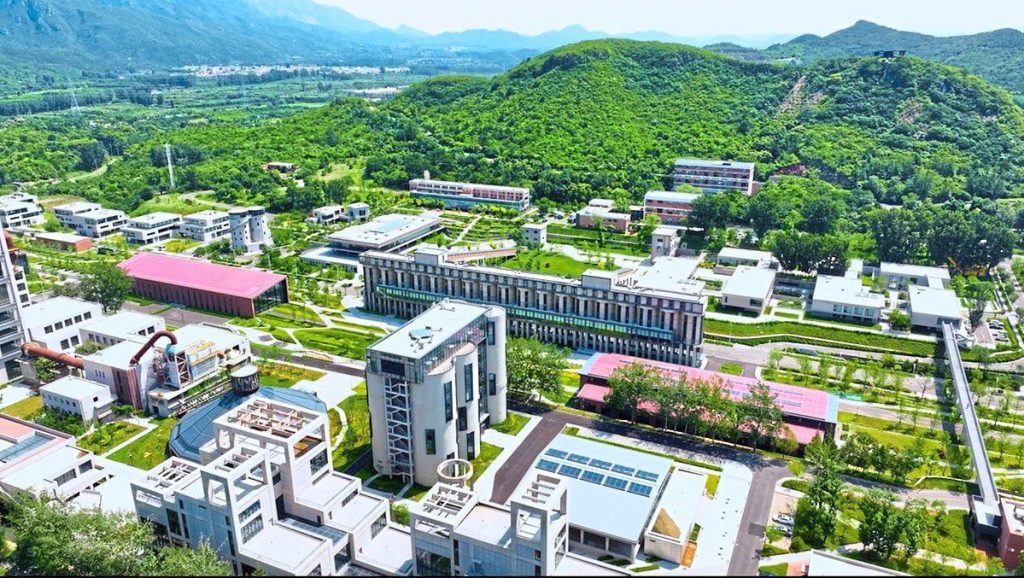
AT first glance, Beijing’s Huairou district, framed by green mountains, looks like a quiet weekend escape.
But behind the lakeside views and the faint outline of the Great Wall lies one of China’s key science hubs.
As such, Beijing is keen to showcase the area as it seeks a larger role in shaping the Asia-Pacific’s economic and technological future.
This writer recently joined 16 journalists from eight Asia-Pacific Economic Cooperation (Apec) member economies for a media workshop on this year’s meeting themes at the China Foreign Affairs University in Beijing.
The programme was organised by the China Public Diplomacy Association under the framework of the China International Press Communication Center, ahead of the 33rd Apec Economic Leaders’ Meeting to be held in Shenzhen this autumn.
Growing tourism hub
The first site visit was to Yanqi Lake, a 230ha manmade lake at the foot of the Yanshan mountain range which offers a ride on a dragon-shaped boat across the still water.
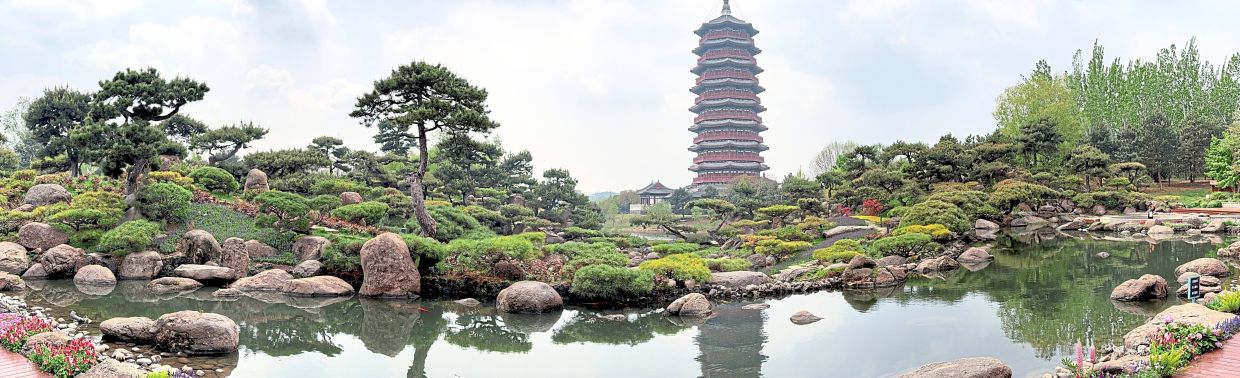
This was the site of the 2014 Apec Economic Leaders’ Meeting, when China last hosted the summit. The surrounding venues have since been preserved and developed as part of a high-end convention and tourism district.
China will once again host the Apec meeting, which will take place in Shenzhen later this year.
At the Apec Exhibition Center in Beijing, memorabilia from the 2014 summit was aplenty. This includes the traditional Chinese-style outfits worn by leaders, the tables and chairs used in meeting rooms, and even the tableware from official banquets.
Large photographs and video footage showed heads of government posing in silk jackets against the backdrop of the lake and distant hills.
Another significant venue was the Yanqi Lake International Convention Center, which has landmark locations such as the Jixian Hall, the Hongyan Hall, and the South Square.
Guides were present to describe the logistics behind staging major events – translation, security, catering, media operations, etc.
The conference centre’s sweeping roof, which incorporates stylised Chinese elements and rises like a bird about to take flight, is often presented by local officials as a metaphor: ideas and projects “incubated” in Huairou are meant to take off globally.
Beyond the conference halls, however, the tone shifts from soft power to hard science.
City of science
Huairou is home to the Beijing Huairou Comprehensive National Science Center, widely known as Huairou Science City.
Spanning about 100sq km, it brings together research institutes, university campuses and high-tech industry with a core mission: shifting China’s growth model towards innovation.
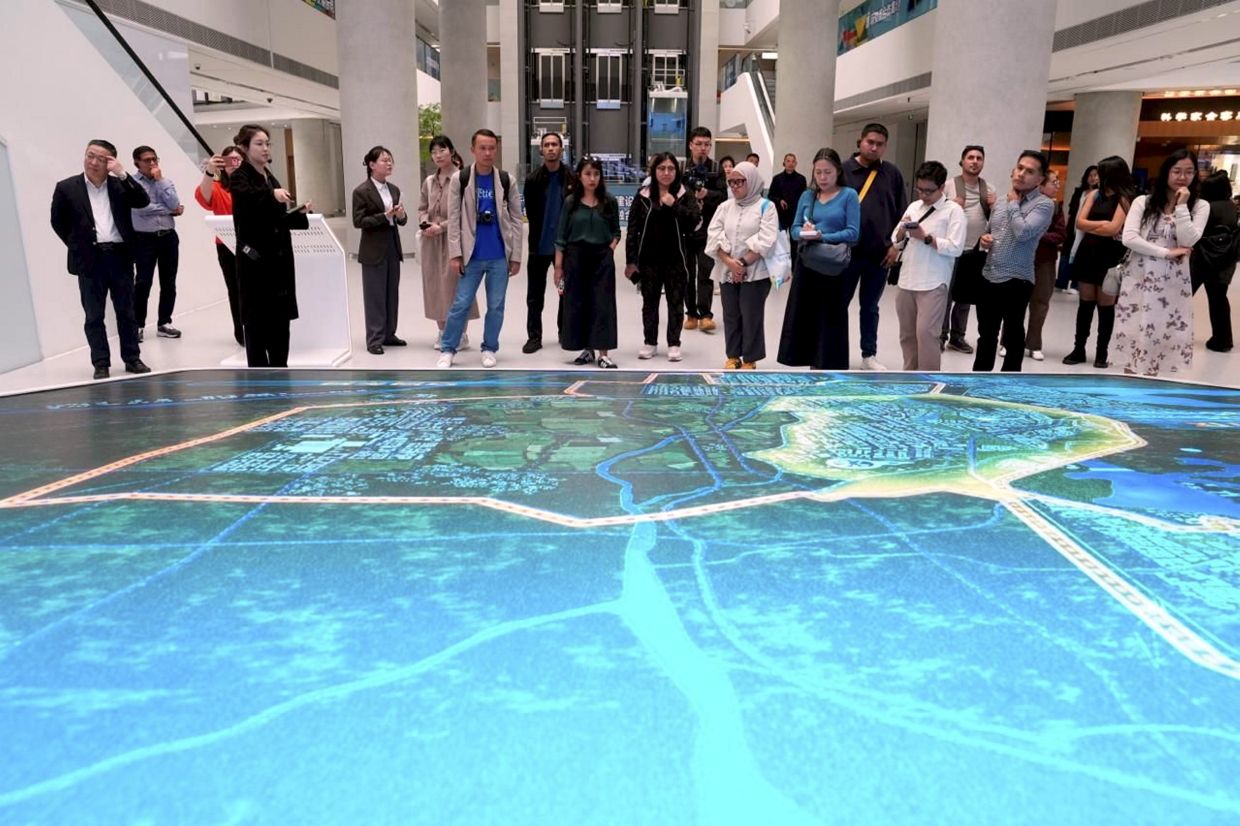
The district now hosts tens of thousands of professionals, including some 26,000 research staff. Among them are 98 academicians of the Chinese Academy of Sciences and the Chinese Academy of Engineering, and more than 700 foreign researchers.
At the heart of the area is the campus of the University of the Chinese Academy of Sciences, a training ground for young scientists. Students are drawn directly into large-scale projects that range from high-energy physics and clean energy to artificial intelligence (AI).
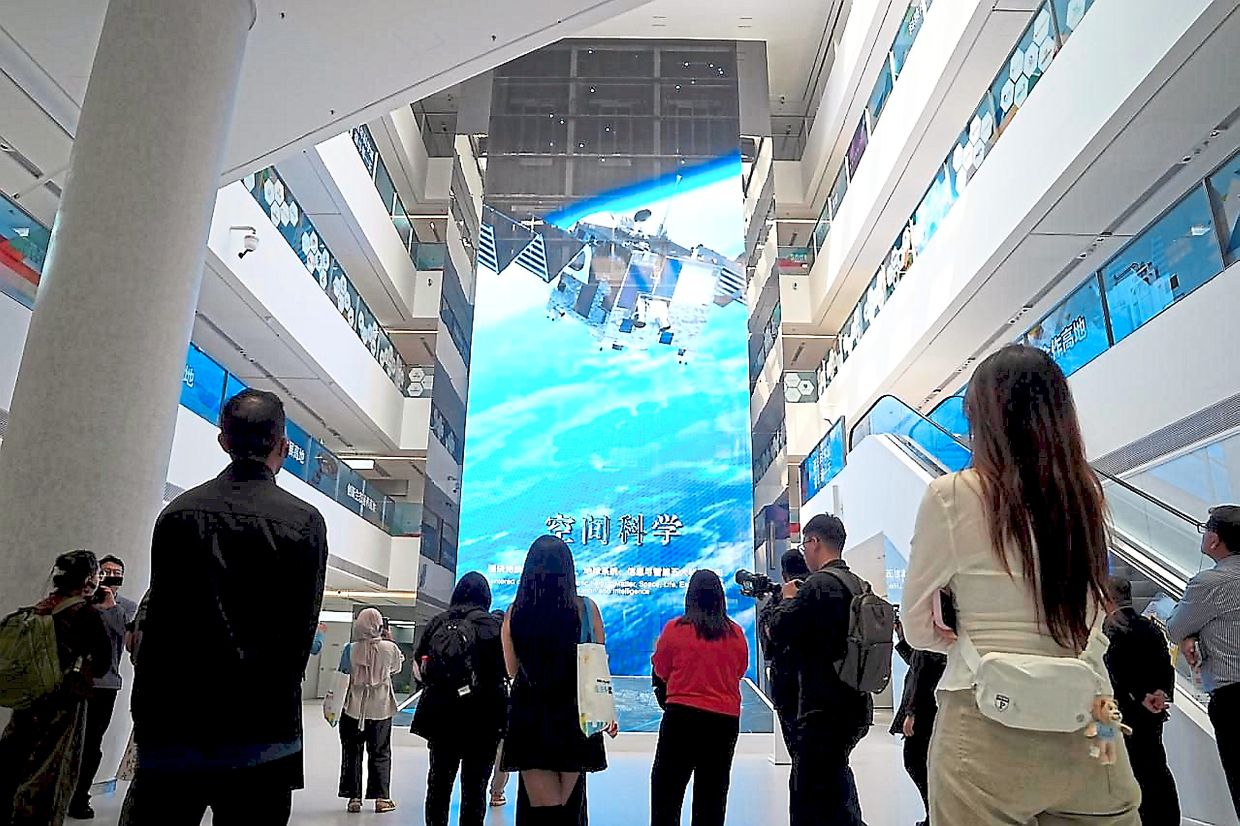
Surrounding the campus are institutes such as the Beijing Institute of Mathematical Sciences and Applications (Bimsa), the Beijing Institute of Nanoenergy and Nanosystems, and the Beijing Stem Cell and Regenerative Medicine Research Institute, alongside branches of Peking University and Tsinghua University.
The flagship facility is the High Energy Photon Source, China’s first fourth-generation storage ring, which generates exceptionally bright X-ray beams.
Scientists use these beams to study materials at the atomic level – examining how battery components age, testing advanced alloys, or assessing parts for aviation and electronics.
Bimsa, founded in 2020 under Fields Medal-winning mathematician Shing-Tung Yau, reflects a related priority: building deep mathematical strength to underpin advances in physics, AI and data science.
Yau and other senior figures hope Huairou’s blend of theoretical and applied research will make it a magnet for the world’s top talent.
From particle beams to plastic faces
To see how this ecosystem works in practice, it is best to visit technology companies based in the science city.
For instance, Multifields is a young firm specialising in nano- precision vibration control.
Staff explained how their devices help stabilise equipment used in semiconductor fabrication and high-end manufacturing, allowing them to compete with established European and Japanese suppliers.
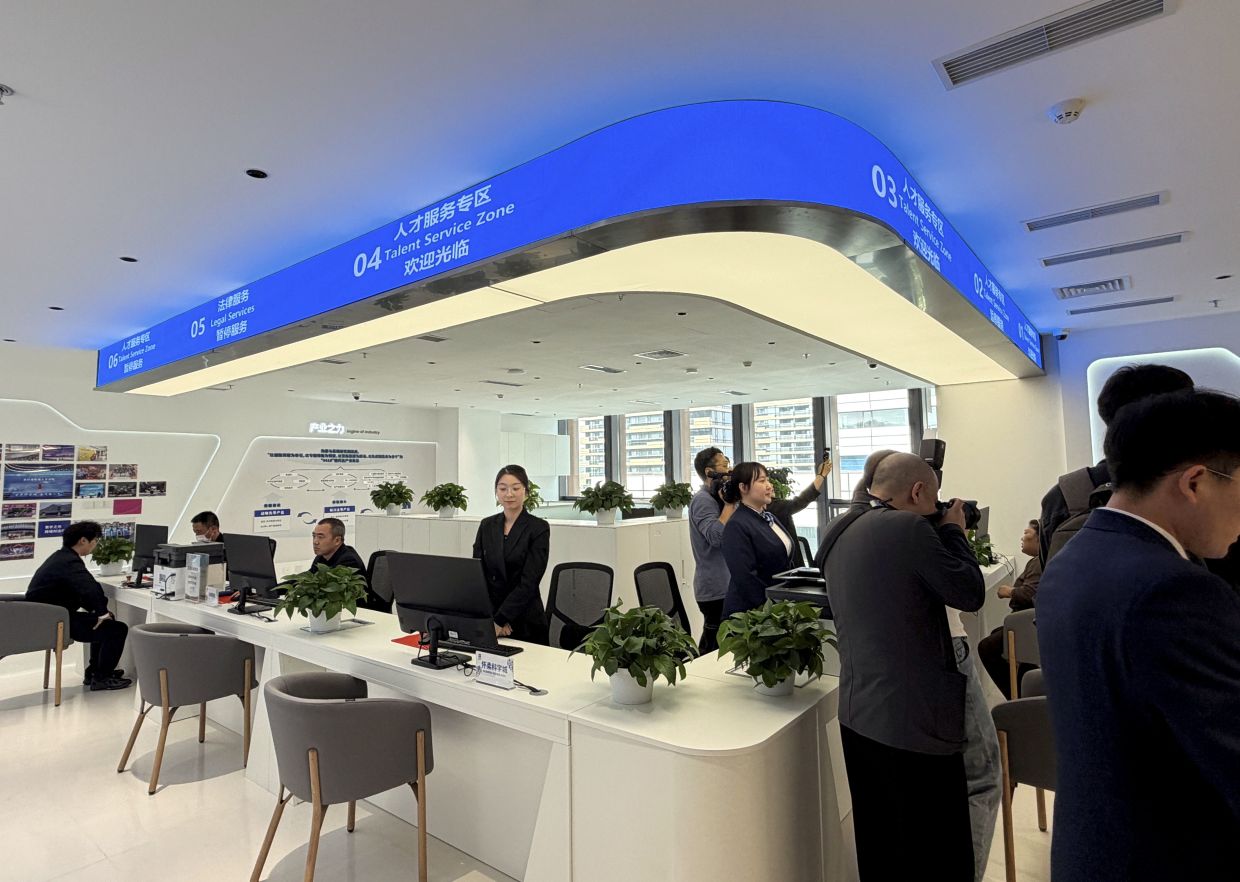
Supporting all of this is a one-stop talent service centre that handles work permits, residence procedures, and other practical issues. Officials say the goal is to reduce red tape for high-level professionals, making it easier for them to live in Huairou long-term and focus on their work rather than paperwork.
China’s stated aim is to turn Huairou Science City into a world-class cluster of major scientific facilities by 2035 – not only as a national asset, but as a global source of innovation that can also feed into Asia-Pacific co-operation under Apec
Back to the bigger picture
In central Beijing, the Apec theme is “Building an Asia-Pacific Community to Prosper Together”.
Liu Feitao, the secretary-general of the China National Committee for Pacific Economic Coope-ration, a key Apec think tank, said that sectors such as the digital economy, AI and clean energy would underpin long-term, higher-quality growth in the Asia-Pacific.
He noted that no country could tackle emerging risks alone, from financial volatility and supply chain disruption to public health and climate shocks.
“Only through solidarity and co-operation can we build a secure and stable regional environment,” he said, adding that dialogue and consultation remained essential for managing differences.
Liu pointed out that China had identified three priorities it hoped to promote through Apec in 2026 – openness, innovation and co-operation – and suggested that, if taken seriously, these pillars could shape the region’s future trajectory while supporting broader global stability.