
Close Menu
Simply Invest Asia
  • Home
  • About us
  • Explore industries/sectors
    • Automobile
    • Aviation
    • Banking
    • Biotechnology
    • Chemical & Fertilizer
    • Entertainment and Media
    • Food Processing
    • Healthcare
    • Iron and Steel
    • Leather
    • Mining
    • Oil and Gas
    • Pharmaceutical
  • Explore by countries
    • China
    • Dubai / UAE
    • Hong Kong
    • India
    • Indonesia
    • Japan
    • Malaysia
  • Explore cities
    • Bangkok
    • Beijing
    • Chongqing
    • Delhi
    • Dubai
    • Guangzhou
    • Jakarta
    • Kuala Lumpur
  • Why Asia
Facebook X (Twitter) Instagram Threads
Trending:
  • Can Jakarta dodge a devastating downgrade? MSCI set to decide Indonesia’s emerging markets status today
  • China and EU trade chiefs to meet next week
  • Monthly rent? Dubai announces Flexi Rents initiative helping tenants with housing costs
  • 79 to 100: How Delhi student’s board exam results jumped after CBSE re-check | Delhi News
  • Indonesia’s emerging markets crown on the line as MSCI verdict looms
  • The dates for Dubai Comedy Festival 2026 have been revealed
  • What Recent Developments Have Put Resource Mining Corporation (ASX: RMI) Back in Focus?
  • India’s Akasa Air aims to boost capacity by 30% in FY27
  • Malaysia Airlines Joins Singapore Airlines to Transform Singapore–Kuala Lumpur Travel with Integrated Fare Options, Wider Flight Choices, Future Lounge Reciprocity and Stronger ASEAN Connectivity: A Complete Guide for Passengers Planning Their Next Journey
  • Beijing’s Nepal Anxiety – The Diplomat
  • NTT Docomo, NEC and 1Finity selected for Japan 6G research programme
  • New Zealand’s iSim Highlights Hawker 800XP Simulator Access in Bangkok for 2026 Asia-Pacific Training Demand
  • UK Growth Stocks Insiders Are Banking On
  • Singapore-based startup ChemT Biotechnology raises $5 M to bring AI to Biomanufacturing
  • Research suggests young people with childhood-onset MS consume more ultra-processed foods
  • A makeover to celebrate anniversary
  • Chinese Premier Li Qiang puts China’s advanced manufacturing agenda on display before Summer Davos
  • Dubai sets July deadline for Airport Express metro bids
Tuesday, June 23
Facebook X (Twitter) Instagram
Simply Invest Asia
  • Home
  • About us
  • Explore industries/sectors
    • Automobile
    • Aviation
    • Banking
    • Biotechnology
    • Chemical & Fertilizer
    • Entertainment and Media
    • Food Processing
    • Healthcare
    • Iron and Steel
    • Leather
    • Mining
    • Oil and Gas
    • Pharmaceutical
  • Explore by countries
    • China
    • Dubai / UAE
    • Hong Kong
    • India
    • Indonesia
    • Japan
    • Malaysia
  • Explore cities
    • Bangkok
    • Beijing
    • Chongqing
    • Delhi
    • Dubai
    • Guangzhou
    • Jakarta
    • Kuala Lumpur
  • Why Asia
Simply Invest Asia
Home»Explore cities»Beijing»Beijing’s Nepal Anxiety – The Diplomat
Beijing

Beijing’s Nepal Anxiety – The Diplomat

By IslaJune 23, 20265 Mins Read
Share
Facebook Twitter Pinterest Threads Bluesky Copy Link


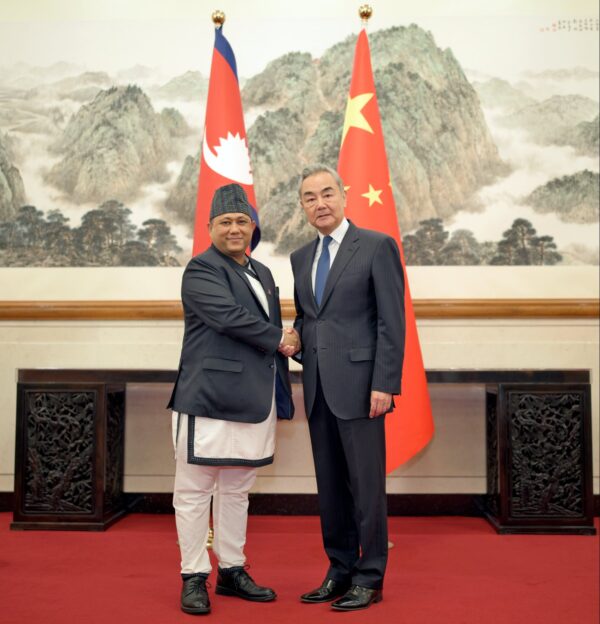
“A close neighbor is better than a distant relative,” Chinese Foreign Minister Wang Yi told his Nepali counterpart Shisir Khanal during their recent meeting in Beijing. Although Wang named no country, given the context in which he made the statement, the top Chinese diplomat could not have been more direct: he was talking about China (the “close neighbor”) and the U.S. (the “distant relative”).

The Nepali foreign minister was in Beijing to reassure the Chinese that Nepali soil would not be used for anti-China activities. In recent times, Chinese officials have repeatedly voiced their discontent with what they see as growing U.S. “interference” in Nepal, which, they believe, is aimed at minimizing China’s presence in the country.

China grew uneasy last September, when K.P. Sharma Oli was forced out as the Nepali prime minister — just a week after his much-hyped China visit. Both as prime minister and as leader of the Communist Party of Nepal-Unified Marxist Leninist (CPN-UML), Oli was someone who had cultivated close ties with Beijing. His China visit, among other things, was supposed to give impetus to the stalled Belt and Road Initiative (BRI) projects in Nepal.

Beijing was shocked when the rampaging Gen Z protestors literally chased Oli away from his official residence. Suddenly, the Chinese, who like to do business with strong power centers, faced the unenviable prospect of dealing with a completely new set of political actors in Nepal. What added to their unease were widespread rumors that the Americans had a big role, first in the protests, and then in giving shape to the interim government of Sushila Karki.

Amid this sea-change in Nepali politics, more and more top American officials started visiting Kathmandu and openly casting doubts on the Chinese intent behind pushing the BRI projects. They spoke of the rights of the Tibetan refugees in Nepal. These high-level American visits have continued even after the election of Balendra Shah as the new prime minister following the general elections in March 2026.

Nepal watchers in China believe that while even the core concerns of a “close neighbor” are sidelined, the government in Nepal is making every effort to accommodate the “distant relative.” The Americans have requested Nepal to “enhance support” for Tibetan refugees in the country. Starlink, the satellite internet provider founded by Elon Musk that the Chinese see as a part of the U.S. defense industry, has been in discussions with officials in Kathmandu to allow the company to operate in Nepal. American officials have also openly questioned the viability of BRI projects agreed between Nepal and China.

Moreover, the alleged links of Home Affairs Minister Sudan Gurung to the pro-Tibet movement in Nepal have added to Chinese suspicions. (Gurung has repeatedly denied any such links.) And why, China’s Nepal analysts ask, has the Tibetan government-in-exile in India been so welcoming of the change of guard in Kathmandu?

Chinese officials don’t think the government in Nepal has addressed any of their core concerns, especially related to the Americans. As a Chinese diplomat in Kathmandu put it to this author, “We have given the Shah government 100 days. If it does not address our concerns by that time, we will not be so patient.”

Perhaps what the Chinese want above anything else is for Shah to personally engage them and clearly commit to protecting their interests. China is not alone in this. Even India and the U.S., Nepal’s two other vital international partners, have been unhappy with Shah’s shunning of their officials. India has been talking up its “special relations,” arguing that its extensive relations with Nepal cannot be compared to Kathmandu’s ties with any other capital.

Yet Shah has been happy to let Rabi Lamichhane, chairman of the ruling Rastriya Swatantra Party, take the lead in handling India-Nepal ties. Likewise, he has trusted Foreign Minister Khanal with making the case for a “Nepal first” policy abroad and taking foreign partners into confidence.

Unless Nepal’s major international partners can build personal trust with the reclusive Nepali prime minister, it will be hard for them to do business with his government. More so for the Chinese, who are most comfortable dealing with strong executives.

For Shah, it is vital for Kathmandu to project strong agency before its foreign partners start taking Nepal seriously. In his understanding, previous Nepali governments were too eager to please external powers and too timid in making a strong case for Nepal on the global stage. In his view, calibrated distance from foreign affairs will bring Nepal more respect.

But Shah mistakes distance for agency. Abroad, such aloofness in the leader of a vulnerable state in a contested neighborhood has bred suspicions. Khanal had a rather difficult time convincing China that Nepal as a state is capable of leveraging its partnership with the U.S. to Nepal’s benefit while also ensuring that the partnership does not impinge on China’s interests. Khanal’s recent Beijing trip again showed the gulf in understanding between Kathmandu and Beijing of American involvement in Nepal.

It will take more than a single visit by the Nepali foreign minister to dispel these doubts. Whether or not Beijing’s fears of U.S. interference are justified, they are now shaping Chinese behavior toward Nepal.


Source link

Related Posts

Beijing boosts tech scrutiny but repeat of 2021 crackdown is unlikely

June 23, 2026

US trade official takes aim at Beijing, faults Washington on industry

June 22, 2026

China’s Malacca panic jails US scholar to appease Myanmar

June 22, 2026
Add A Comment
Leave A Reply Cancel Reply

Top Posts

China Scraps 12,000 Degrees in Biggest Academic Overhaul in Years

June 14, 2026

Chinese Wall may stem India tech flows for electronics and automobile

June 1, 2026

Abandoned malls, whispers of nuclear war and young foreigners detained. This is what’s REALLY going on in Dubai… and the chilling warning one taxi driver gave to the Mail’s IAN BIRRELL

April 11, 2026
Don't Miss

Can Jakarta dodge a devastating downgrade? MSCI set to decide Indonesia’s emerging markets status today

By IslaJune 23, 2026

SINGAPORE, June ​23 — Global index provider MSCI is poised to decide on Tuesday on…

China and EU trade chiefs to meet next week

June 23, 2026

Monthly rent? Dubai announces Flexi Rents initiative helping tenants with housing costs

June 23, 2026

79 to 100: How Delhi student’s board exam results jumped after CBSE re-check | Delhi News

June 23, 2026
SUBSCRIBE TO OUR NEWSLETTER

Get our latest downloads and information first. Complete the form below to subscribe to our weekly newsletter.


I consent to being contacted via telephone and/or email and I consent to my data being stored in accordance with European GDPR regulations and agree to the terms of use and privacy policy.

Stay In Touch
  • Facebook
  • YouTube
  • TikTok
  • WhatsApp
  • Twitter
  • Instagram
Top Trending

UK Growth Stocks Insiders Are Banking On

By IslaJune 23, 2026

Singapore-based startup ChemT Biotechnology raises $5 M to bring AI to Biomanufacturing

By IslaJune 23, 2026

Research suggests young people with childhood-onset MS consume more ultra-processed foods

By IslaJune 23, 2026
Most Popular

6,000 Rescue Cats, Firefly Displays, and S$3.60 Entry

April 9, 2026

Malaysia eyeing alternative oil sources amid Mideast energy shock

June 10, 2026

IG Securities Flags Improper Handling of 190,000 Customer Records in Japan

April 27, 2026
Our Picks

Dubai quant firm uses NDAs to stop staff naming their employer

April 30, 2026

French journalist denied entry to HK in Nov: Reporters Without Borders

April 24, 2026

Chan: Hong Kong in multi-pronged approach to lift market liquidity

June 21, 2026
SUBSCRIBE TO OUR NEWSLETTER

Get our latest downloads and information first. Complete the form below to subscribe to our weekly newsletter.


I consent to being contacted via telephone and/or email and I consent to my data being stored in accordance with European GDPR regulations and agree to the terms of use and privacy policy.

© 2026 Simply Invest Asia.
  • Get In Touch
  • Cookie Policy
  • Privacy policy
  • Terms & Conditions

Type above and press Enter to search. Press Esc to cancel.

SUBSCRIBE TO OUR NEWSLETTER

Get our latest downloads and information first.

Complete the form below to subscribe to our weekly newsletter.


I consent to being contacted via telephone and/or email and I consent to my data being stored in accordance with European GDPR regulations and agree to the terms of use and privacy policy.