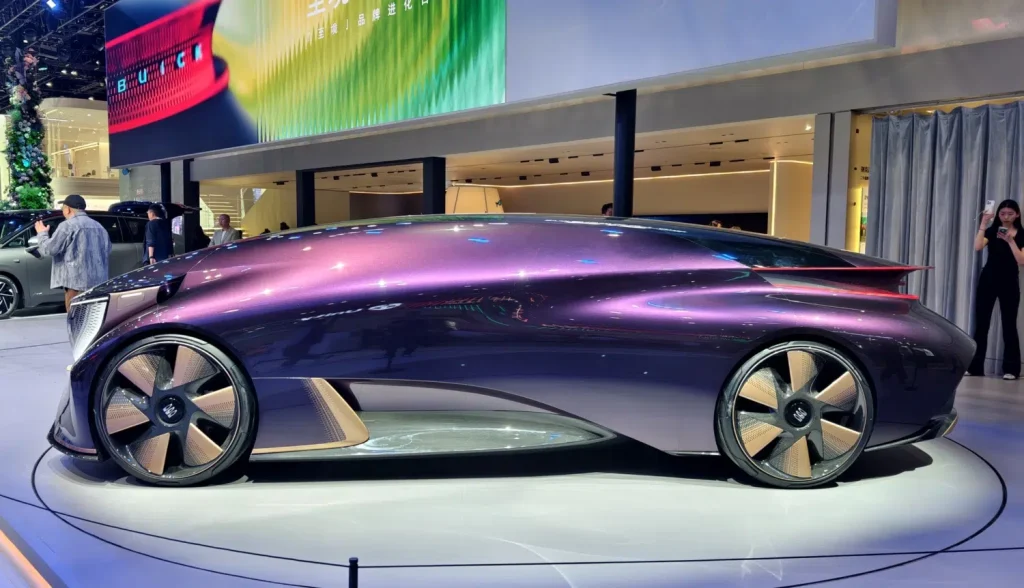
Concept vehicles presented at the 2026 Beijing Auto Show highlight a wide range of design and technology directions, with both domestic and joint-venture brands showcasing experimental and pre-production models.
Expanding design boundaries
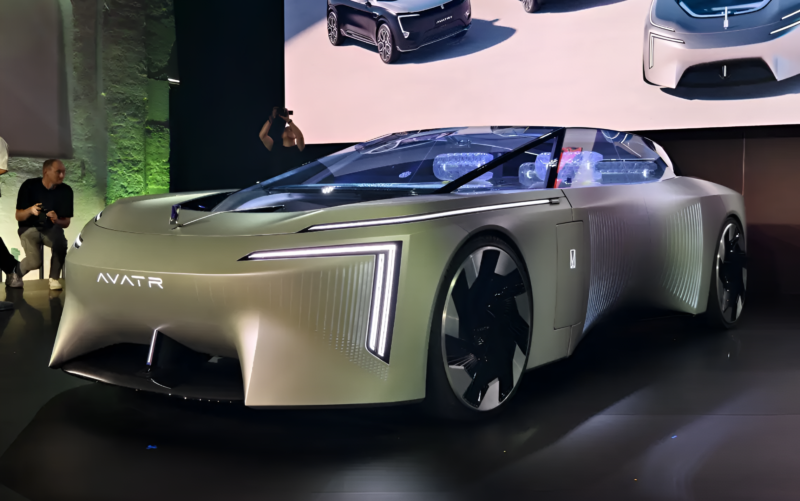
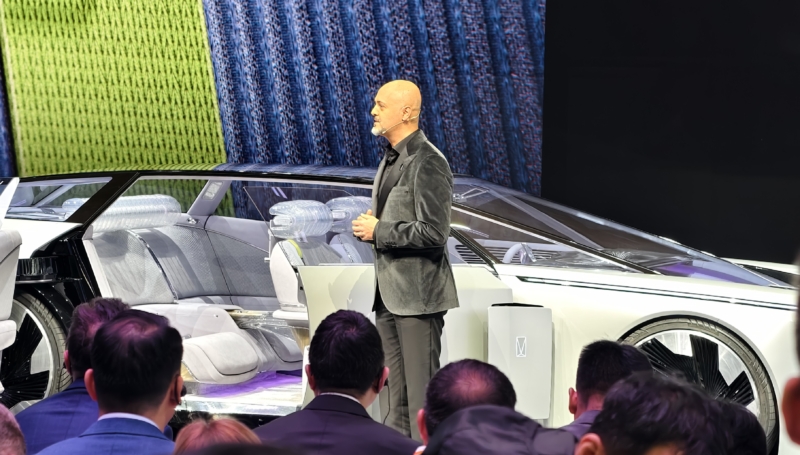
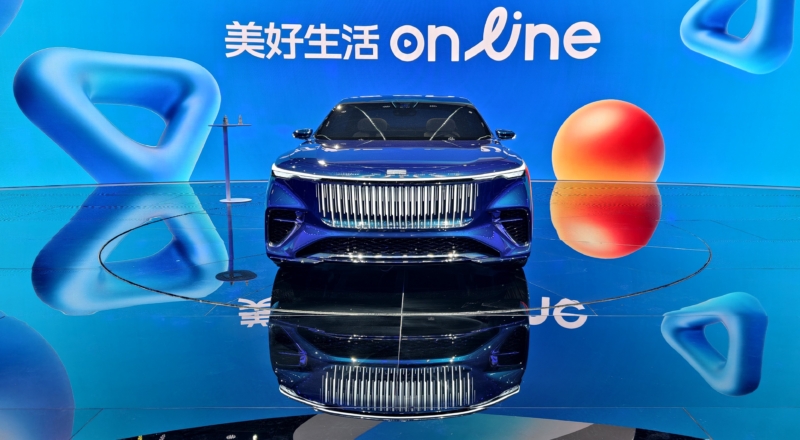
The Avatr Vision Xpectra concept measures approximately 5.8 meters in length and features pillarless coach doors and a full-length glass roof extending from front to rear. The model integrates lidar sensors into the front bumper. It uses a silicon carbide motor with a reported efficiency of up to 99.1%. L4-level hardware has been installed.
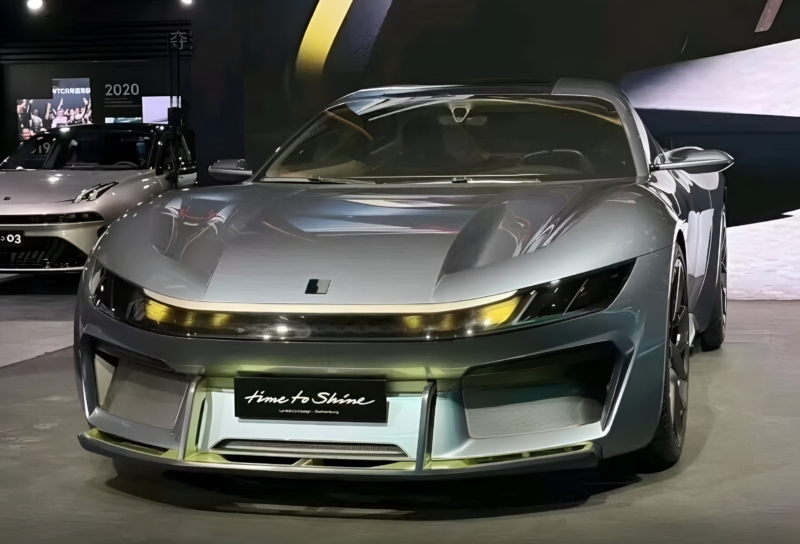
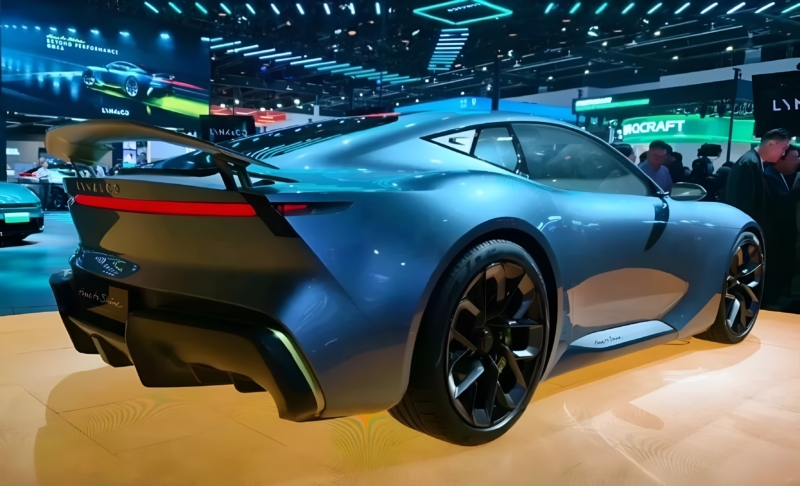
The Lynk & Co GT concept features a low-slung, wide-body coupe. Powertrain specifications have not been confirmed. Some discussions referenced hybrid configurations, including plug-in hybrid systems, but no official specification has been announced.
Shift toward performance and technology integration
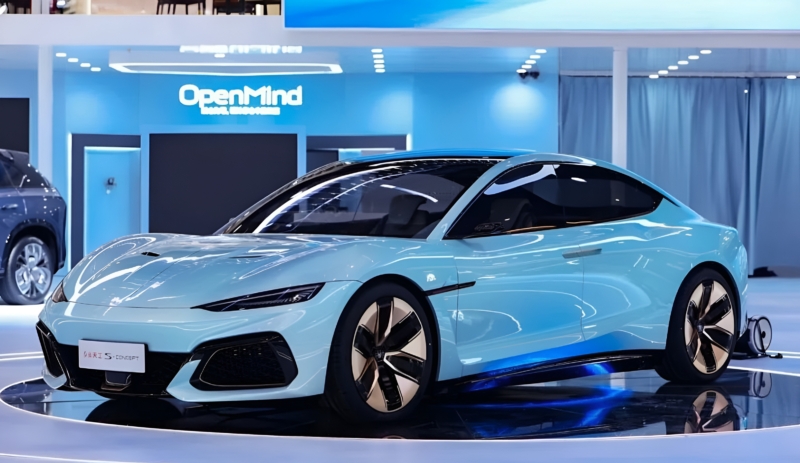
Hongqi’s Tiangong S-Concept features a coupe-style body. The model includes driver assistance systems and cockpit technologies, with no production specifications confirmed at the time of the event.
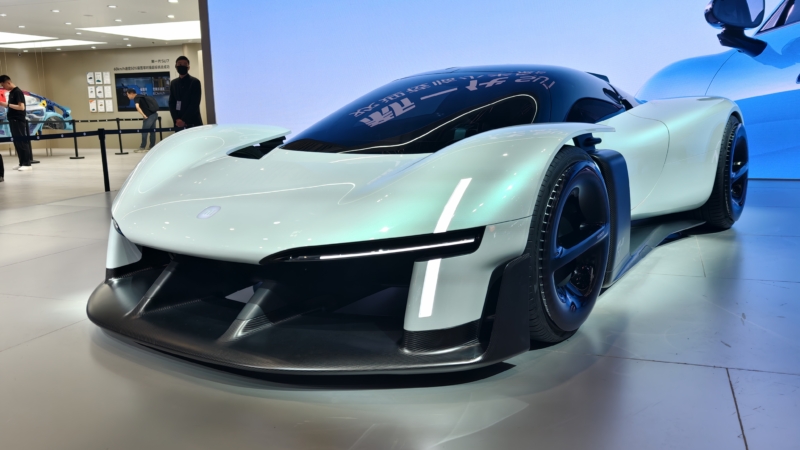
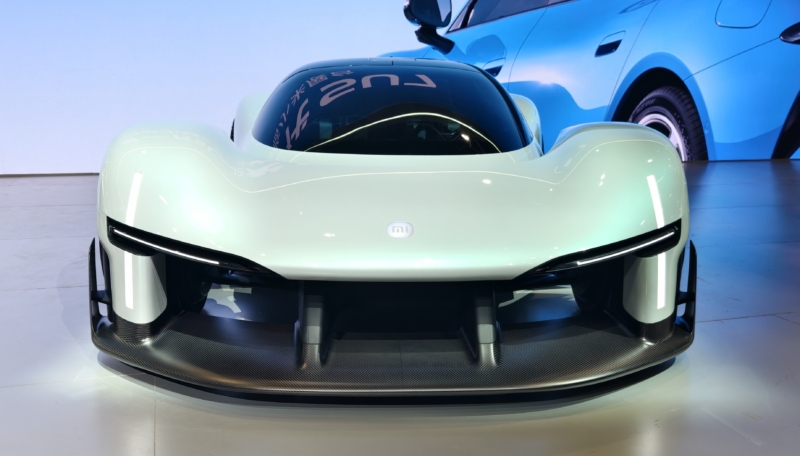
The Xiaomi Vision GT concept was presented alongside a design documentary covering its development process. The vehicle has a reported drag coefficient of 0.29 and a downforce figure of approximately 1.2 tons. The concept includes integration of performance and connected system features. It is not designated for production.
Targeting new segments
BYD introduced the Ocean-V concept as part of the Ocean series. The model is designed with an emphasis on interior space layout and multi-purpose vehicle usage. No production specifications were provided.
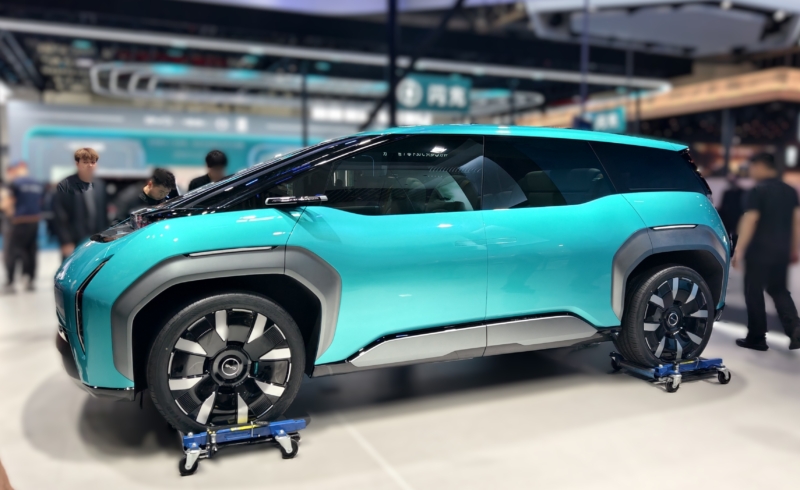
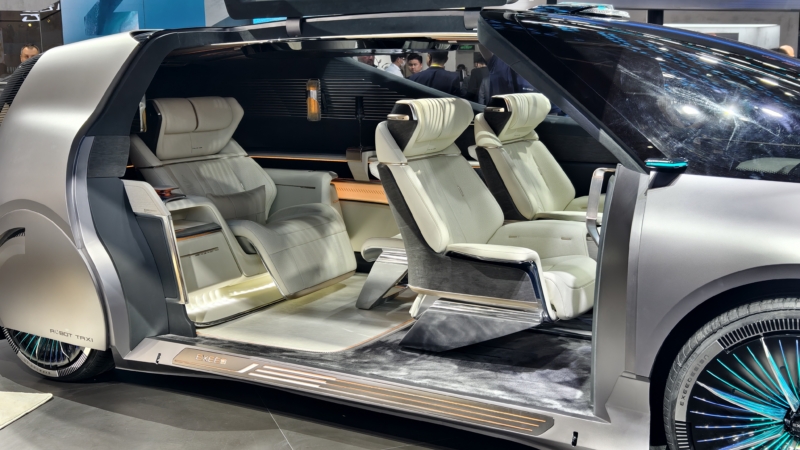
Geely also expanded the 2026 Beijing Auto Show’s autonomy focus by unveiling China’s first native robotaxi prototype, a purpose-built driverless model developed as a Waymo-like platform rather than a converted passenger car.
Geely introduced a robotaxi prototype at the event. The vehicle is described as a native driverless platform based on L4-level architecture. It includes a system called the World Action Model, which combines perception and planning functions.
The vehicle is equipped with multiple sensors and onboard computing systems and does not include conventional driving controls. The system is planned for potential commercial use through Caocao Mobility. A production-oriented version is planned for 2027.
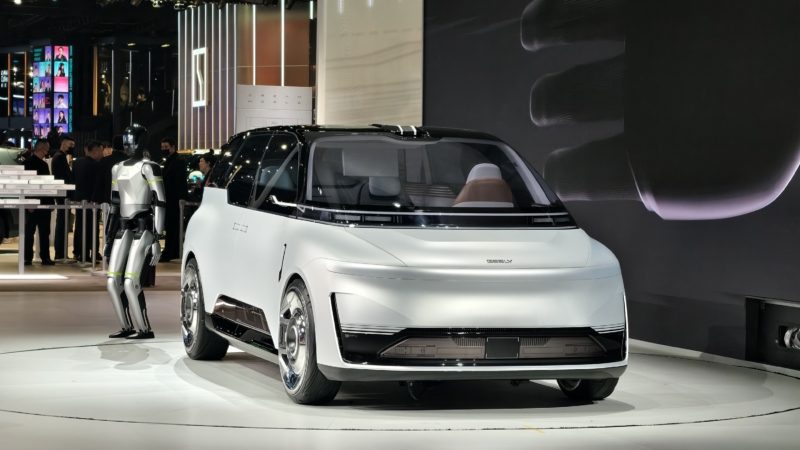
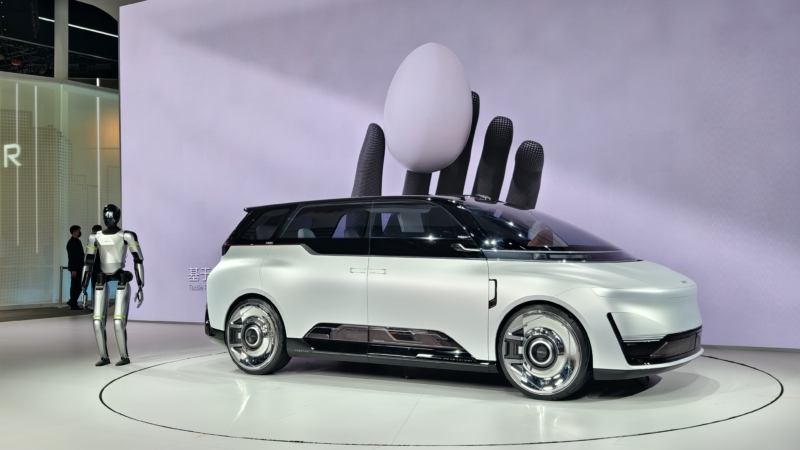
Geely Galaxy Light second-generation concept
Geely also presented the second-generation Galaxy Light concept at the 2026 Beijing Auto Show, introducing an updated design language evolving from “ripple aesthetics” to a “Galaxy Starfall” front-end theme for multi-energy vehicles.
The model features revised lighting elements with architectural-inspired headlights and star-pattern rear lights, along with a higher, more upright stance than the previous generation. The interior features an AI-based “cabin-drive integration” system that combines display, control, and seating elements with Chinese design references.
According to official information, it is equipped with Geely’s AI 2.0 system, a 2160-line digital lidar, and a computing platform exceeding 3000 TOPS, supporting map-free urban navigation and point-to-point assisted driving functions.
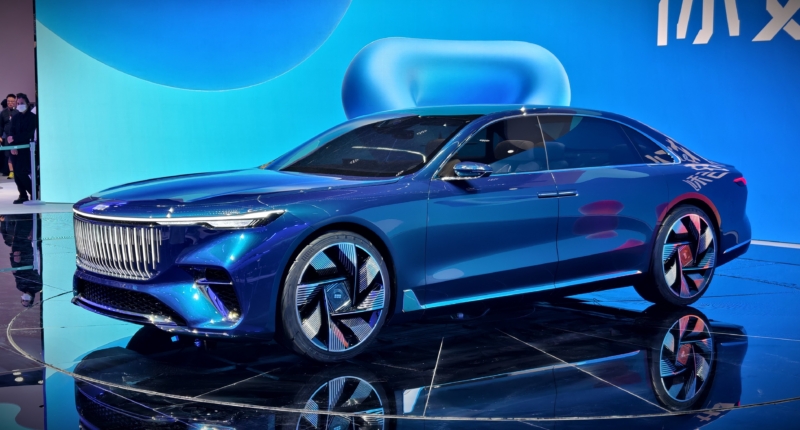
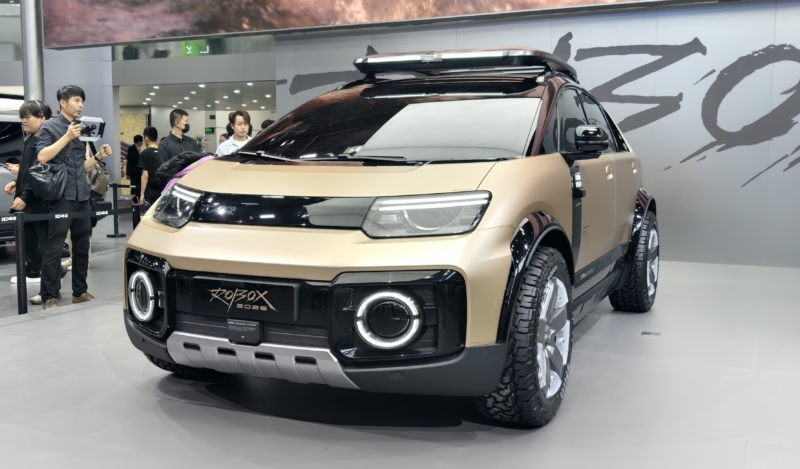
iCAR RoBox concept and i-Swift platform 3.0
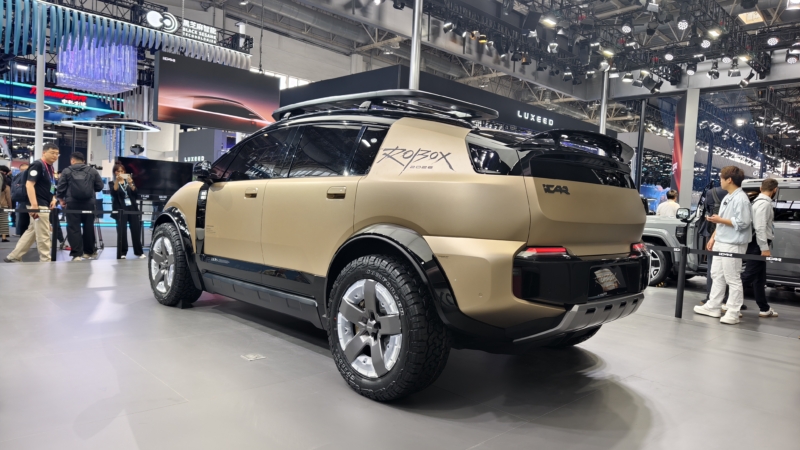
Chery’s iCar RoBox concept was shown as part of the X-series direction. The model combines the terms “ROBOT” and “BOX.” The exterior uses a one-box upper structure with a lower body section featuring high ground clearance, large wheels, and wide wheel arches.
Lighting elements include circular and rectangular shapes. The model includes C-pillar blind windows and a high-mounted brake light. RoBox is associated with the i-Swift platform 3.0. The platform is described as using a high-voltage architecture compatible with lithium-ion and solid-state batteries.
It is designed for megawatt-level charging capability, with axial-flux motors and multi-motor configurations supporting vector torque distribution. L3 to L4-level driving capability and AI-based cabin interaction are included in the described system.
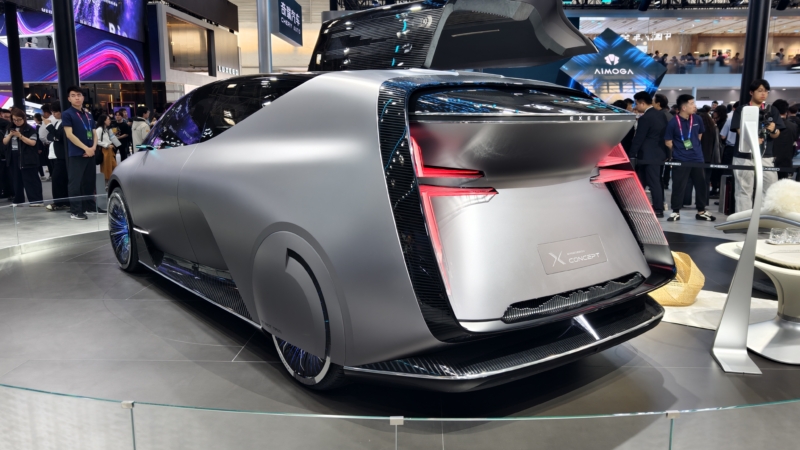
Chery’s X-Concept autonomous concept
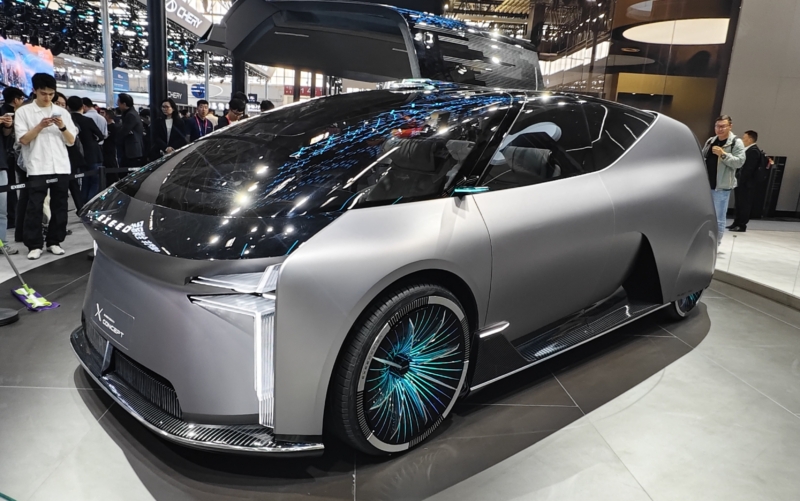
The X-Concept is positioned as a future autonomous mobility concept that combines aerodynamic efficiency with premium design.
It features a streamlined body with front and rear airflow-optimised structures, an active grille that adjusts for cooling and aerodynamics, lightweight aerodynamic wheels, and full-width matrix lighting. The concept previews the brand’s future design and technology direction.
Joint-venture participation
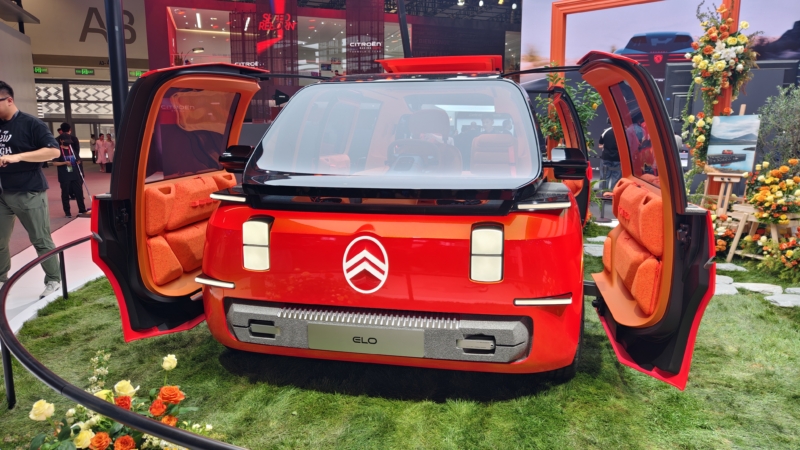
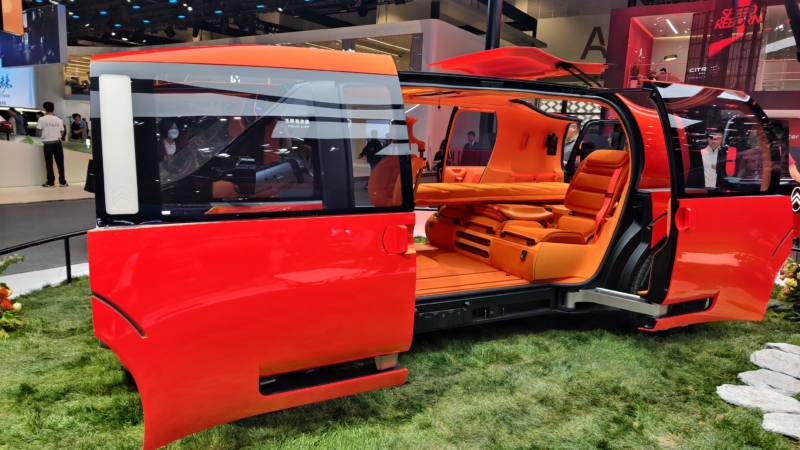
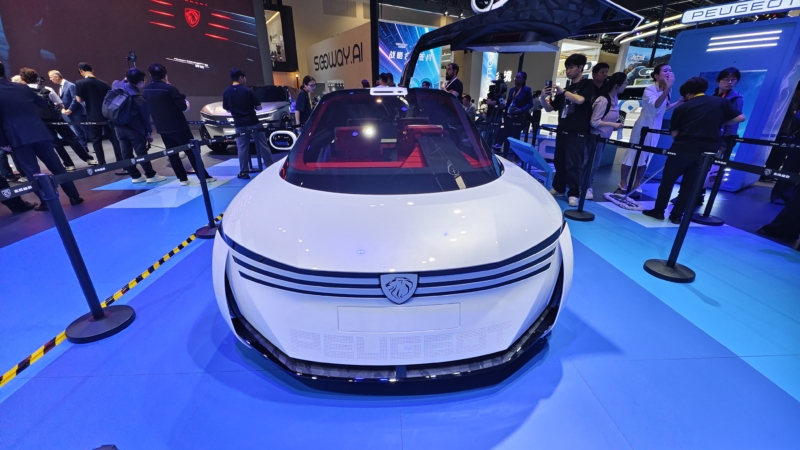
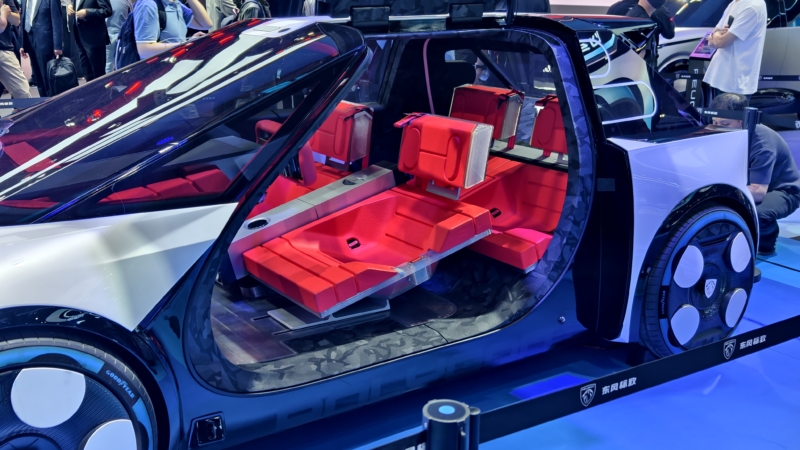
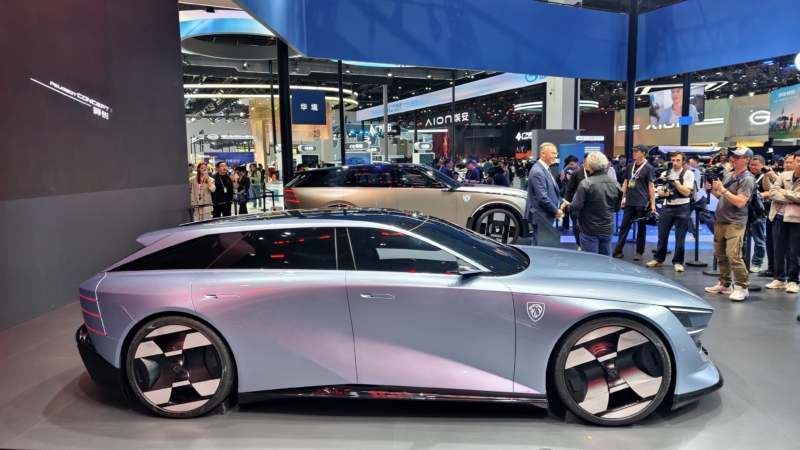
Dongfeng Peugeot and Dongfeng Citroën presented four concept vehicles. The Peugeot Polygon concept includes a rectangular steering interface enabled by steer-by-wire technology. The vehicle also includes 3D-printed recycled materials and configurable interior elements.
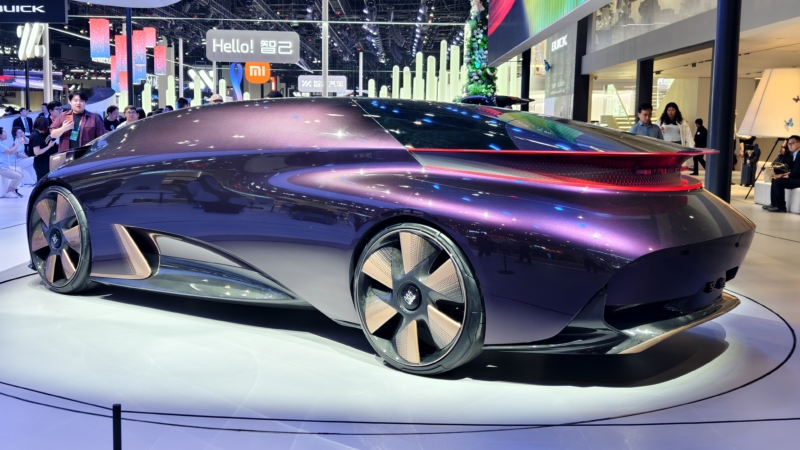
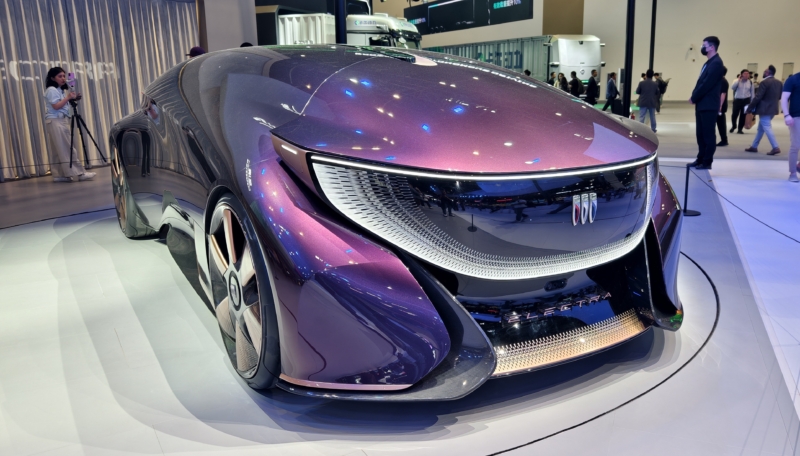
Buick presented an autonomous concept under its Electra sub-brand. The exterior uses a design language referred to as “Floating Wing Shield.” The model includes laser-engraved surface detailing and projection-based display elements. The interior includes a reconfigurable central structure that can fold into a table layout and screen-based control interfaces.
Industry direction
The concept vehicles presented at the event include both design studies and pre-production concepts. Some models include references to advanced driver assistance systems, electric powertrains, and digital cockpit systems. Some concepts do not have confirmed production timelines.