
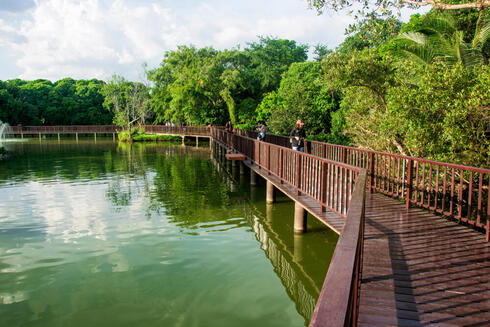
A year ago, she was crossing thousands of miles alone across Australia, sleeping in a camper in the middle of nowhere and getting used to the silence of the savanna. Today, Hagar Reshef, 22, wakes up in a luxury condo in Bangkok, complete with a pool and gym, where she has lived for the past 8 months.
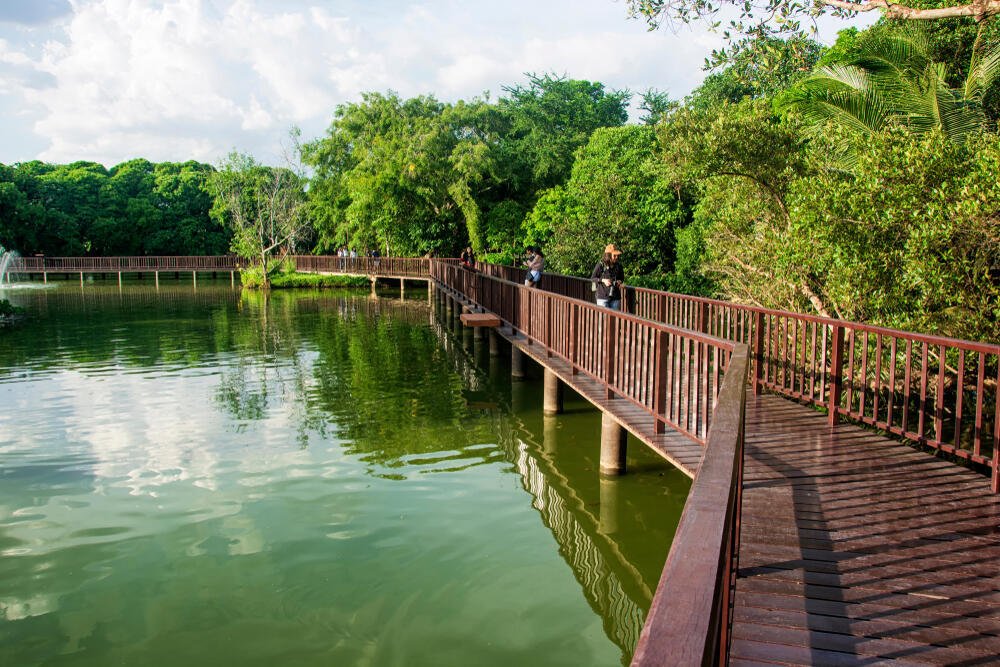
The sharp shift from a solo desert trip to the nonstop pulse of the city did not intimidate her. She found a job in digital marketing and has been exploring the Thai capital ever since. Now, after settling in, she has a list of authentic recommendations for experienced travelers who want to discover Bangkok beyond MBK Center or Khaosan Road.
Speaking with Ynet, she says most of Bangkok’s digital nomads live in condominiums, apartments in shared residential buildings with extensive amenities. “These buildings look like endless identical boxes,” she says with a laugh. “But there’s a pool, a gym, sometimes a bar, sometimes a jacuzzi, saunas and co-working spaces. And it costs what a parking spot costs in Israel. It’s really easy to rent. A broker helps you, and I chose my place because of the balcony view.”
Why Bangkok?
“Thai people are the best in the world, by far. They’re kind, supportive, helpful and relaxed. It’s such a lively, chaotic city, but everyone is still ‘sabai sabai,’ i.e., chill, easy-going nature .”
Asked about Bangkok’s darker sides, she does not hesitate. “I feel extremely safe here. I’ll get on a motorcycle taxi in the middle of the night through the Grab app and not worry at all. I’ve never trusted men the way I trust my Grab drivers,” she says. “There’s also an amazing Jewish community. ‘Beit Elisheva’ is a synagogue I go to almost every week when I’m in the city. People there are genuinely wonderful.”
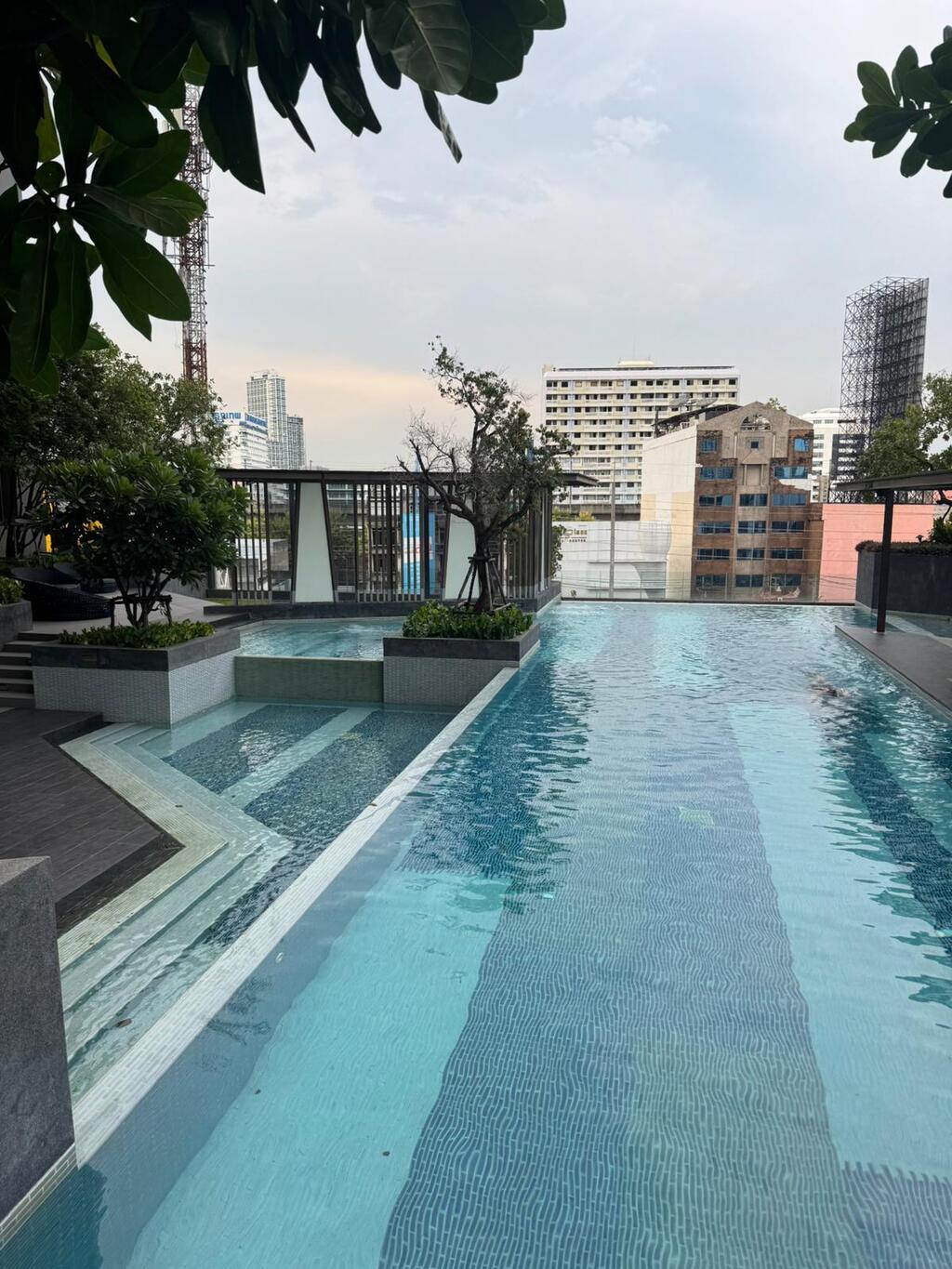
Bang Krachao: a green island in the city
“One of my favorite places. I couldn’t believe it existed,” she says. “You see a city packed with buildings, and suddenly there’s this green circle in the river, an actual island.”
“It includes Lakes, trails, bike rides, small restaurants. It’s barely touristy, perfect for a day trip if you want to escape the city. The second you’re in nature, everything feels calmer.”
16 View gallery
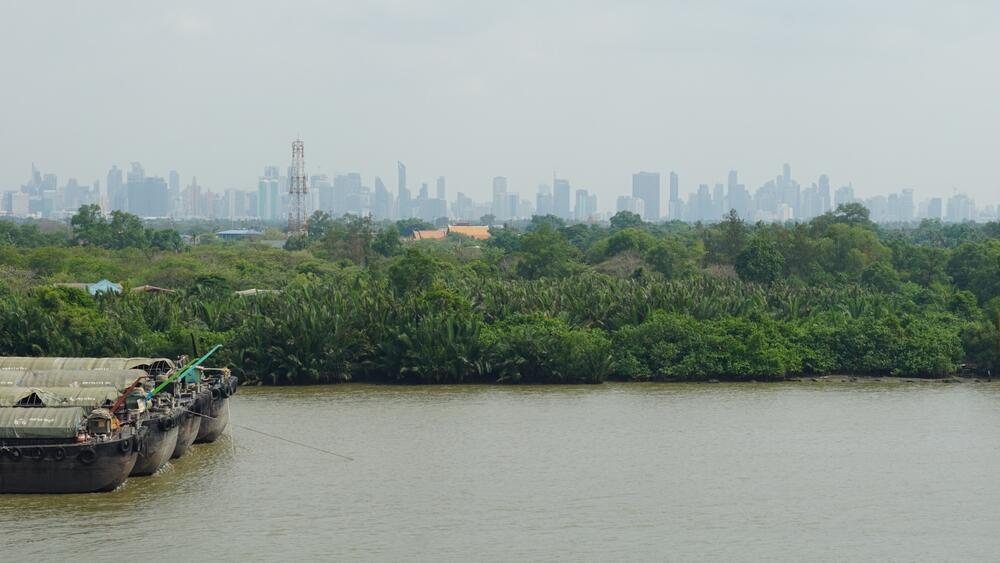
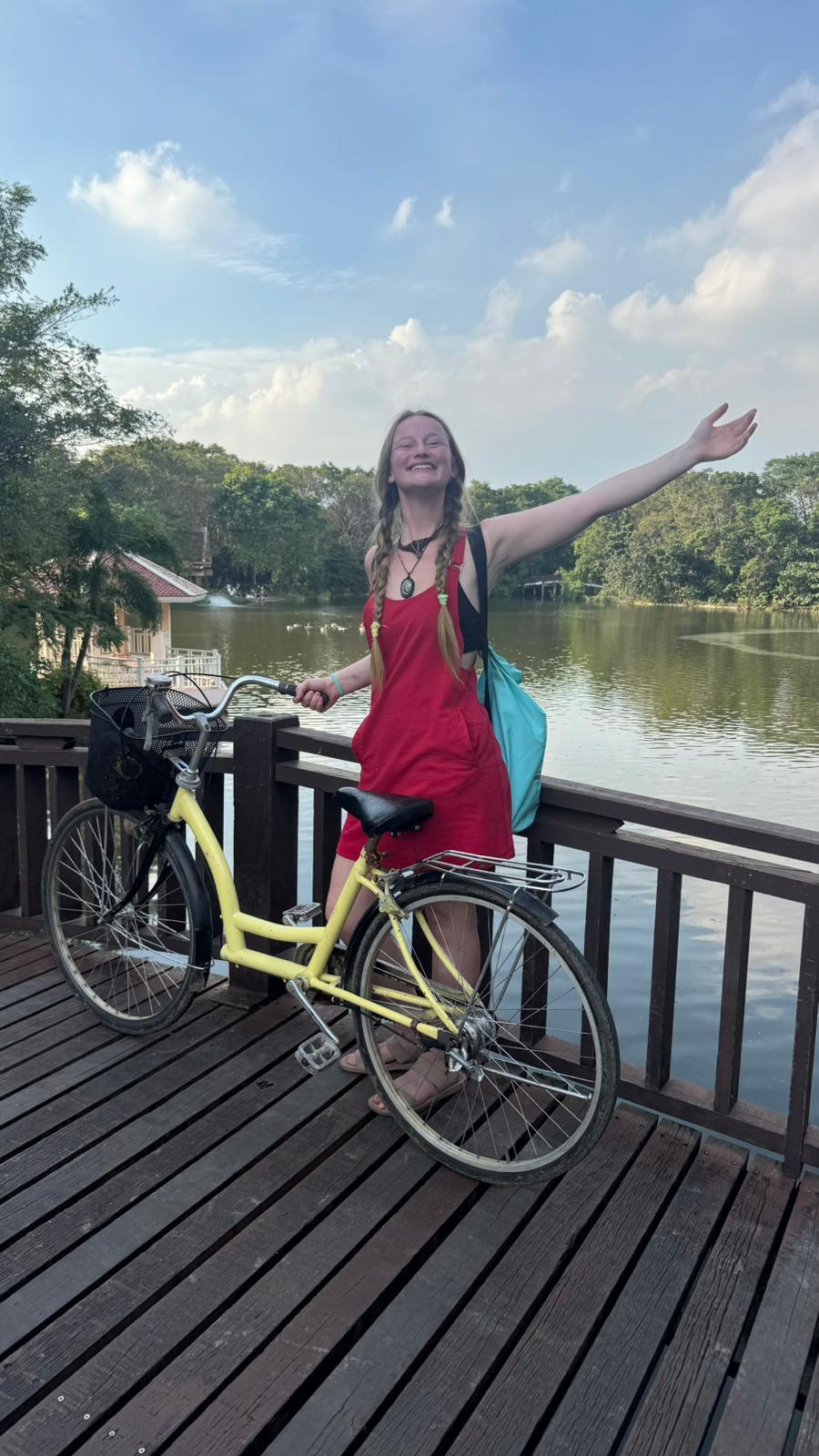
A green oasis set against Bangkok’s skyline
(Photo: Amnat Phuthamrong/ shutterstock)
Getting there is simple. “Go to a pier and take a boat for 20 baht. Not a tourist boat, just local public transport with the engine half sticking out, the way Thais like it.”
She also shares a transportation tip. Instead of sitting in traffic or breathing tuk-tuk fumes, take local boats. “There’s the main river and lots of canals feeding into it. Find the nearest pier on Google Maps. It costs about 18 baht, and I get anywhere in the city by water. It skips all the traffic, and mostly locals use it. Plus, seeing the city from the water is much cooler than sitting in a taxi for an hour.”
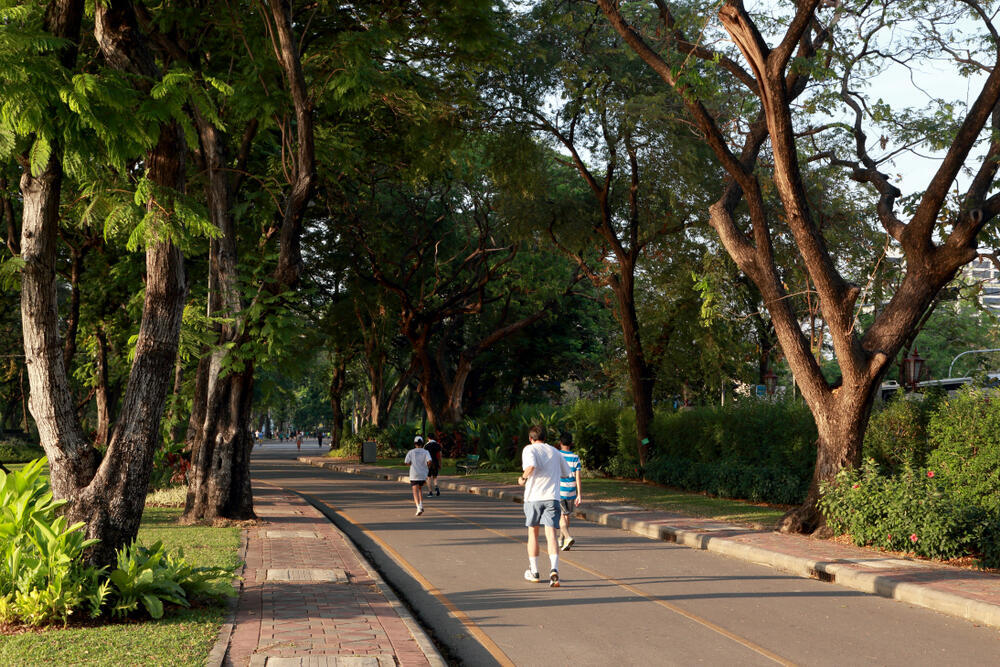
Lumpini Park: yoga and giant lizards
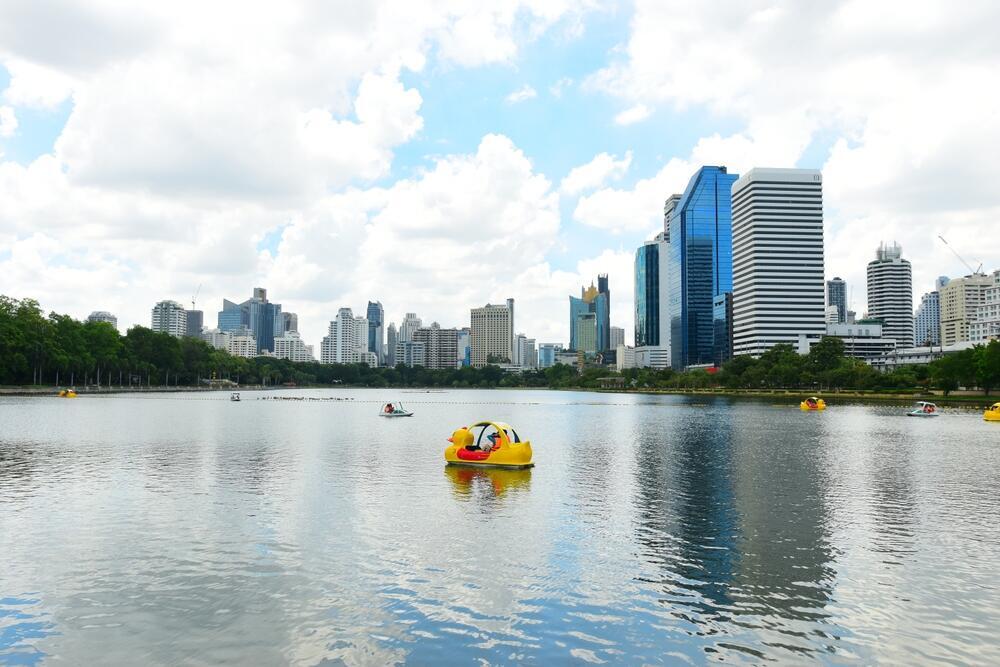
For Reshef, Lumpini Park is more than just green space. It is a ritual. “I come with my yoga mat, lay it out by the lake and practice. It’s my place to disconnect.” The park is vast. “There’s a huge lake, walking paths, a suspension bridge, tons of birds, and giant monitor lizards. If you’re traveling with kids, they’ll love the lizards.”
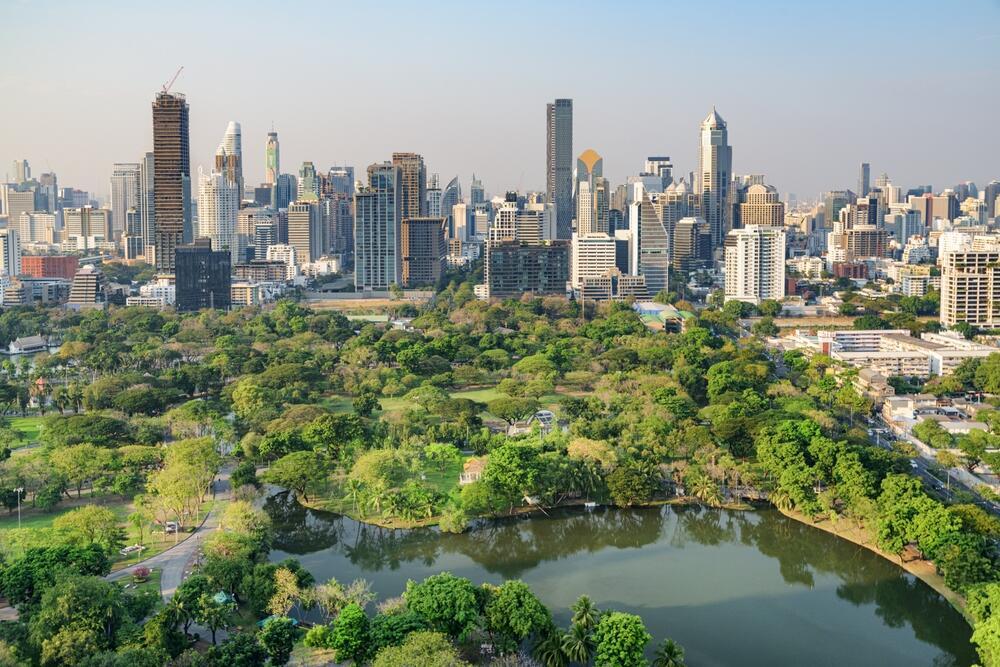

She also has a pro-level food tip to cap off a visit to Bangkok’s largest urban park.
Polo Fried Chicken: Michelin-recognized fried chicken
An exceptional fried chicken restaurant next to the park with a Michelin star. “There’s nothing there except huge fried chicken with rice,” she says. “That’s the idea behind Michelin street food, simple food done perfectly.” The restaurant has been operating for decades and has held a continuous Michelin recommendation since 2018.
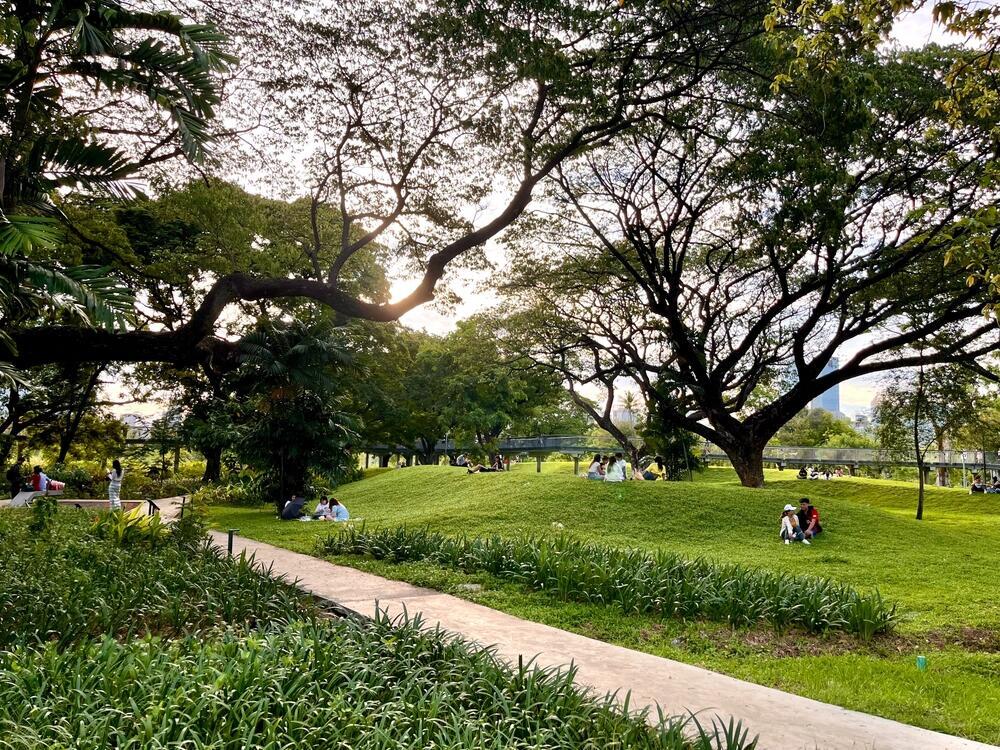
Benjakitti Park: where locals go
“If Lumpini is for tourists, Benjakitti is for locals,” she says. “You’ll see running groups, people doing tai chi on the grass, others sitting on mats at sunset. There are tennis courts, basketball courts, and skateboarding areas. It’s where you see real life.”
Chinatown: not for the squeamish
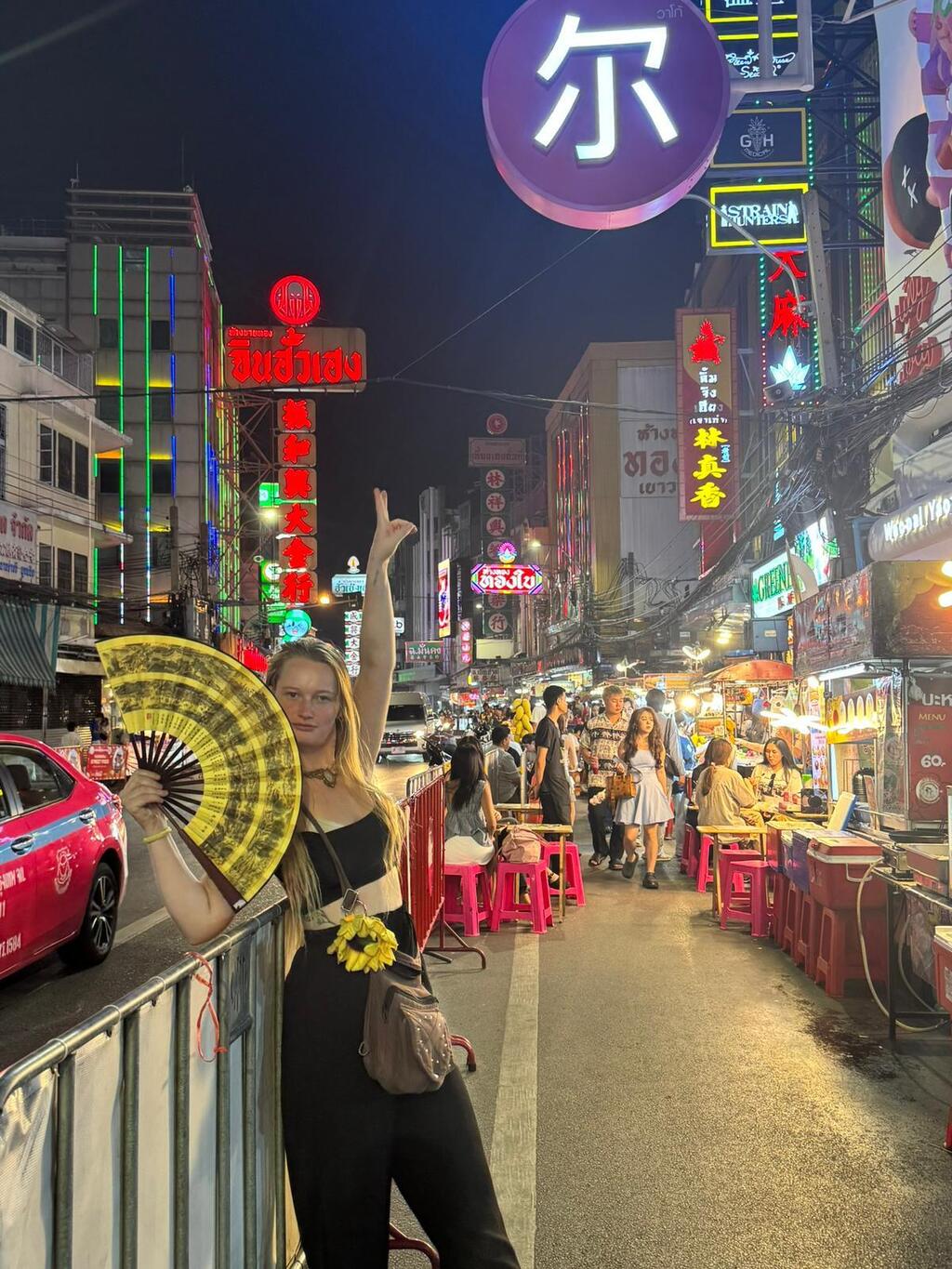
“Don’t expect to shop for clothes,” she warns. “Chinatown here is all about food and art.” She recalls one dish that stood out. “There’s a trendy salad where they boil bugs straight from an aquarium and serve them while they’re still alive. Not for everyone.”
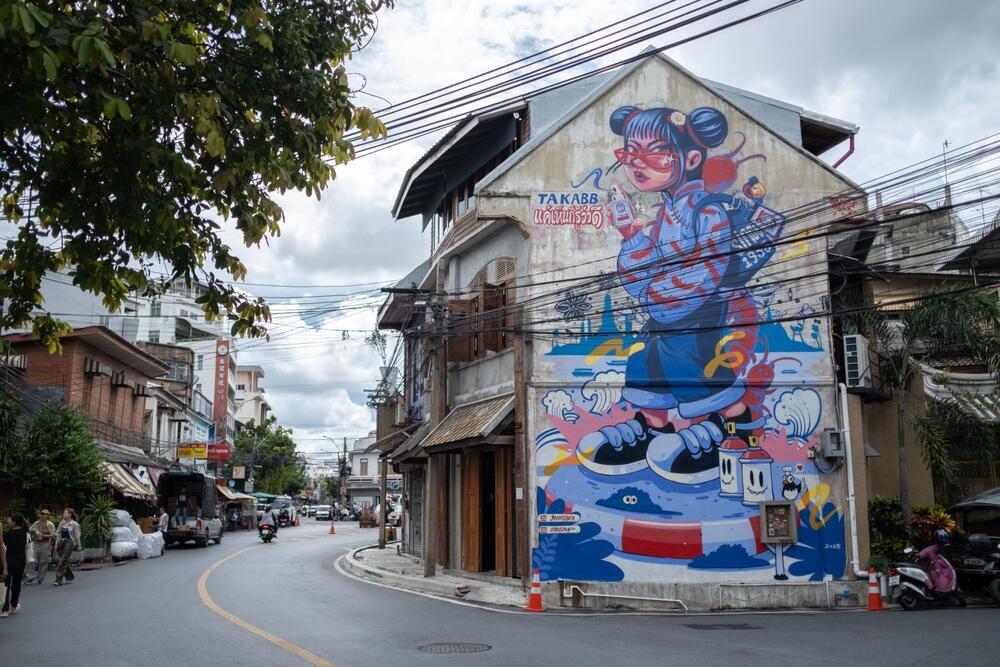
Nearby, Song Wat Road offers a different vibe. “There’s art, graffiti, cafés, live music. It’s where the Thai hipsters hang out.”
Chatuchak weekend market: get lost on purpose
One of the largest weekend markets in the world, colorful, crowded and relatively cheap. Reshef recommends the art section for original pieces and unique souvenirs. Nearby, a vintage mall and Queen Sirikit Park, with its botanical gardens, offer a mix of shopping and nature in the heart of the city.
Lumpinee Boxing Stadium: real Muay Thai
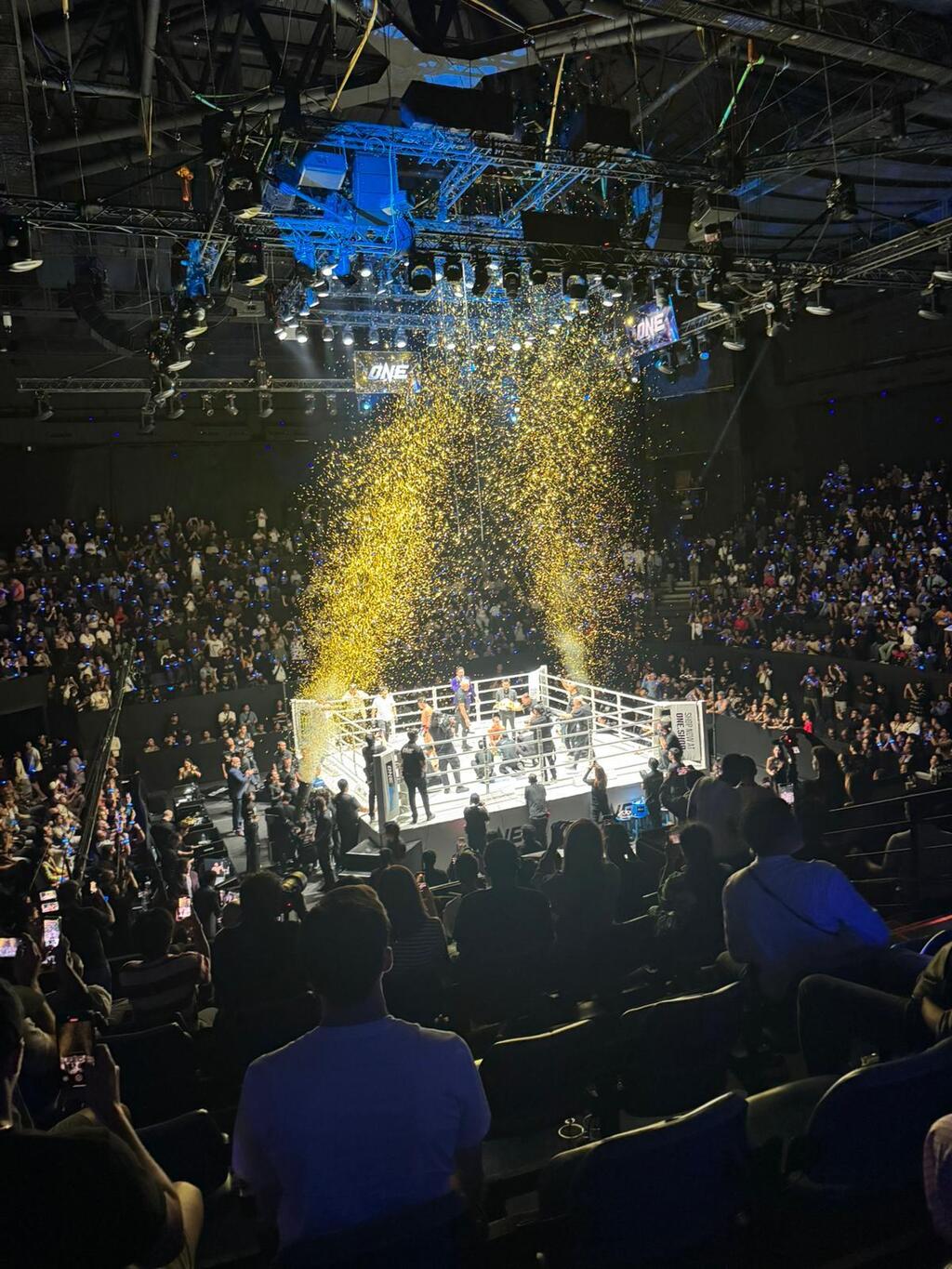
“It was an insane experience,” Reshef enthusiastically recalls a high-end evening of authentic Muay Thai fights at Lumpinee stadium. Tickets can be booked online. “I’m not even into sports, and it felt huge, like an American sporting event with full production.” There are also free matches outside MBK Center on certain Wednesdays.
Curious to dive deeper, she took a Muay Thai class at a local gym. “They didn’t speak a word of English. Just ‘punch, punch, punch.’ By the end, I was exhausted on the floor. We learned kicks, elbows, everything. During sit-ups, they’d punch our stomachs. I said, ‘It hurts,’ and they just laughed.”
Her advice for choosing a gym is simple. Check Google reviews and trust your instincts. “Sometimes there’s no English, and I actually liked that.”
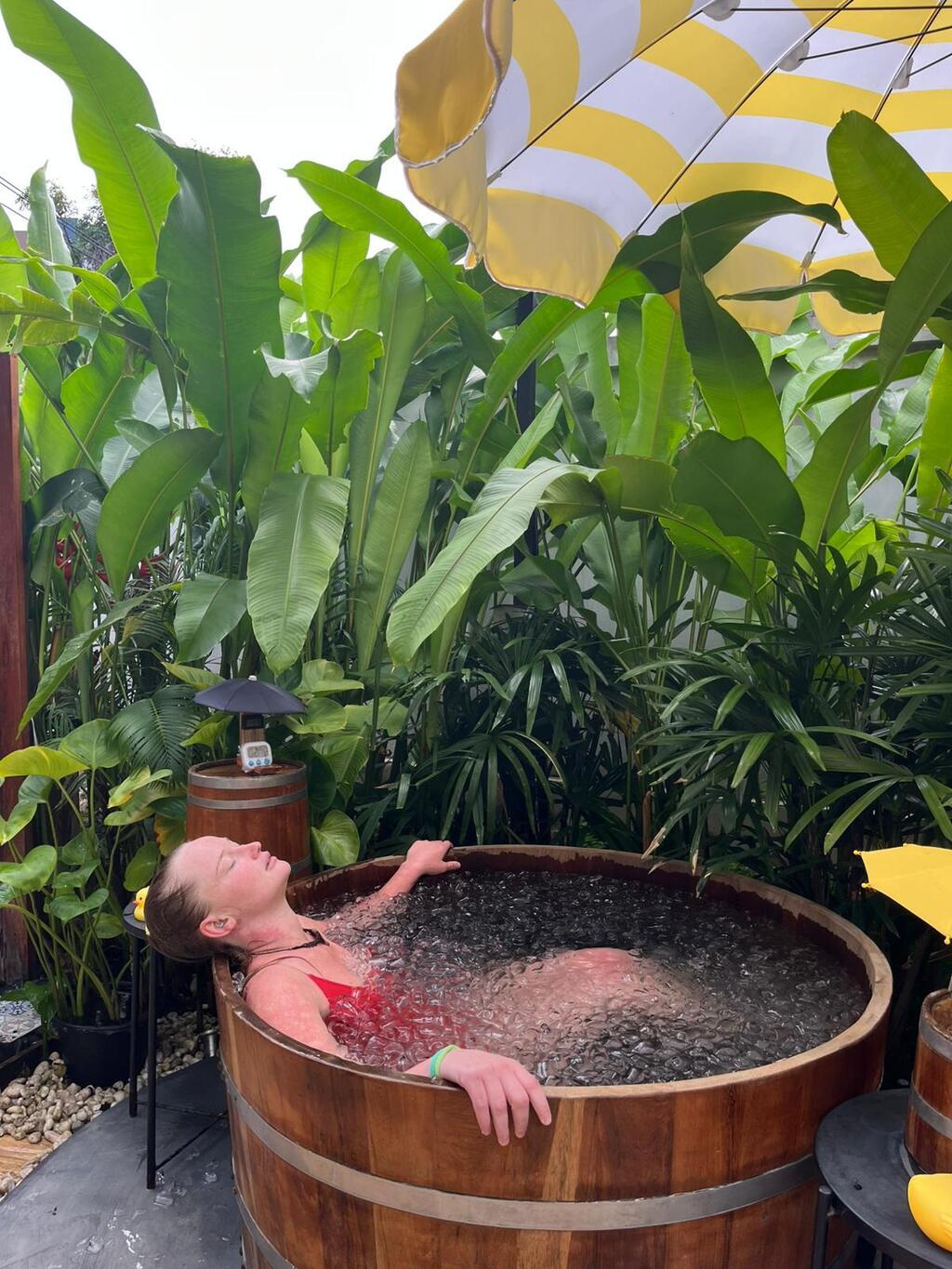
After training comes recovery. “We went for ice baths. That’s my kind of thing,” she says. At ICE HOUSE Rooftop Baths, visitors pay for two hours of access to ice baths and a sauna with sweeping city views.
Cheap eats and a golden rule
“When I finish work and don’t feel like cooking or going out, I order everything from Shinkanzen Sushi. It’s cheaper than cooking.” Those who prefer to dine in can visit a recommended branch of the restaurant.
Her rule for avoiding bad meals is clear. “Use the Michelin app. It’s not just fancy restaurants. Even in malls, check the food court for Michelin recommendations.”
Cabbages & Condoms: dining with a message
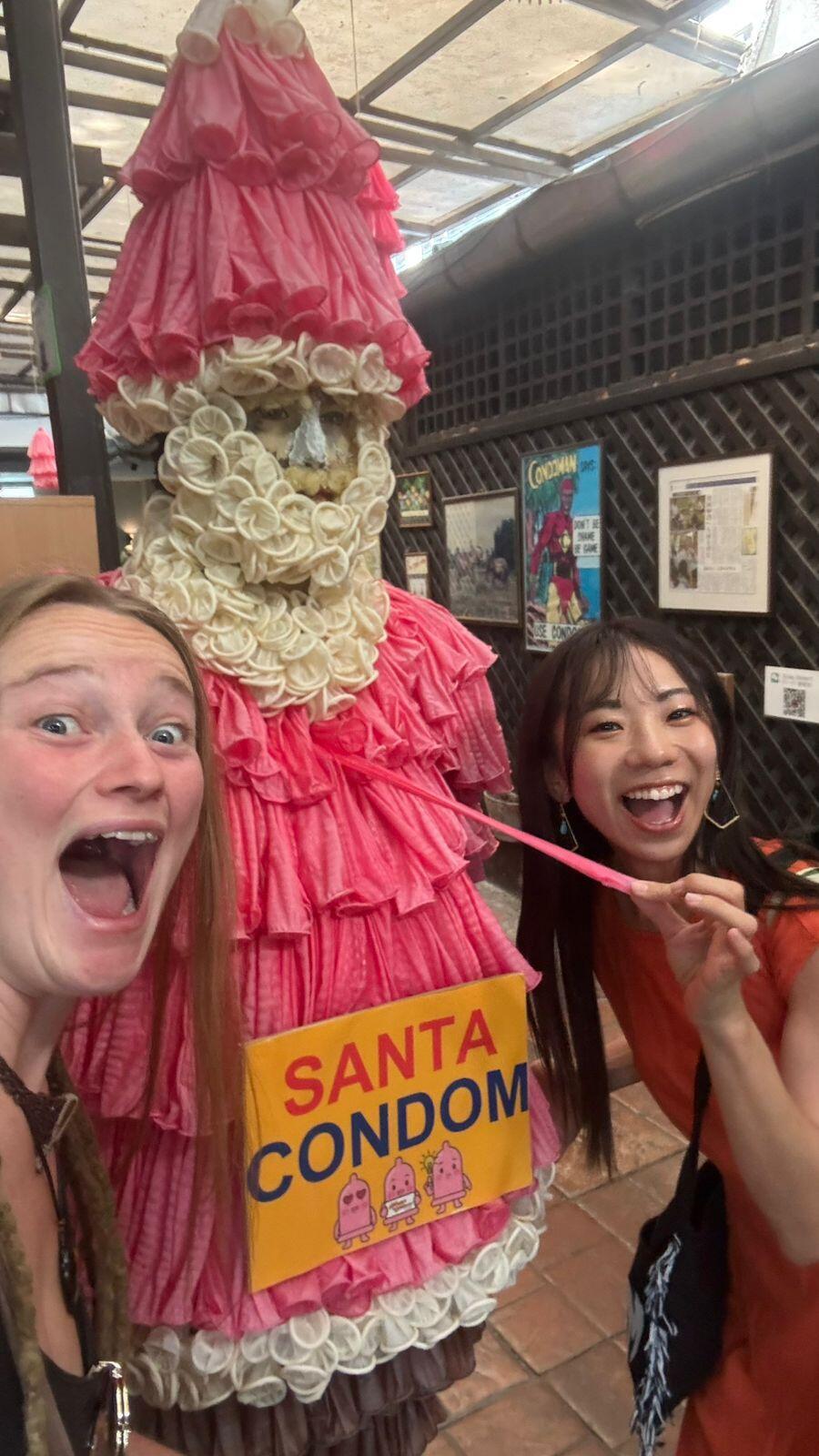
One restaurant stands out for more than its food. “They give out free condoms, and all profits go to an organization promoting sex education in rural areas,” she says. “The food is great, and it’s a funny experience.”
Rooftops: the view is worth it
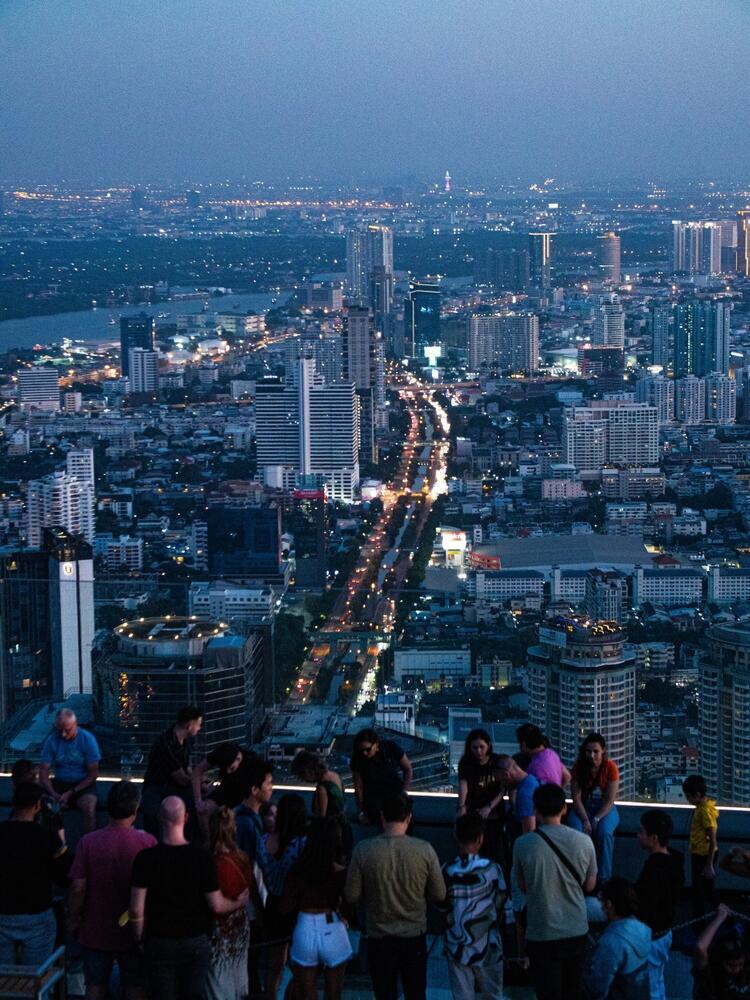
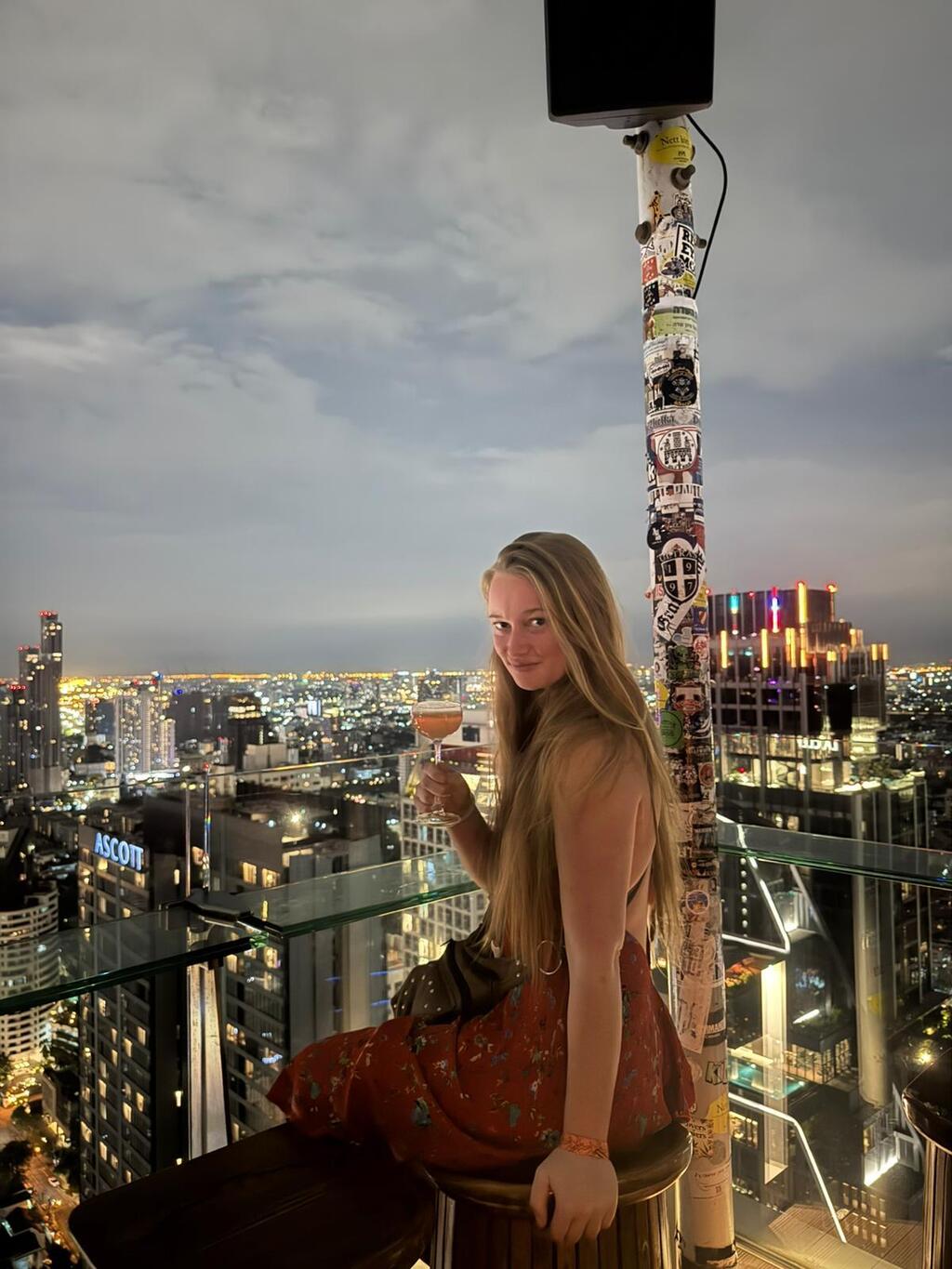
Bangkok’s rooftop scene is booming, but Reshef offers a warning. “You don’t always know what the place looks like, and some charge before you go up.” Still, she insists it is worth it. “The view is everything. Seeing the city from above makes you feel so small. Go at sunset.”
Her favorites include Octave, “which has the best view”, TRIBE Sky Beach Club, with a pool in the middle, and Tulum Skybar, which has a Mexican vibe, tacos, tequila, and a lot of fun.”
Naturally, the conversation turns to Bangkok’s notorious nightlife, which includes a vast and highly visible sex industry. “I don’t enjoy it. I don’t see beauty in it. It’s all prostitution,” she says of the Sukhumvit area, popular with tourists.
“If you dance freely the way you like, it can give the wrong impression. I don’t like the nightlife vibe here,” she adds. “I went on one date in my first month, understood how things work here with men, and realized it’s not for me. I haven’t dated since.”
She says the contrast with Israel is striking. “In Israel, men who want prostitution have to go looking for it. Here, it’s the opposite. Men who don’t want it have to actively say no to women approaching them.”
At the same time, she draws a distinction. “Thai women where I live are educated, their families invest in them, and they have great jobs. They’re serious and incredibly smart. I prefer local clubs, jazz and blues bars, and live Thai music.”