
Published on
July 10, 2026

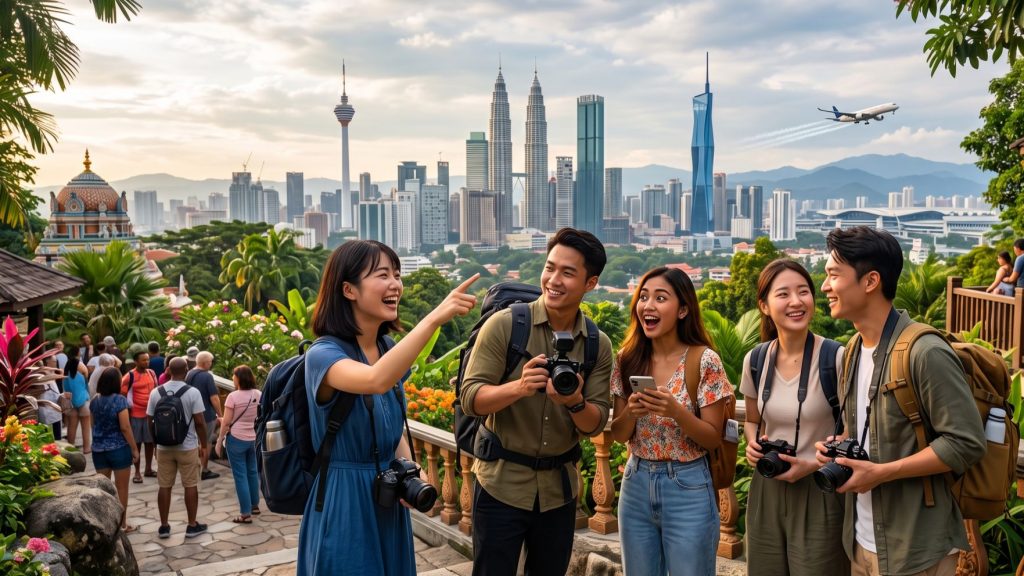
Image generated with Ai
Malaysia is entering a powerful new phase of tourism growth in 2026 as stronger partnerships with Singapore, China, India and global markets accelerate international travel demand. The country recorded 17.5 million international visitor arrivals between January and May 2026, showing strong momentum as Visit Malaysia 2026 drives a nationwide tourism revival. Supported by expanded air connectivity, strategic destination marketing and new tourism data partnerships, Malaysia is positioning itself as one of Southeast Asia’s most competitive travel destinations.
The latest growth reflects a carefully planned strategy. Malaysia is not only focusing on increasing visitor numbers. It is also improving travel experiences, strengthening airline networks, promoting lesser-known destinations and using technology to understand changing traveller behaviour. From China’s growing visitor contribution to India’s expanding outbound market and Singapore’s continued regional importance, Malaysia’s tourism transformation is creating new opportunities for travellers seeking cultural experiences, nature escapes, business connections and affordable international holidays.
How Is Visit Malaysia 2026 Driving a New Tourism Era?
Visit Malaysia 2026 has become the central force behind the country’s tourism expansion strategy. The campaign aims to showcase Malaysia as a diverse destination where modern cities, heritage locations, beaches, rainforests and multicultural experiences come together.
The campaign highlights Malaysia’s unique identity through food, culture, adventure, shopping and nature tourism. It promotes destinations beyond traditional hotspots and encourages travellers to discover different regions across the country.
Advertisement
Advertisement
The government’s approach focuses on improving the complete visitor journey. This includes easier access, stronger airport facilities, better tourism products and closer cooperation between tourism businesses, airlines and international partners.
Malaysia’s tourism sector has moved beyond recovery. The country is now competing for a larger share of global travel demand. With international visitors increasing and new partnerships developing, Visit Malaysia 2026 is helping create a stronger tourism ecosystem.
Advertisement
Advertisement
The campaign also supports economic growth. Tourism contributes to hotels, restaurants, transport providers, attractions, local communities and small businesses. Every international visitor creates opportunities across multiple parts of the economy.
Why Are China and Malaysia Becoming Stronger Tourism Partners?
China has become one of Malaysia’s most important tourism growth markets in 2026. Visitor numbers from China have increased significantly as air connectivity improves and promotional activities expand.
Tourism Malaysia reported that China contributed around 1.4 million visitor arrivals during the first quarter of 2026, representing significant year-on-year growth. Improved flight connections have played a major role in supporting this increase, with hundreds of weekly flights connecting Chinese cities with Malaysia.
The relationship between Malaysia and China is strengthened by long-standing cultural, economic and tourism cooperation. Chinese travellers continue to show strong interest in Malaysia because of its shopping opportunities, food culture, island destinations, family attractions and multicultural environment.
Malaysia has also increased promotional activities in Chinese cities through tourism trade missions. These initiatives connect Malaysian tourism companies with Chinese travel agencies, businesses and consumers.
The growth of China’s outbound tourism market creates major opportunities for Malaysia. More direct flights, stronger marketing and easier travel planning are encouraging Chinese travellers to choose Malaysia as a preferred Southeast Asian destination.
Advertisement
Advertisement
For visitors, this means more travel options, improved connectivity and greater opportunities to explore destinations such as Kuala Lumpur, Penang, Sabah, Sarawak and Langkawi.
How Is India Strengthening Malaysia Tourism Growth?
India has become another strategic market supporting Malaysia’s tourism expansion. Growing outbound travel from India, combined with strong cultural connections, is creating new opportunities for both countries.
Malaysia has increased promotional activities in India through Visit Malaysia 2026 roadshows and tourism partnerships. These programmes connect Malaysian tourism operators with Indian travel professionals and highlight experiences designed for Indian travellers.
Indian visitors are attracted to Malaysia because of its affordability, food options, family-friendly attractions and cultural similarities. The country also offers strong appeal for honeymoon tourism, shopping holidays, luxury travel and nature-based experiences.
Malaysia’s Muslim-friendly tourism facilities also provide an important advantage for Indian travellers seeking comfortable international destinations.
Improving flight connectivity between India and Malaysia has made travel more accessible. More convenient routes help encourage repeat visits and support longer tourism stays.
Advertisement
Advertisement
The India-Malaysia tourism relationship reflects a broader regional trend. Asian travellers are increasingly exploring nearby international destinations and Malaysia is positioning itself to capture this growing demand.
Why Does Singapore Remain a Critical Tourism Partner for Malaysia?
Singapore continues to hold a unique position in Malaysia’s tourism development because of its geographical closeness and strong transport links.
The two countries share one of Southeast Asia’s most active travel connections. Millions of people travel between Singapore and Malaysia for leisure, business, family visits and short breaks.
Singapore visitors contribute significantly to Malaysia’s tourism economy, particularly in destinations close to the border such as Johor. Kuala Lumpur, Penang and Malacca also benefit from Singapore travellers seeking food, shopping, culture and weekend experiences.
The partnership between Malaysia and Singapore represents the wider growth of ASEAN tourism. Regional travellers increasingly combine multiple destinations within one trip, creating opportunities for cross-border tourism packages.
Improved connectivity between ASEAN countries is helping Southeast Asia become a more integrated travel region. Malaysia benefits from this trend because of its central location, diverse attractions and strong international aviation links.
Advertisement
Advertisement
For travellers, stronger Malaysia-Singapore cooperation means easier journeys, more travel combinations and greater flexibility when planning Southeast Asian holidays.
How Is Expanded Air Connectivity Transforming Malaysia Travel?
Air connectivity is one of the strongest foundations behind Malaysia’s tourism growth in 2026. More flights create easier access, reduce travel barriers and encourage international visitors to choose Malaysia.
Malaysia’s airports, especially Kuala Lumpur International Airport, continue to serve as important gateways connecting Asia and the wider world.
Growth in routes between Malaysia and China has been particularly important. Additional flight frequencies and increased seat capacity are helping support rising visitor numbers.
India connectivity is also becoming increasingly important as demand for international travel grows among Indian consumers. More convenient air links allow travellers to discover Malaysia’s cities, islands and cultural attractions.
Regional connectivity with Singapore and other ASEAN countries further strengthens Malaysia’s position as a travel hub.
Advertisement
Advertisement
The aviation sector and tourism industry are closely connected. When airlines expand routes, destinations gain greater visibility. Hotels, attractions and local businesses benefit from increased visitor flows.
Malaysia’s tourism future depends heavily on maintaining strong airline partnerships and continuing to improve accessibility for travellers worldwide.
How Are Tourism Data Partnerships Changing Visitor Experiences?
Technology and data are becoming essential parts of modern tourism planning. Malaysia is increasingly using tourism intelligence to understand visitors and improve destination strategies.
Tourism data partnerships with global platforms help identify travel trends, visitor preferences and emerging opportunities. These insights allow Malaysia to create more effective marketing campaigns and improve tourism services.
Partnerships involving tourism intelligence providers, including global travel platforms, support better understanding of traveller behaviour. Data can help identify popular destinations, spending patterns and visitor expectations.
This approach allows Malaysia to move towards smarter tourism management. Instead of relying only on traditional promotion, the country can use information to make more targeted decisions.
Advertisement
Advertisement
Digital tourism tools also benefit travellers. Better online information, improved destination visibility and personalised travel recommendations help visitors plan easier and more rewarding journeys.
Malaysia’s adoption of data-driven tourism reflects a wider global transformation. Successful destinations increasingly combine attractions with technology to create stronger visitor experiences.
What Role Do Emerging Global Markets Play in Malaysia Tourism?
While China, India and Singapore remain major priorities, Malaysia is also expanding its focus towards wider international markets.
Central Asian countries and other emerging markets represent new opportunities because travellers from these regions are increasingly exploring overseas destinations.
Malaysia’s diverse tourism products make it attractive to different visitor groups. Beach holidays, cultural tourism, adventure travel and shopping experiences allow the country to appeal to many types of travellers.
The government’s international promotion strategy focuses on creating balanced growth. Malaysia aims to strengthen established markets while developing new visitor sources.
Advertisement
Advertisement
This diversification reduces dependence on individual markets and creates a more stable tourism industry.
As global travel patterns continue changing, Malaysia’s ability to connect with different regions will remain a major advantage.
What Does Malaysia Tourism Growth Mean for Future Travellers?
The rapid expansion of Malaysia tourism in 2026 creates significant benefits for travellers. More international partnerships, stronger air connectivity and improved tourism services mean visitors can expect greater choice and convenience.
Travellers can access more flight options, discover more destinations and experience a wider range of activities across Malaysia.
The country’s tourism growth also supports new experiences. Visitors can explore cultural festivals, natural landscapes, food destinations and emerging locations that were previously less recognised internationally.
Malaysia’s partnerships with Singapore, China, India and global markets demonstrate how regional cooperation can transform travel opportunities.
Advertisement
Advertisement
The arrival of 17.5 million international visitors between January and May 2026 signals strong confidence in Malaysia’s tourism future. With Visit Malaysia 2026, expanded connectivity and smarter tourism strategies, Malaysia is strengthening its position as one of Southeast Asia’s leading travel destinations.
For future travellers, this means Malaysia is becoming more accessible, more connected and more prepared to deliver memorable international experiences.
Advertisement
Advertisement
