

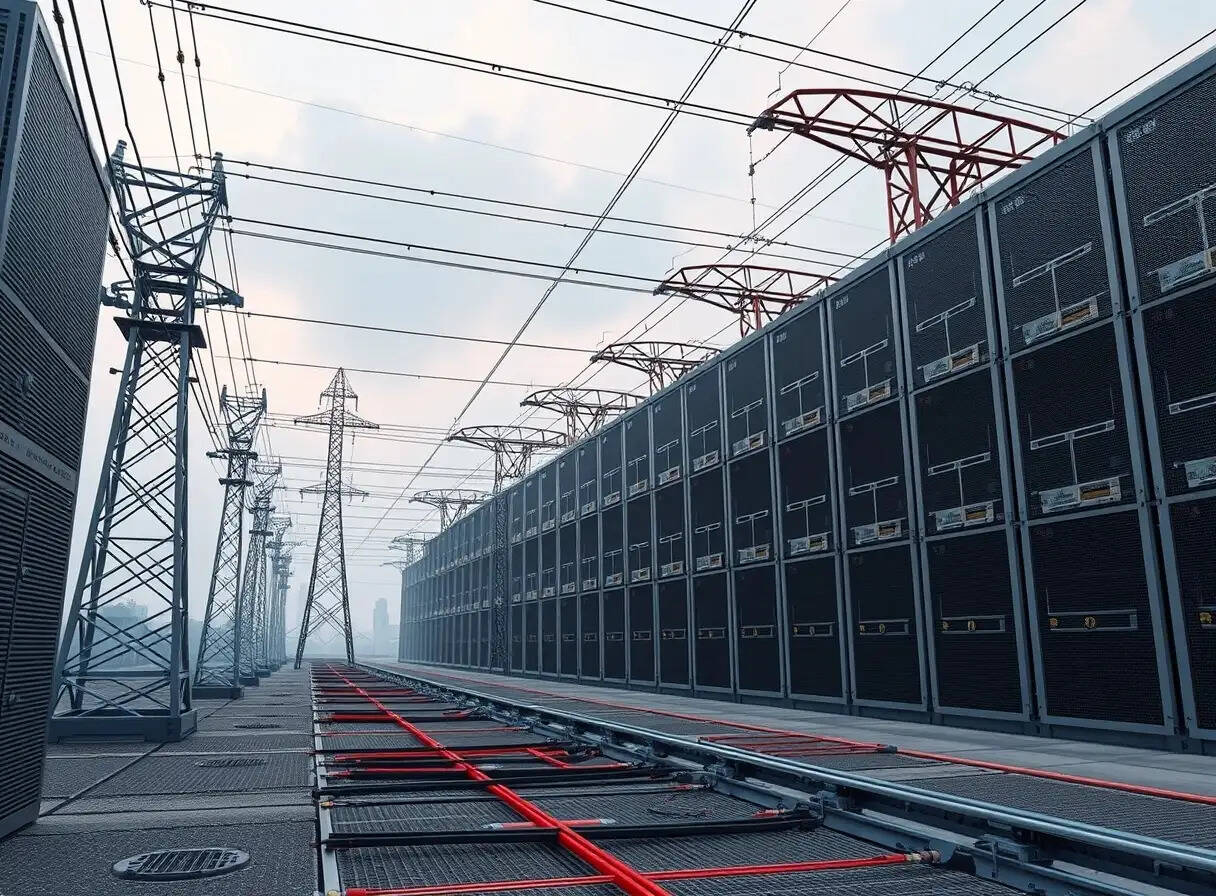
As Johor emerges as a digital infrastructure hotspot in Southeast Asia, the state is grappling with a new challenge: ensuring its power grid can keep pace with the explosive growth of data centers. With the region attracting record levels of investment in digital infrastructure, questions are mounting over whether energy supply can match surging demand — and what that means for the broader Malaysian economy.Johor’s ascent as a digital hubThe southern Malaysian state of Johor has recently become a magnet for data center developers, thanks to its proximity to Singapore and a growing ecosystem of technology investments. Industry analysts have highlighted that Johor is now one of the most attractive destinations in Southeast Asia for hyperscale data center projects, which require enormous amounts of reliable electricity.According to projections reported by DIGITIMES, data centers could account for up to 40% of Johor’s electricity consumption by 2035. This growth trajectory signals not only a transformation of the local economy but also a looming test for the region’s energy infrastructure.Energy strain: A looming bottleneckThe influx of data center projects is putting unprecedented pressure on Johor’s electricity grid. Many industry stakeholders are raising alarms that without significant upgrades and new investments in power generation and transmission, there could be constraints on both existing businesses and incoming digital infrastructure projects.Malaysia’s national energy utility, Tenaga Nasional Berhad (TNB), has already flagged the need for coordinated strategies to balance industrial growth with sustainable electricity supply. The challenge is not just about increasing capacity but also ensuring grid stability and resilience as demand spikes in concentrated regions. As digital infrastructure accelerates, the risk of outages or bottlenecks grows, which could impact everything from cloud computing services to manufacturing operations dependent on high-availability systems.Regional competitiveness and policy considerationsJohor’s emergence as a digital hub is partly driven by spillover from Singapore, where land and energy for new data centers are in short supply. However, as Malaysia competes with neighboring countries to attract more tech investment, reliable and sustainable power has become a key differentiator. Policymakers are now under pressure to devise frameworks that can support both economic growth and environmental targets.The Malaysian government has previously indicated a commitment to renewable energy and smart grid upgrades as part of its national development blueprint. Integrating green energy sources such as solar and hydropower will be critical if Johor’s data center industry is to grow without exacerbating carbon emissions — a concern that is increasingly top-of-mind for international investors and technology partners.Lessons from regional peersOther Southeast Asian economies have faced similar challenges as digital infrastructure expands. For example, Vietnam and Indonesia have had to accelerate grid investments to avoid power shortages as their own data center sectors grow. Singapore’s moratorium on new data center construction, implemented in 2019 and partially lifted in 2022, was a direct response to electricity constraints and sustainability goals. These regional precedents underscore the importance of proactive planning.Implications for the broader Malaysian economyThe outcome of Johor’s power challenge will have implications that extend far beyond the data center industry. High-availability digital infrastructure is foundational for sectors ranging from finance and e-commerce to healthcare and logistics. If power constraints persist, Malaysia risks losing its competitive edge in the digital economy to better-prepared neighbors.Furthermore, the drive to upgrade electrical infrastructure could spur innovation in energy storage, grid management, and renewable integration. This could open opportunities for Indian and ASEAN energy tech companies seeking to expand into Malaysia’s rapidly changing market.The road ahead: Can growth and sustainability align?As the data center pipeline in Johor continues to expand, the interplay between digital expansion and energy sustainability will remain a focal point for policymakers, investors, and technology leaders. Strategic investments in grid modernization, regulatory clarity, and renewable energy adoption will be essential to ensure that Malaysia not only meets immediate demand but also builds a resilient foundation for future growth.The coming decade will determine whether Johor can sustain its momentum as a digital infrastructure powerhouse without sacrificing energy reliability or environmental responsibility. The eyes of Southeast Asia’s tech industry will be watching closely as Malaysia navigates this high-stakes balancing act.