
Published on
June 1, 2026

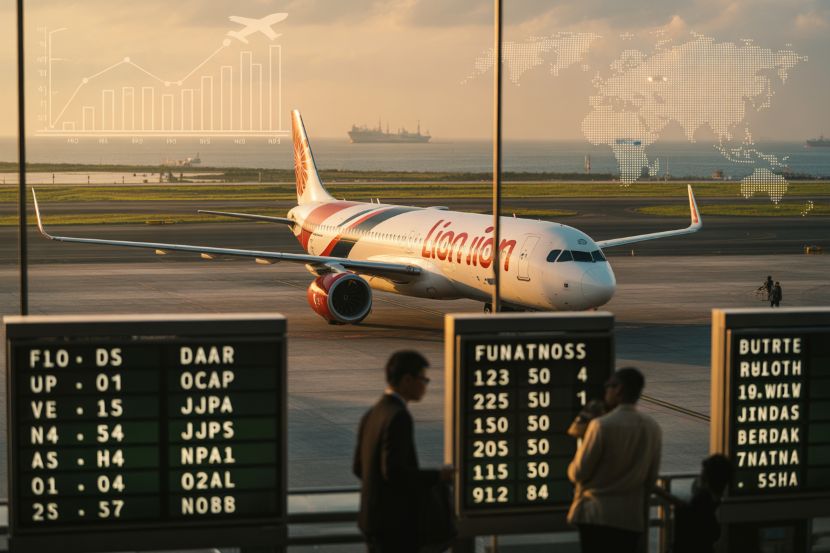
Image generated with Ai
The aviation industry across Asia is entering a period of renewed uncertainty as Thai Lion Air route cuts begin reshaping travel options between Thailand, Singapore, China, Japan, India, Indonesia, and Nepal. The airline has announced temporary reductions and suspensions on more than 15 domestic and international routes between June and September, citing an unprecedented rise in jet fuel prices linked to escalating geopolitical tensions in the Middle East.
For travelers, tour operators and destination marketers, the move highlights how global events can quickly influence regional tourism flows. The suspension of the highly popular Phuket–Singapore service and reductions across several international sectors arrive at a time when many Asian destinations are experiencing strong visitor demand. As airlines grapple with soaring operating expenses, travelers may face fewer flight choices, higher fares, and altered itineraries throughout the peak summer travel season. The situation is also drawing attention to broader vulnerabilities within the global aviation supply chain, particularly the industry’s heavy dependence on stable fuel markets and uninterrupted energy transportation routes.
Thai Lion Air Responds to Escalating Aviation Fuel Costs Across Asia
Thai Lion Air has confirmed significant schedule adjustments affecting more than 15 routes during the June-to-September operating period. The decision comes as airlines worldwide confront a sharp increase in aviation fuel costs, one of the largest expenses in commercial airline operations.
The most notable change involves the Phuket–Singapore route, a key leisure and tourism corridor connecting two of Southeast Asia’s strongest travel markets. Services on this route are being suspended from 3 June until 1 August. Operations are expected to resume in August at only two weekly flights, compared with the previous four weekly services.
Advertisement
Advertisement
The airline has linked these adjustments primarily to rising fuel expenses triggered by instability in the Middle East and disruptions affecting global energy transportation networks.
Table: Key Operational Changes Announced by Thai Lion Air
| Route/Region | Operational Impact | Effective Period |
|---|---|---|
| Phuket – Singapore | Temporary suspension | 3 June – 1 August |
| Phuket – Singapore | Reduced frequency upon resumption | August onward |
| China routes | Frequency reductions | June – September |
| Japan routes | Frequency reductions | June – September |
| India routes | Frequency reductions | June – September |
| Indonesia routes | Frequency reductions | June – September |
| Nepal routes | Frequency reductions | June – September |
Why Jet Fuel Prices Have Become a Major Concern for Airlines
The latest aviation disruption underscores the critical role fuel plays in airline economics. Industry estimates consistently indicate that fuel accounts for approximately 25% to 35% of an airline’s operating costs, making it one of the largest expenditure categories after labor and aircraft ownership.
Advertisement
Advertisement
Recent geopolitical developments have intensified pressure on global fuel markets. Concerns surrounding the Strait of Hormuz—a strategic maritime corridor through which a significant portion of the world’s oil supply passes—have created supply uncertainties that ripple through the aviation sector.
Reports indicate that the cost of Jet A-1 fuel has risen dramatically compared with pre-conflict levels. Such increases can quickly erode airline profitability, particularly among low-cost carriers that operate on relatively thin margins.
Advertisement
Advertisement
Table: Why Fuel Costs Matter to Airlines
| Cost Category | Typical Share of Airline Operating Costs |
|---|---|
| Fuel | 25%–35% |
| Labor | 20%–30% |
| Aircraft Ownership/Leasing | 10%–20% |
| Maintenance | 10%–15% |
| Airport and Navigation Charges | 5%–15% |
When fuel prices rise sharply, airlines generally respond through a combination of route reductions, fare increases, fuel surcharges or aircraft deployment adjustments.
Tourism Destinations Could Feel the Impact of Reduced Air Connectivity
For tourism-dependent destinations, reduced air services can have consequences extending beyond airline balance sheets.
Phuket, one of Thailand’s most visited resort destinations, relies heavily on international air access. Singapore, meanwhile, functions as both a major source market and a strategic transit hub connecting travelers from Europe, Australia, and North America.
A reduction in flight availability can influence traveler behavior in several ways:
Advertisement
Advertisement
- Fewer seat inventories during peak travel periods.
- Potential airfare increases due to reduced capacity.
- Longer connection times for international passengers.
- Greater competition for available bookings.
Tourism boards and hospitality businesses closely monitor such developments because air connectivity remains one of the strongest drivers of visitor arrivals.
The broader Asia travel market has demonstrated strong recovery momentum over the past two years, making route reductions particularly significant for destinations competing for international tourists.
Europe and India Also Face Growing Aviation Headwinds
The effects of rising fuel prices are not limited to Southeast Asia.
European carriers have also adopted cautious operational strategies. KLM has delayed the resumption of several Middle Eastern services, including routes connected to Dubai and parts of Saudi Arabia. These decisions reflect broader concerns regarding operational costs, regional security considerations and market uncertainty.
In India, the situation has attracted significant attention among major airlines. Reports indicate that carriers including Air India, IndiGo and SpiceJet have been evaluating the implications of higher aviation turbine fuel prices on profitability and network planning.
Industry observers note that India’s rapidly expanding aviation sector is particularly sensitive to fuel price fluctuations because of intense fare competition and strong domestic growth.
Advertisement
Advertisement
Table: Airlines Facing Fuel-Related Operational Pressures
| Region | Airlines Affected | Main Concern |
|---|---|---|
| Thailand | Thai Lion Air | Route reductions |
| Netherlands | KLM | Delayed route resumptions |
| India | Air India, IndiGo, SpiceJet | Rising fuel expenses |
| Europe | Multiple carriers | Supply chain and operating cost pressures |
Smart Travel Planning Strategies During Airline Schedule Disruptions
Travelers planning journeys across Asia during the coming months may benefit from adopting a more flexible approach.
Monitoring booking status regularly has become increasingly important as airlines continue adjusting schedules in response to market conditions. Passengers traveling through major hubs such as Singapore, Bangkok and Phuket should consider reviewing alternative flight options and allowing additional connection time.
Travel insurance policies covering schedule disruptions may also offer added protection during periods of operational volatility.
For leisure travelers, booking accommodations with flexible cancellation terms can provide valuable flexibility should route adjustments affect planned itineraries.
A Reminder of How Global Events Shape Modern Tourism
The latest Thai Lion Air route cuts serve as a powerful reminder that modern tourism is deeply interconnected with global economic and geopolitical developments. A conflict thousands of kilometers away can influence airline networks, alter travel demand patterns and reshape tourism flows across entire regions.
While the reductions announced by Thai Lion Air are currently temporary, they highlight the fragile balance airlines must maintain between operational sustainability and market demand. As fuel markets stabilize—or continue to fluctuate—the aviation sector will remain under close scrutiny from travelers, tourism stakeholders, and investors alike.
Advertisement
Advertisement
For now, destinations across Thailand, Singapore, China, Japan, India, Indonesia, and Nepal are watching carefully as airlines adapt to one of the most challenging fuel cost environments seen in recent years, with the outcome likely to influence regional travel patterns throughout the remainder of 2026.
Advertisement
Advertisement
