
Published on
June 22, 2026

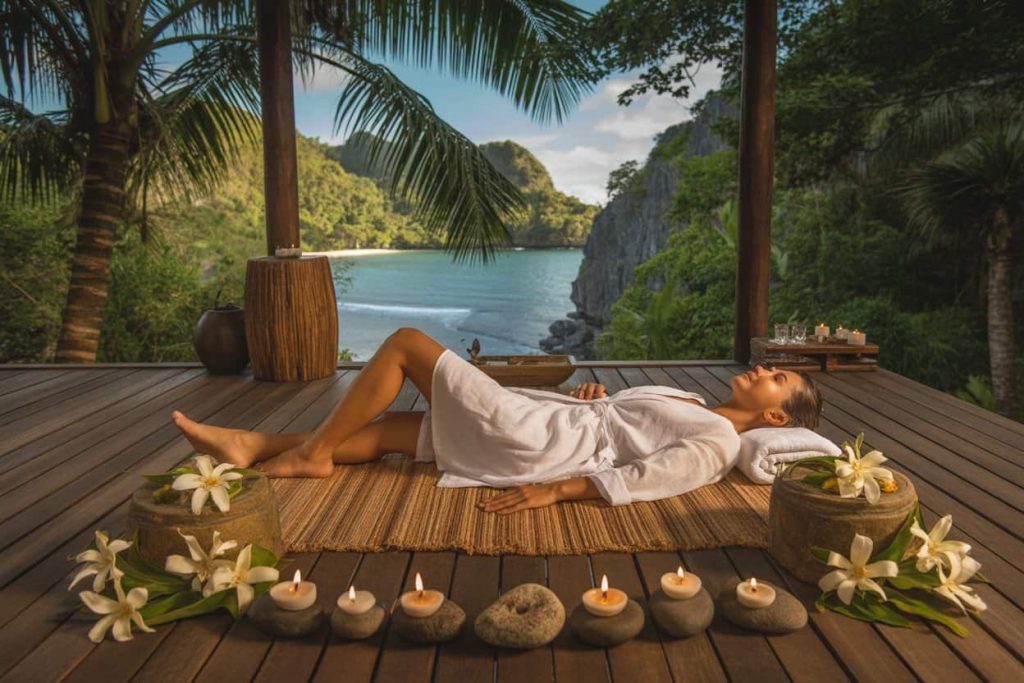
Image generated with Ai
A significant transformation has been observed in Philippines wellness tourism development, Filipino traditional healing tourism, Asia wellness travel market growth, Southeast Asia holistic tourism competition, and Philippines tourism infrastructure upgrades, as the country has intensified efforts to position itself as a competitive player in the rapidly expanding global wellness tourism sector.
This initiative has been shaped by a combination of cultural heritage preservation, tourism infrastructure improvements, regulatory modernization, and strategic branding aimed at highlighting the Philippines as a destination for holistic, nature-based, and culturally rooted wellness experiences.
As global demand for wellness travel continues to rise, the Philippines has been working to strengthen its offerings in order to compete with established regional leaders such as Thailand and Indonesia.
Traditional Filipino Healing Practices Positioned as Tourism Strength
At the center of the Philippines’ wellness tourism strategy has been the integration of traditional Filipino healing practices into formal tourism offerings.
Indigenous and locally rooted healing traditions have been increasingly recognized as part of the country’s cultural heritage and tourism identity.
These practices, which include herbal therapies, massage traditions, and community-based healing rituals, have been incorporated into wellness packages designed for both domestic and international visitors.
Advertisement
Advertisement
By positioning these traditions within structured tourism experiences, the Philippines has aimed to differentiate itself in a competitive global wellness market increasingly focused on authenticity and cultural immersion.
Infrastructure Development Supports Wellness Tourism Growth
Substantial investments have been directed toward improving tourism infrastructure across key wellness destinations in the Philippines.
Upgraded transportation networks, enhanced airport facilities, improved road connectivity, and expanded hospitality services have been implemented to support increased visitor demand.
Island destinations, mountain retreats, and coastal wellness resorts have been developed or upgraded to provide environments conducive to relaxation, mindfulness, and therapeutic experiences.
These infrastructure improvements have been aligned with broader national tourism development strategies aimed at enhancing accessibility and visitor satisfaction.
Regulatory Improvements Enhance Industry Standards
In addition to infrastructure expansion, efforts have been made to strengthen regulatory frameworks governing wellness tourism services.
Advertisement
Advertisement
Standards for spa operations, therapeutic services, and wellness facilities have been reviewed to ensure safety, professionalism, and service quality.
Training programs for wellness practitioners and hospitality workers have been expanded to improve service consistency and align with international best practices.
These regulatory improvements have been introduced to build international confidence in the Philippines as a credible wellness tourism destination.
Competition with Thailand and Indonesia Intensifies
The Philippines’ wellness tourism expansion has taken place within a highly competitive regional environment dominated by countries such as Thailand and Indonesia.
Thailand has long been recognized as a global leader in wellness tourism, with established spa industries, holistic retreat centers, and strong international branding.
Indonesia, particularly Bali, has also developed a strong reputation for yoga, meditation, and spiritual tourism experiences.
Advertisement
Advertisement
In response, the Philippines has been working to differentiate its offerings by emphasizing cultural authenticity, island-based wellness environments, and traditional healing practices unique to Filipino heritage.
This competitive landscape has encouraged innovation and diversification across Southeast Asia’s wellness tourism sector.

Image generated with Ai
Growing Global Demand for Wellness Travel Supports Expansion
The global wellness tourism market has continued to expand as travelers increasingly seek experiences focused on health, mindfulness, and personal well-being.
Post-pandemic travel trends have shown a shift toward slower, more meaningful travel experiences that prioritize mental health, physical restoration, and cultural connection.
The Philippines has been positioned to benefit from this trend through its natural landscapes, tropical environments, and cultural wellness traditions.
Destinations across Luzon, Visayas, and Mindanao have been increasingly promoted as wellness hubs offering retreats, eco-lodges, and nature-based healing experiences.
Advertisement
Advertisement
Cultural Identity Strengthens Tourism Branding Strategy
A key element of the Philippines’ wellness tourism strategy has been the integration of cultural identity into tourism branding.
By highlighting indigenous traditions, local healing knowledge, and community-based wellness practices, the country has sought to create a distinctive tourism identity.
This approach has been supported by national tourism campaigns emphasizing authenticity, sustainability, and cultural preservation.
The inclusion of local communities in wellness tourism development has also been promoted to ensure that economic benefits are distributed more widely.
Private Sector Investment Expands Wellness Offerings
Private sector investment has played a significant role in the expansion of wellness tourism infrastructure in the Philippines.
Resorts, boutique wellness centers, and eco-retreat operators have introduced new products and services catering to international wellness travelers.
Advertisement
Advertisement
These offerings have included yoga retreats, spa therapies, meditation programs, and nature immersion experiences designed to meet growing global demand.
Public-private partnerships have been encouraged to accelerate development and improve competitiveness in the regional tourism market.
Sustainability and Environmental Considerations Prioritized
Sustainability has been emphasized as a core principle in the development of wellness tourism across the Philippines.
Eco-friendly resort designs, conservation initiatives, and responsible tourism practices have been promoted to protect natural environments.
Island ecosystems, coastal areas, and forested regions have been identified as priority zones for sustainable tourism development.
These efforts have been aligned with global expectations for environmentally responsible travel experiences.
Advertisement
Advertisement
Outlook for Philippines Wellness Tourism Growth
The outlook for wellness tourism in the Philippines has been viewed as highly promising, with continued growth expected in both domestic and international markets.
Rising global demand, combined with improved infrastructure and cultural positioning, is expected to strengthen the country’s competitiveness.
While Thailand and Indonesia remain dominant players in the region, the Philippines has been increasingly recognized as an emerging alternative offering unique cultural and natural wellness experiences.
Ongoing investment in infrastructure, regulation, and branding is expected to further support long-term sector expansion.
A Strategic Push Toward Global Wellness Tourism Leadership
The Philippines’ focused development of wellness tourism has been shaped by a combination of cultural heritage, infrastructure modernization, and strategic market positioning.
By leveraging traditional healing practices and strengthening regulatory frameworks, the country has aimed to establish a stronger presence in the global wellness travel industry.
As competition intensifies across Southeast Asia, the Philippines continues to refine its tourism strategy to attract international visitors seeking authentic, restorative, and culturally rich wellness experiences.
Advertisement
Advertisement
