
Published on
May 21, 2026

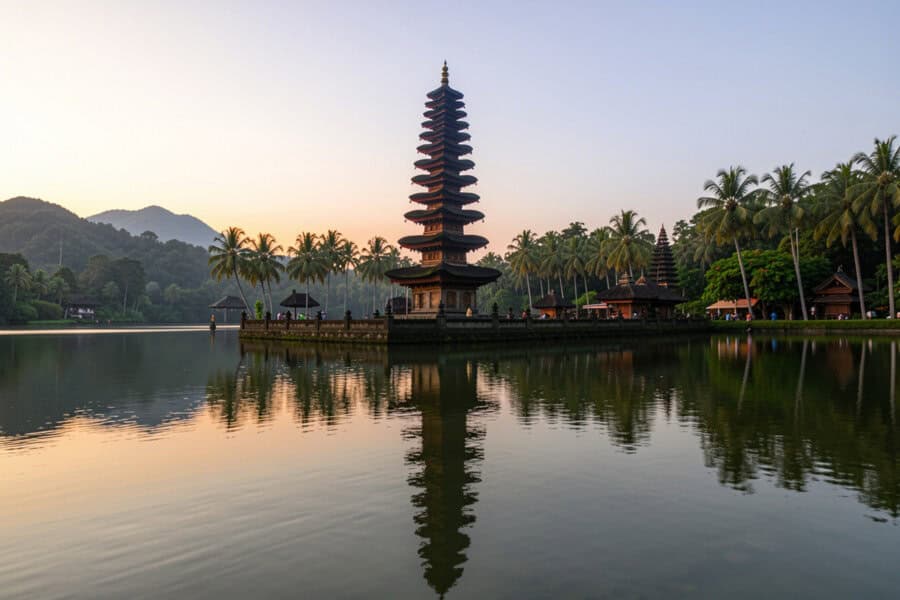
Image generated with Ai
Indonesia is rapidly emerging as a global leader in eco-luxury tourism, with Nusa Dua at the forefront of this transformation. In South Bali, this premier destination is redefining the concept of a sustainable paradise, seamlessly blending world-class luxury resorts, pristine beaches, and lush green spaces with cutting-edge environmental initiatives. From extensive tree planting programs and carbon absorption efforts to innovative water recycling systems, Nusa Dua demonstrates how tourism can be responsible, nature-connected, and future-focused, offering nature-loving travelers an unparalleled experience that balances indulgence with ecological stewardship.
Advertisement
Advertisement
Advertisement
Advertisement
Nusa Dua: Bali’s Luxury Destination Leading the Way in Sustainable Tourism
Bali’s Nusa Dua has long been celebrated as a premier destination for luxury travelers. Known for its pristine beaches, high-end resorts, and world-class amenities, the area attracts visitors from across the globe seeking both comfort and natural beauty. But beyond its reputation for indulgence, Nusa Dua is quietly becoming a model for sustainable tourism, integrating ecological responsibility into its development without compromising the high standards for which it is renowned.
The InJourney Tourism Development Corporation (ITDC), which oversees the region, has recently announced significant steps to strengthen sustainability initiatives within the resort area. Central to this strategy is the expansion and management of Green Open Spaces (RTH program), designed to protect the environment while enhancing the experience for both tourists and local communities.
Advertisement
Advertisement
Currently, green open space occupies roughly 97 hectares, representing 27% of Nusa Dua’s total 359.7-hectare area. Within this space, 43 hectares have been planted with over 5,700 trees, encompassing 138 vegetation species, including 32 species native to Bali and Indonesia. This initiative forms part of ITDC’s “Protecting Nature” program, a core pillar of its broader sustainability framework.
Febrina Mediana, ITDC’s Commercial and Marketing Director, emphasized the importance of green spaces: they are not mere aesthetic features but critical ecological infrastructure. These areas contribute to:
- Air quality improvement, filtering pollutants and maintaining cleaner skies.
- Temperature regulation, helping to mitigate heat in densely developed areas.
- Climate resilience, offering a buffer against the impacts of extreme weather and global warming.
While Nusa Dua is often associated with luxury, its approach to sustainability dates back decades. Since its establishment in 1979, the resort area has implemented a lagoon system capable of treating 10,000 cubic meters of wastewater per day, which is then reused for irrigation in green areas. This system exemplifies circular water management, ensuring efficient use of resources while maintaining lush landscapes.
Advertisement
Advertisement
Carbon management is another area where Nusa Dua excels. Recent studies indicate that the resort’s green vegetation absorbs approximately 16,279 tons of carbon annually. Breaking this down further:
- Average biomass per hectare: 102.6 tons
- Carbon content per hectare: 48.2 tons of carbon dioxide
- Equivalent CO2 absorption: ~176.8 tons CO2e per hectare
These figures highlight the significant role of vegetation in mitigating carbon emissions, all while supporting ecosystem balance in a region bustling with tourism.
Advertisement
Advertisement
For environmentally conscious travelers, this offers reassurance: choosing Nusa Dua is not just about luxury—it is a sustainable travel choice. Visitors can enjoy the comfort of world-class accommodations while knowing the region actively protects its natural and ecological resources.
Advertisement
Advertisement
Some of Nusa Dua’s most eco-friendly hotels stand out as examples of how luxury and sustainability can coexist:
- Sofitel Bali Nusa Dua Beach Resort – Offers a blend of premium amenities and sustainable practices, from energy-efficient lighting to water conservation initiatives.
- The Laguna, A Luxury Collection Resort & Spa – Combines indulgent accommodations with a focus on preserving Bali’s native flora and fauna.
These resorts demonstrate that responsible tourism can be a part of the luxury experience, giving visitors confidence that their stay supports both local communities and the environment.
Advertisement
Advertisement
Nusa Dua’s commitment to green innovation goes beyond individual hotels. Its comprehensive approach ensures that every aspect of the resort—from landscaping to water and carbon management—works toward sustainability. The area has become a blueprint for other tourist destinations in Southeast Asia, showing that environmental responsibility and high-end tourism can thrive together.
In a world where travelers increasingly seek eco-conscious options, Nusa Dua offers a compelling combination of luxury, natural beauty, and environmental stewardship. From meticulously maintained beaches to lush green spaces, every detail reflects a dedication to preserving Bali’s unique heritage and ecosystem.
For visitors planning their Bali vacation in 2026 and beyond, Nusa Dua represents more than a place to relax—it is a destination where sustainability, luxury, and culture intersect. By supporting resorts that prioritize eco-friendly practices, tourists actively contribute to the long-term preservation of Bali’s natural environment.
Advertisement
Advertisement
Indonesia is setting the global standard in eco-luxury tourism as Nusa Dua transforms South Bali into a sustainable paradise, combining luxury resorts, pristine beaches, and green initiatives to offer nature-loving travelers an unforgettable, responsible experience.
Advertisement
Advertisement
Whether it is the impressive carbon absorption metrics, the carefully managed lagoon water system, or the extensive green open spaces, Nusa Dua demonstrates that luxury travel can also be responsible travel. It sets a benchmark not just for Bali, but for resort destinations worldwide, blending comfort, elegance, and sustainability in a uniquely harmonious way.
Advertisement
Advertisement
