
Jakarta. Indonesia will fully implement its single-gateway export system for strategic natural-resource commodities on Sept. 1, four months earlier than originally planned, as the government moves to tighten oversight of exports, increase foreign exchange earnings, and curb trade fraud.
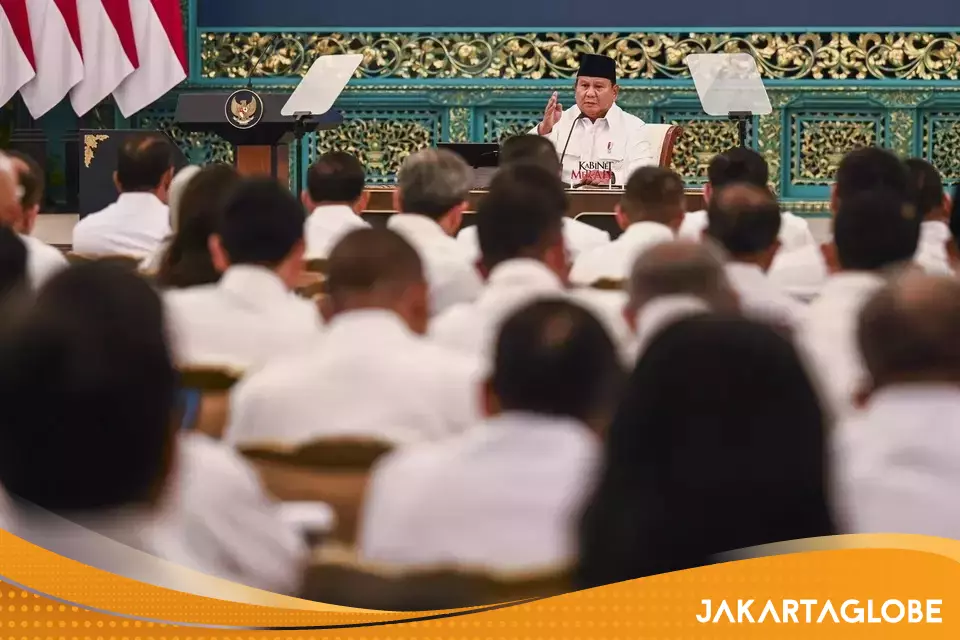
President Prabowo Subianto announced the accelerated timetable during a cabinet meeting on Monday, saying the policy is currently in a transition phase before its nationwide rollout.
“We expect full implementation on Sept. 1, 2026,” Prabowo said.
The government had previously planned to fully implement the policy on Jan. 1, 2027.
ADVERTISEMENT
The system is administered through Danantara Sumberdaya Indonesia (DSI), a subsidiary of sovereign wealth fund Danantara Indonesia. Established on May 20 and began operations on July 1. DSI is tasked with overseeing exports of strategic commodities, including coal, crude palm oil, and ferroalloys, to strengthen export governance and consolidate trade flows.
Prabowo said the initiative had faced criticism since it was announced, but that the government had pressed ahead because it is intended to improve export governance and combat practices such as under-invoicing and transfer pricing, which officials say have deprived the state of substantial export revenue.
“We are building a single-gateway export system so the state knows how much is being exported, who the buyers are, the actual selling price, and how much export foreign exchange should return to Indonesia. That is the objective,” Prabowo said.
The president cited crude palm oil exports as an example, saying Indonesian shipments were sometimes recorded at prices of around Rp14,000 to Rp17,000 ($0.85-$1.03) per kilogram, while buyers in Europe reported purchase prices of about Rp27,000 ($1.64) per kilogram.
Prabowo said the discrepancy underscored the need for tighter supervision of commodity exports and greater transparency in trade reporting.
He added that the government’s experience in establishing DSI demonstrated the importance of pursuing strategic policies aimed at protecting national interests, strengthening the economy, and improving public welfare despite initial criticism.
Tags:
Keywords: