
Investors cite tighter regulations, legal uncertainty, and alleged extortion
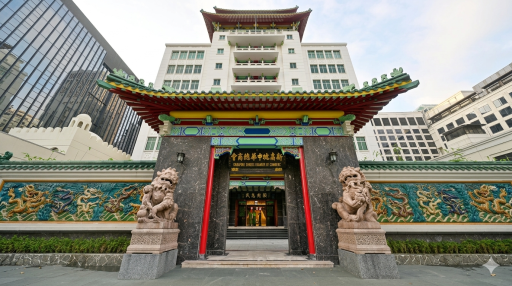
The China Chamber of Commerce in Indonesia, representing Chinese-invested companies operating in the country, has raised concerns over what it described as a deteriorating business environment in Indonesia, warning that increasingly stringent regulations, aggressive law enforcement, and alleged corruption are undermining investor confidence.
In a formal letter addressed to President Prabowo Subianto, the chamber stated that Chinese-invested enterprises have long contributed to Indonesia’s economic development through investment, employment creation, industrial upgrading, and social responsibility programs. However, it said many companies are now facing growing operational and regulatory pressures that threaten long-term business sustainability in the country.
The chamber identified several major concerns, including rising taxes and levies, stricter law enforcement, uncertainty surrounding foreign exchange policies, reduced nickel mining quotas, and what it described as opaque regulatory practices.
Rising taxes, tighter regulations, and nickel sector concerns
According to the letter, Chinese companies are facing repeated increases in mineral royalties and other levies, alongside intensified tax inspections and large financial penalties reaching tens of millions of US dollars. The chamber said these measures have created anxiety among investors and increased uncertainty for ongoing projects.
The group also criticized Indonesia’s planned foreign exchange retention policy for natural resource exporters, which would require exporters to keep 50% of their foreign exchange earnings in Indonesian state-owned banks for at least one year. The chamber argued that the policy could significantly disrupt corporate liquidity and long-term operational planning.
Concerns were also raised over the sharp reduction in nickel ore mining quotas this year. The chamber said some large mining operations experienced quota cuts of more than 70%, amounting to a total reduction of around 30 million tons. It warned that the policy could disrupt downstream industries, particularly electric vehicle battery and stainless steel production.
In addition, the chamber criticized recent revisions to Indonesia’s nickel benchmark price formula (HPM), saying the inclusion of cobalt, iron, and other associated minerals in the calculation had triggered a 200% increase in comprehensive nickel ore costs. Chinese investors warned that rising production costs and widening operational losses could damage existing projects, reduce exports, and weaken confidence in Indonesia’s nickel industry.
Concerns over law enforcement and project suspensions
The chamber also expressed concern over what it described as excessive enforcement measures in forestry and environmental regulation. It cited a US$180 million fine imposed by Indonesia’s forestry task force on Chinese-invested firms accused of operating without valid forestry permits.
Several major hydropower projects involving Chinese companies were also reportedly suspended after authorities accused them of contributing to environmental degradation and flood risks. The chamber claimed that some interventions had disrupted ongoing operations and increased uncertainty for investors.
The letter further stated that work visa approvals for foreign employees have become increasingly difficult and expensive, with stricter requirements and designated work-location restrictions limiting the mobility of technical experts and management personnel.
Warning over investment uncertainty
Beyond sector-specific issues, the chamber criticized what it described as inconsistent regulations and opaque law enforcement standards in areas such as taxation, environmental protection, and forestry. It also alleged that some business disputes and licensing problems could only be resolved through intermediaries charging “exorbitant fees,” raising concerns over unofficial payments and governance standards.
The chamber warned that if the current situation persists, it could discourage future investment, weaken Indonesia’s export competitiveness, and affect more than 400,000 workers linked to the nickel industry supply chain.
Appeal to President Prabowo
In its concluding remarks, the chamber urged President Prabowo Subianto and the Indonesian government to maintain a stable, fair, transparent, and predictable business environment, improve legal certainty, standardize law enforcement practices, and strengthen communication channels between authorities and businesses.
Despite the concerns, the chamber emphasized that Chinese-invested enterprises remain optimistic about Indonesia’s long-term economic potential and expressed readiness to meet directly with President Prabowo to further discuss the issues raised in the letter.