
A traditional but largely marginalised-source of fuel is quietly re-entering everyday use across large parts of northern India, amid the deepening energy pressures linked to the Middle East crisis and wider disruptions from the US–Israeli military confrontation with Iran.
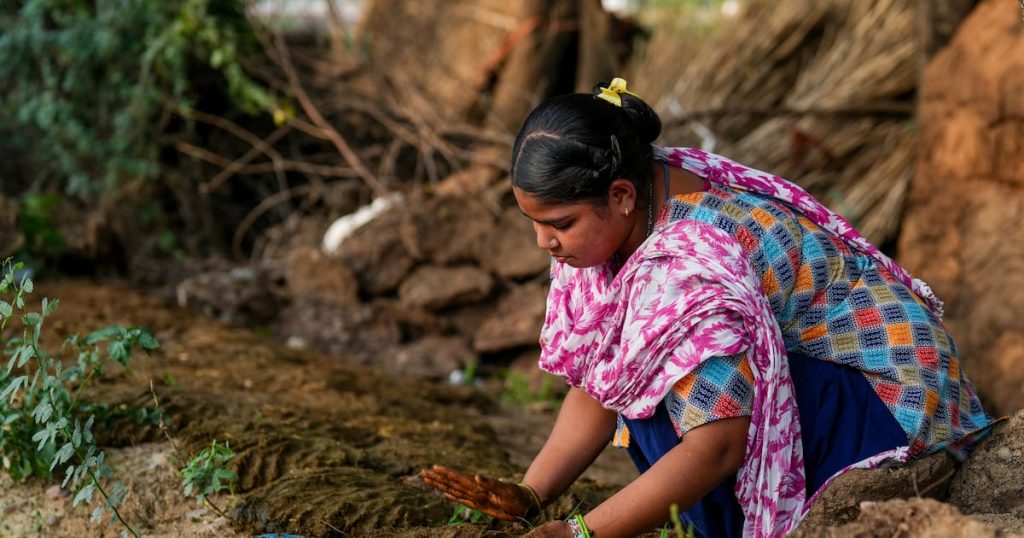
Sun-dried cow-dung cakes, known locally as gobar patties, have returned as a fuel source in rural and semiurban homes, roadside eateries and tea stalls across Punjab and Haryana, as locals grapple with rising cooking fuel costs and growing uncertainty over conventional energy supplies.
In and around Chandigarh – 250km (155 miles) north of New Delhi and the joint capital of both these states – individual dung patties, once selling for as low as the equivalent of 4-5 cent each, have in some areas risen nearly ninefold in price to 36 cent .
And though prices vary widely and availability remains uneven, these rough-edged, sun-baked greenish-brown discs of compressed dung and straw are steadily resurfacing as a default cooking fuel, where access to modern energy sources has become either unreliable, unaffordable or both.
“We have no option but to return to gobar patties to keep our kitchen going, as cooking gas supplies are severely restricted and black-market rates for each cylinder have climbed nearly three times the normal price to Rs3,000 (€27),” said Kamaljit Singh, a taxi driver from Mullanpur, about 20km from Chandigarh. “Everything now depends on how many patties we can afford to keep the kitchen fire going, as they too are increasingly becoming expensive, he added.
In recent decades, cow-dung patties – once a routine feature of villages, small towns and many urban households across most of India – had almost entirely disappeared from everyday use once liquefied petroleum gas (LPG) became widely available.
Consequently, kitchens modernised, cooking became faster and cleaner and cow-dung was relegated to Hindu religious and ceremonial use. Rooted in the sacred status of the cow in Hinduism, it retained cultural and ritual significance in fire-purification rituals – know as havans – festivals, and other devotional practices.
That decline is now beginning to reverse under pressure from tightening global energy supply chains and the consequent rise in cooking gas prices, which many households and small commercial establishments are increasingly struggling to absorb.

India’s dependence on imports for over 85 per cent of its crude oil and nearly 60 per cent of its liquefied natural gas (LNG) leaves domestic fuel prices and supplies highly exposed to international shocks, including disruptions in key global shipping routes like the blockaded Strait of Hormuz. Alongside this, rising costs and fluctuating availability of alternative fuels like coal, firewood and electricity are further pushing users back toward cow-dung patties as an affordable and readily available energy source.
This burden is felt most acutely by millions of migrant labourers, daily-wage workers, and small roadside food vendors, many of whom rely on 5kg LPG cylinders rather than larger subsidised larger domestic units.

These mini cylinders have long been a critical source of cooking fuel for low-income households and mobile livelihoods, valued for their portability and lower upfront cost. But, steep price increases in recent weeks have pushed their cost burden sharply higher – absorbing up to an entire day’s earnings in many households and livelihoods in the informal economy – resulting in many turning once again to cow-dung patties as a contingency fuel source.
Meanwhile, agricultural experts in Punjab and Haryana warn that even the cow-dung patties sector is facing supply pressure due to declining cattle ownership across both states, which has reduced overall availability of usable biomass. What was once a self-sustaining village resource is increasingly becoming scarce, as advanced farming systems shift toward more mechanised and specialised livestock practices that end up producing less material to make dung patties.
Social acceptance of cow-dung fuel has also emerged as a factor in urban contexts.
In some small towns, its use continues to carry a stigma of poverty and “backwardness”, leading households in certain cases to use it discreetly when guests are present, reserving “posher” fuels like LPG or electricity for more visible settings. This reflects an underlying concern with status and social perception, where cooking practices become synonymous with notions of economic standing.
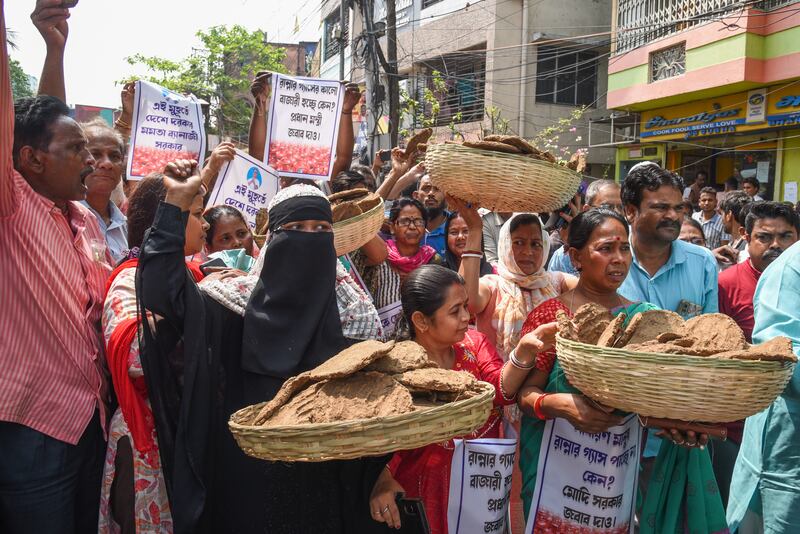
Conversely, in rural areas, the dynamic remains more pragmatic, with cow-dung patties remaining embedded in everyday agricultural life, largely viewed as a functional household resource rather than a marker of deprivation and with little associated social stigma.
In effect, this fuel reversal to cow-dung patties marks the return of an energy source once relegated to the sidelines but now reappearing under conditions of stress and rising costs in energy markets locally and worldwide. It also shows that even in a high-tech era defined by satellites, semiconductors, AI-driven efficiency and a lost else besides, older and more basic energy sources continue to underpin everyday survival across India.