
The march was scheduled to begin at 9 a.m. By then, a large police contingent had already been deployed around Jantar Mantar and along the route toward Parliament. Delhi Police were backed by paramilitary forces, including the Rapid Action Force. Roads were barricaded, officers carrying batons, shields, and tear gas launchers stood at intersections, and ambulances waited nearby.
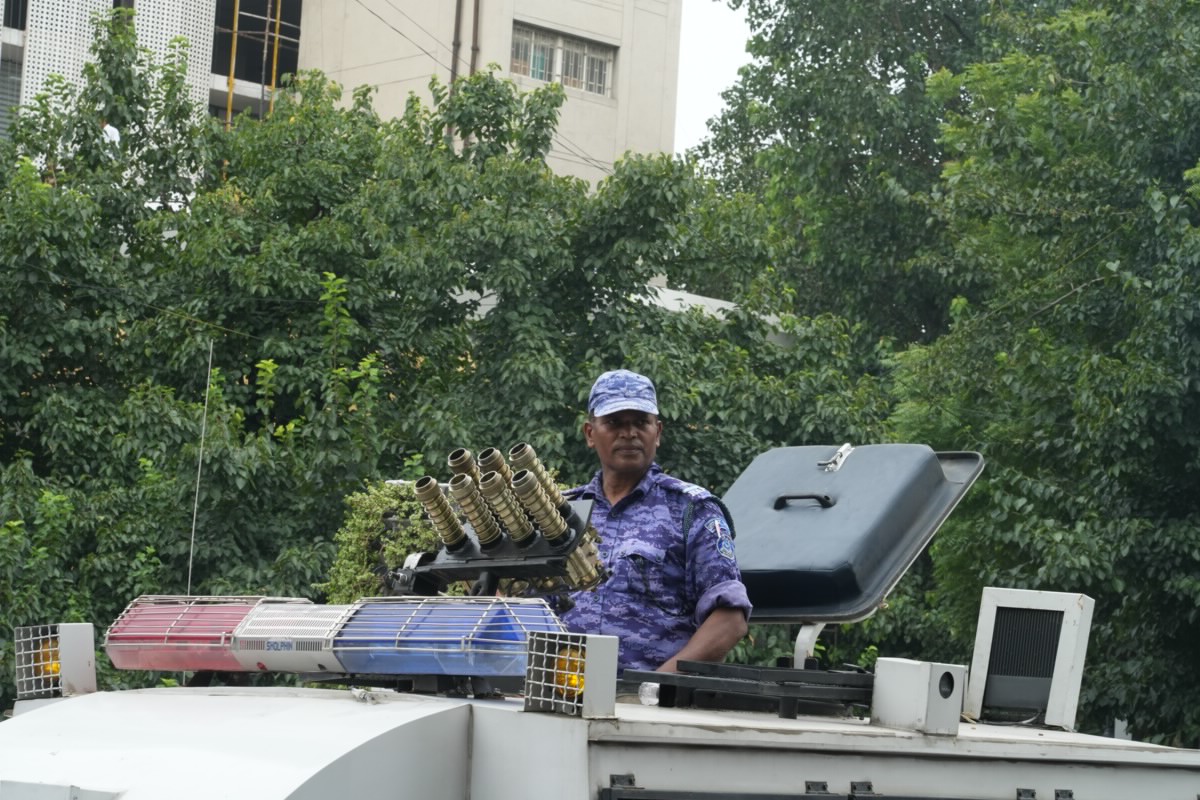
Although police had blocked access to Parliament, protesters managed to remove the barricades and began marching peacefully toward the building. When demonstrators attempted to remove additional barricades near Parliament, police responded with baton charges, tear gas, and in some locations, pellet guns. Officers also cleared and temporarily dismantled parts of the main protest camp at Jantar Manta, injuring numerous volunteers.
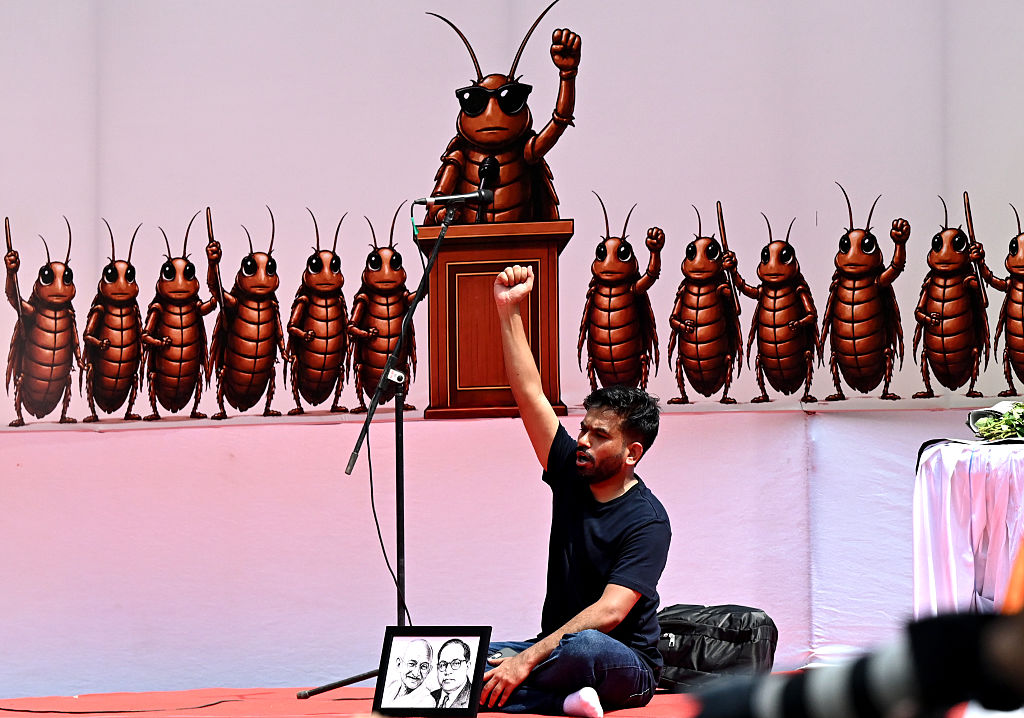
Early that morning, plainclothes Delhi police officers arrived at the Jantar Mantar protest site and quickly put up white sheets around the stage to block public view. Within minutes, they forcibly removed activist Sonam Wangchuk and transported him to a hospital, citing medical concerns.
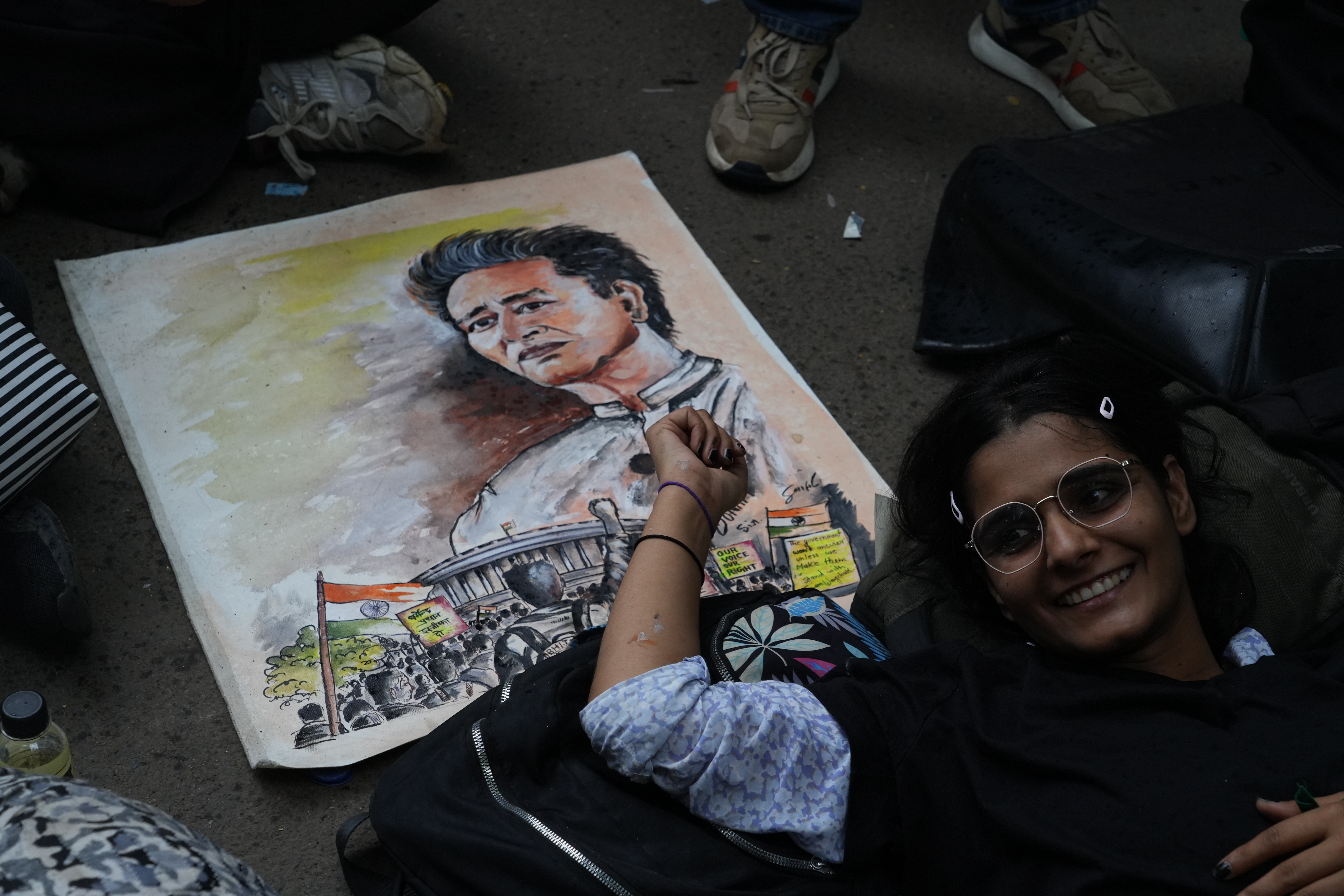
Alongside the CJP and independent activist Sonam Wangchuk, the All India Students’ Association (AISA) played a leading role in the demonstrations. Its members helped to organize joint hunger strikes and led frontline protest actions at Jantar Mantar. Many students maintained a twenty-three-day hunger strike alongside Wangchuk before calling it off following appeals from opposition lawmakers and civil society delegations.
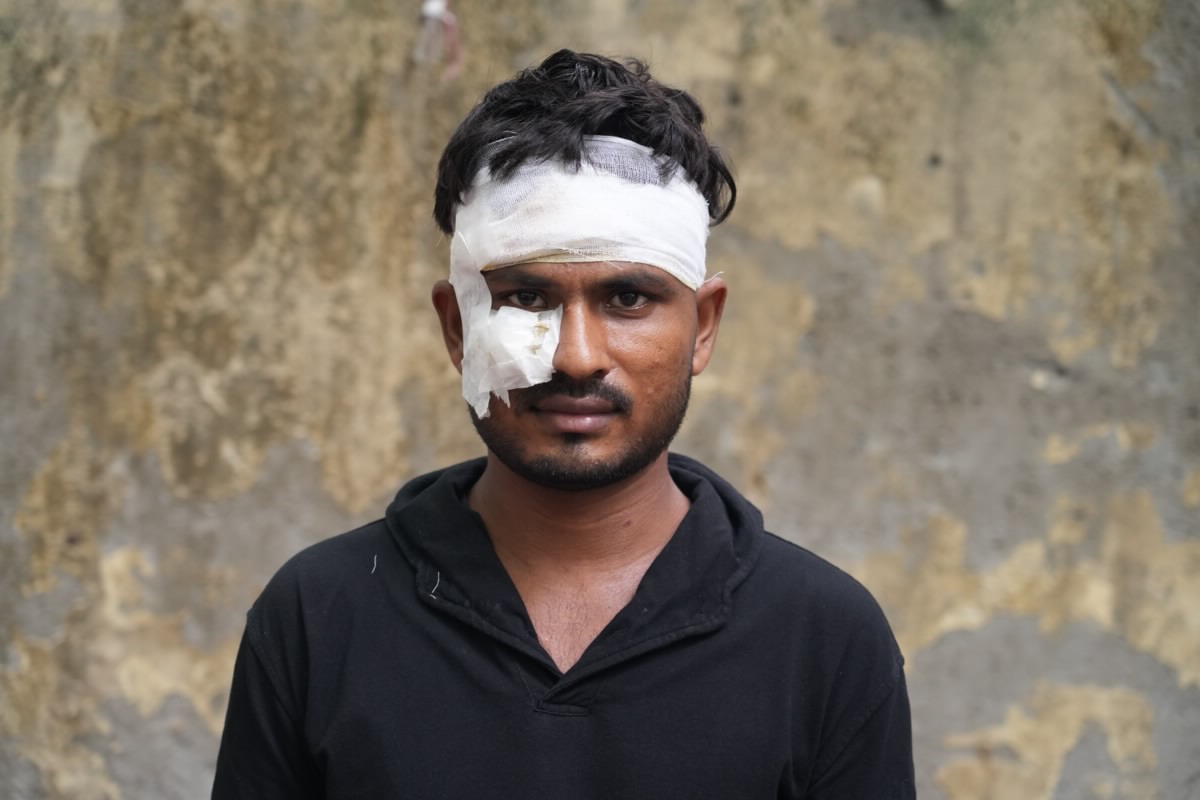
On the morning of July 21, Aniket Patel, a twenty-five-year-old from Maharashtra, returned to the protests despite injuries he said he sustained from the previous day’s police action. He walked with a noticeable limp. His forehead and face were bandaged, and he had received four stitches in his leg after spending the night in the hospital. “I was peacefully protesting, and the police hit my head with a baton and then hit my leg,” he says.
Patel had joined the protest several days earlier to demand greater transparency in the education system and to call for the resignation of Education Minister Dharmendra Pradhan. “I was in pain and asking myself what my fault was, as I was treated like a terrorist by the police,” he says.
At a press briefing held at the Press Club of India, Neha Bora, a PhD student at Jawaharlal Nehru University and national president of AISA, spoke out against what she described as unprecedented police brutality during the protest. She thanked fellow protesters, journalists, and volunteers who stepped in to provide basic aid — water, first aid, and support — amid the chaos of tear gas shelling and lathi charges.
“We have not seen such violence in our lives on peaceful protesters. What happened in Delhi was not an accident — it was a systematic use of power against students” Patel says.