
Hong Kong Customs detects two drug trafficking cases involving passengers at airport
Hong Kong Customs detected two drug trafficking cases involving baggage concealment at Hong Kong International Airport yesterday (June 5) and today (June 6), and seized a total of about 3.4 kilograms of suspected cocaine and 16 kg of suspected cannabis buds, with a total estimated market value of about $5.6 million. Two women were arrested.
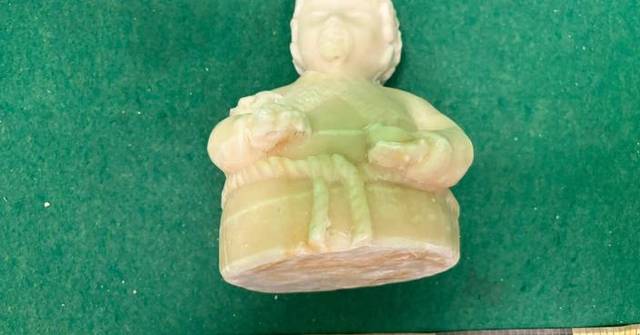
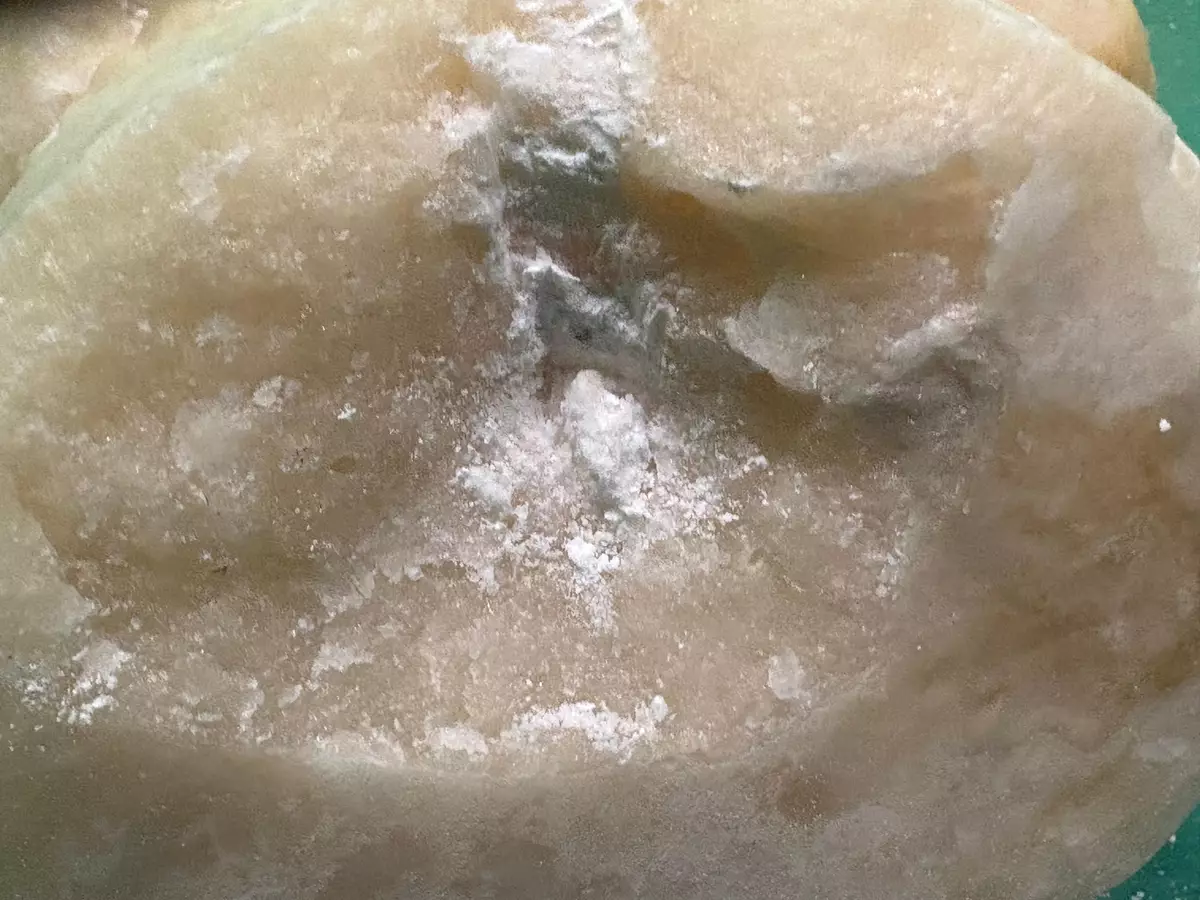
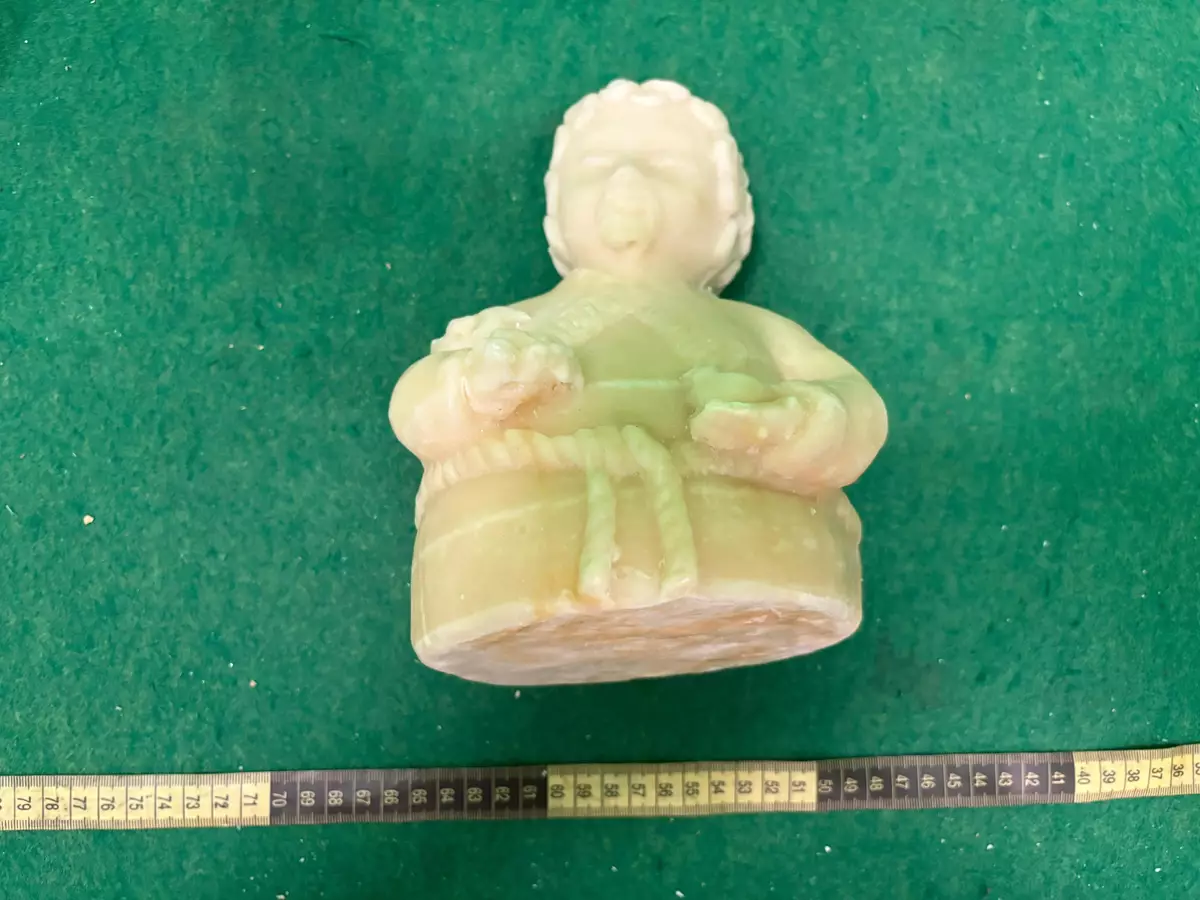
In the first case, a 23-year-old female passenger arrived in Hong Kong from Sao Paulo, Brazil, via Istanbul, Turkey, yesterday afternoon. During customs clearance, Customs officer found about 3.4 kg of suspected cocaine concealed inside two statues in her check-in suitcase. Thirty-four duty-not-paid cigarettes and one piece of alternative smoking were also found inside her carry-on baggage. The woman was then arrested.
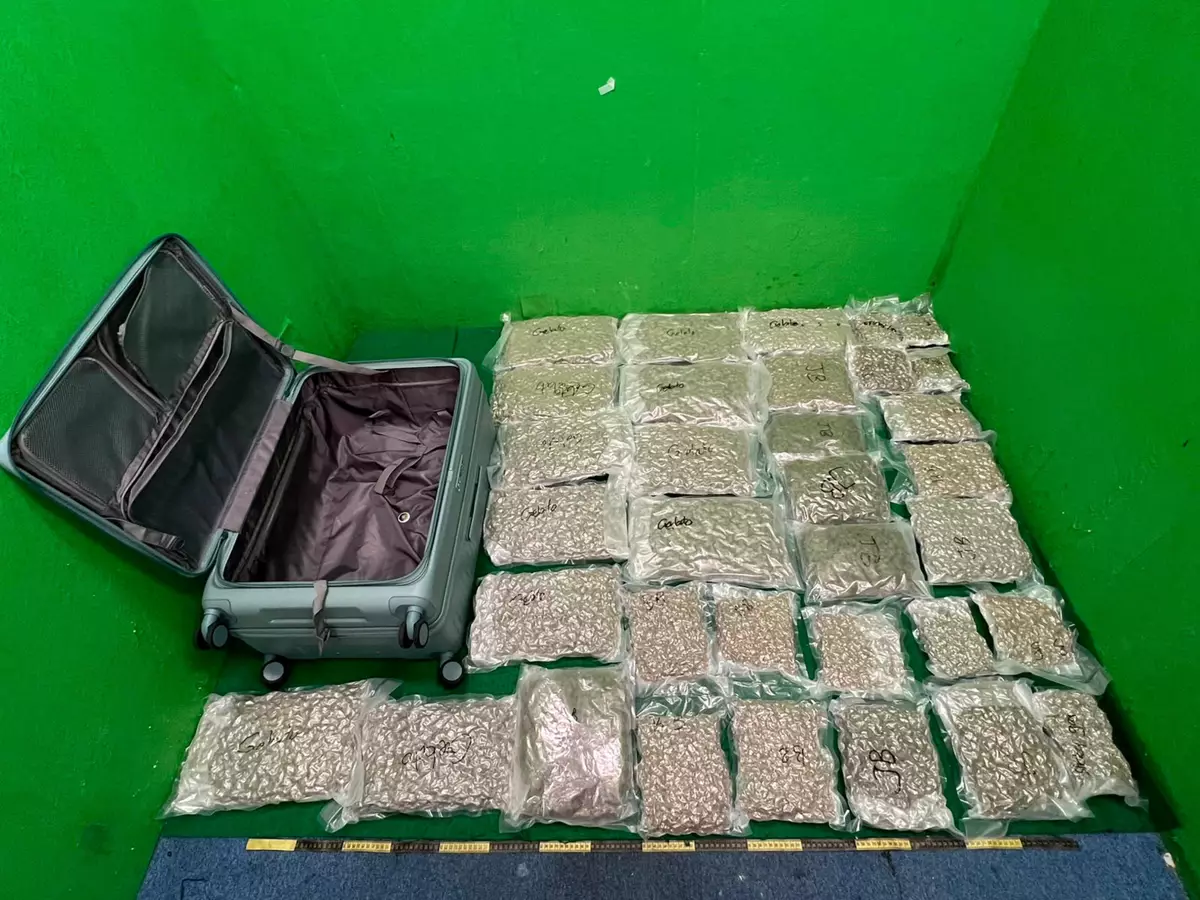
In the second case, a 22-year-old female passenger arrived in Hong Kong from Bangkok, Thailand, today. During customs clearance, Customs officers found about 16kg of suspected cannabis buds inside her check-in baggage. She was subsequently arrested.
Investigations of the two cases are ongoing.
Customs will continue to step up enforcement against drug trafficking activities through intelligence analysis. The department also reminds members of the public to stay alert and not participate in drug trafficking activities for monetary return. They must not accept hiring or delegation from another party to carry controlled items into and out of Hong Kong. They are also reminded not to carry unknown items for other people.
Customs will continue to apply a risk assessment approach and focus on selecting passengers from high-risk regions for clearance to combat transnational drug trafficking activities.
Under the Dangerous Drugs Ordinance, trafficking in a dangerous drug is a serious offence. The maximum penalty upon conviction is a fine of $5 million and life imprisonment.
Under the Dutiable Commodities Ordinance, cigarettes are dutiable goods to which the DCO applies. Any person who imports, deals with, possesses, sells or buys illicit cigarettes commits an offence. The maximum penalty upon conviction is a fine of $2 million and imprisonment for seven years.
Under the Import and Export Ordinance, importing an alternative smoking product is liable to a maximum fine of $2 million and imprisonment for seven years.
Members of the public may report any suspected drug trafficking activities to Customs’ 24-hour hotline 182 8080 or its dedicated crime-reporting email account (crimereport@customs.gov.hk) or online form (eform.cefs.gov.hk/form/ced002).
Hong Kong Customs detects two drug trafficking cases involving passengers at airport Source: HKSAR Government Press Releases
Hong Kong Customs detects two drug trafficking cases involving passengers at airport Source: HKSAR Government Press Releases
Hong Kong Customs detects two drug trafficking cases involving passengers at airport Source: HKSAR Government Press Releases
Employers and employees should make reasonable work arrangements after tropical cyclones or rainstorms
The Labour Department (LD) today (June 6) reminded employers to make practical and reasonable work arrangements for employees after the cancellation of tropical cyclone warnings or rainstorm warnings, with due consideration to the road and traffic conditions and other factors, and make flexible arrangements for staff to resume work or work remotely (if applicable). This will help maintain good labour-management relations, and ensure the safety of employees as well as the smooth operation of organisations.
“For staff who have genuine difficulties in resuming work on time upon cancellation of a tropical cyclone or rainstorm warning, employers should be sympathetic and handle each case flexibly. For example, employers may allow employees to resume work in stages, permit employees who have difficulties in returning to workplaces to work remotely (if applicable) or allow more time for them to report for duty and resume work,” an LD spokesman said.
The spokesman reminded employers to observe the statutory liabilities and requirements under the Employment Ordinance, Occupational Safety and Health Ordinance, Factories and Industrial Undertakings Ordinance, Employees’ Compensation Ordinance and Minimum Wage Ordinance.
“As natural calamities cannot be avoided, for employees who are not able to report for duty or resume duty on time due to adverse weather or extreme conditions, employers should neither deduct their wages, good attendance bonus or allowances, nor reduce employees’ entitlement to annual leave, statutory holidays or rest days under the Employment Ordinance, or ask for additional hours of work from employees to compensate for the loss of working hours when they are unable to report for duty,” the spokesman said.
Employers should note that they have an obligation to provide and maintain a safe working environment for their employees under the Occupational Safety and Health Ordinance. Moreover, under the Employees’ Compensation Ordinance, employers are liable to pay compensation for injuries or deaths incurred when employees are travelling by a direct route from their residence to their workplace, or from their workplace back to their residence after work, four hours before or after working hours on a day when Tropical Cyclone Warning Signal No. 8 or higher, a Red or Black Rainstorm Warning Signal or extreme conditions are in force.
The LD has published the “Code of Practice in Times of Adverse Weather and ‘Extreme Conditions'”, which provides the major principles, reference guidelines and information on relevant legislation on making work arrangements for the reference of employers and employees. The booklet can be obtained from branch offices of the Labour Relations Division or downloaded from the department’s webpage (www.labour.gov.hk/eng/public/wcp/Rainstorm.pdf).

Source: AI-found images