
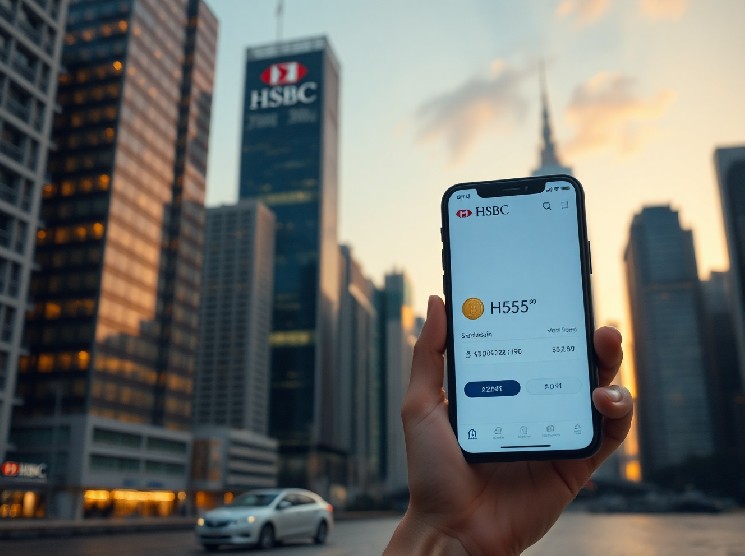
Hong Kong is set to take a significant step forward in digital currency adoption, with the city’s top banking regulator confirming that two major entities will launch stablecoins before the end of 2025. Eddie Yue, Chief Executive of the Hong Kong Monetary Authority (HKMA), revealed in a recent interview that Anchor Technology plans to introduce its stablecoin around the middle of the year, with a pilot program expected to begin in just a few weeks. He also stated that HSBC, one of the world’s largest banking and financial services organizations, intends to launch its own stablecoin in the third or fourth quarter of this year.
Different Use Cases for Two Stablecoin Initiatives
According to Yue, the two companies are targeting distinct areas of the payments ecosystem. Anchor Technology is focusing its stablecoin on global payments, aiming to facilitate faster and more cost-effective cross-border transactions. In contrast, HSBC’s stablecoin will be tailored for personal payments, potentially offering a new digital option for everyday consumer transactions within Hong Kong’s banking system. This strategic differentiation suggests that the HKMA is encouraging a diverse stablecoin market rather than a one-size-fits-all approach.
Regulatory Framework and Timeline
The announcements come as Hong Kong continues to develop a comprehensive regulatory framework for stablecoins. The HKMA has been actively consulting on proposed legislation that would require stablecoin issuers to obtain a license and maintain full backing of reserves. Yue’s public confirmation of these launches signals that the regulatory environment is maturing to a point where major financial institutions feel confident to proceed. The pilot program for Anchor Technology, set to begin within weeks, will likely serve as a test case for the regulator’s oversight capabilities.
Why This Matters for Hong Kong’s Financial Landscape
Hong Kong has been positioning itself as a global hub for digital assets and fintech innovation, even as other jurisdictions tighten regulations. The involvement of a traditional banking giant like HSBC adds significant credibility to the stablecoin sector. For consumers and businesses, the introduction of regulated stablecoins could reduce transaction costs, increase payment speed, and provide a bridge between traditional fiat currency and the digital economy. The HKMA’s proactive stance also sends a strong signal to international investors and crypto firms considering Hong Kong as a base of operations.
Conclusion
The confirmation from HKMA chief Eddie Yue marks a concrete milestone in Hong Kong’s digital currency journey. With Anchor Technology launching a pilot in weeks and HSBC preparing its own stablecoin later in the year, 2025 is shaping up to be a pivotal year for regulated stablecoins in the region. The success of these initiatives could influence how other major financial centers approach stablecoin regulation and adoption. Readers should monitor the pilot program’s outcomes and the finalization of Hong Kong’s stablecoin legislation for further developments.
FAQs
Q1: What is a stablecoin, and why is Hong Kong regulating it?
A stablecoin is a type of cryptocurrency designed to maintain a stable value by being pegged to a reserve asset, such as the US dollar. Hong Kong is regulating stablecoins to ensure consumer protection, financial stability, and proper oversight of digital payment systems.
Q2: When will the HSBC stablecoin be available?
According to HKMA Chief Eddie Yue, HSBC plans to launch its stablecoin in the third or fourth quarter of 2025, pending regulatory approvals and successful testing.
Q3: How will Anchor Technology’s stablecoin differ from HSBC’s?
Anchor Technology’s stablecoin is designed for global payments, focusing on cross-border transactions. HSBC’s stablecoin will target personal payments, likely for everyday consumer use within Hong Kong’s banking system.