
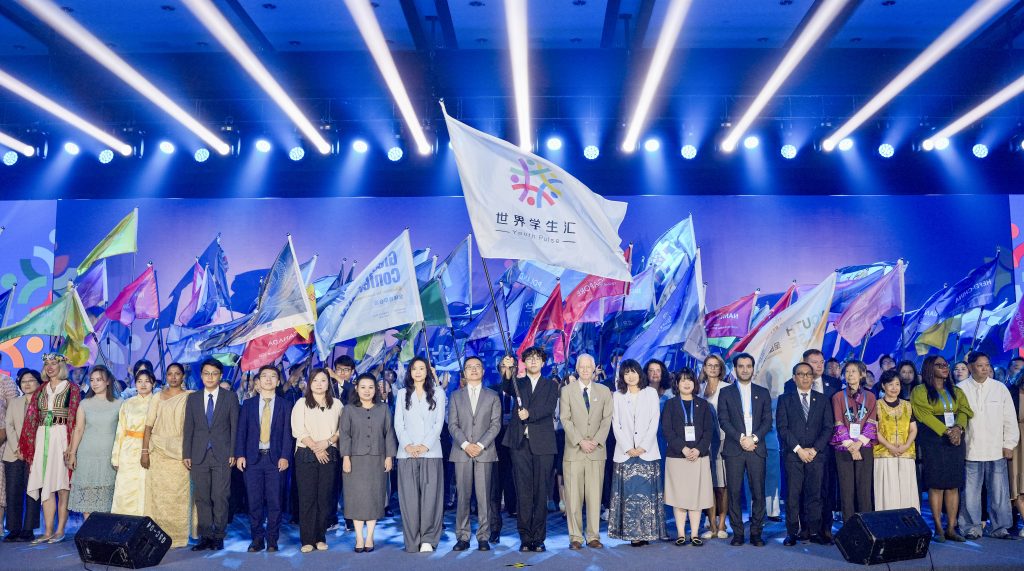
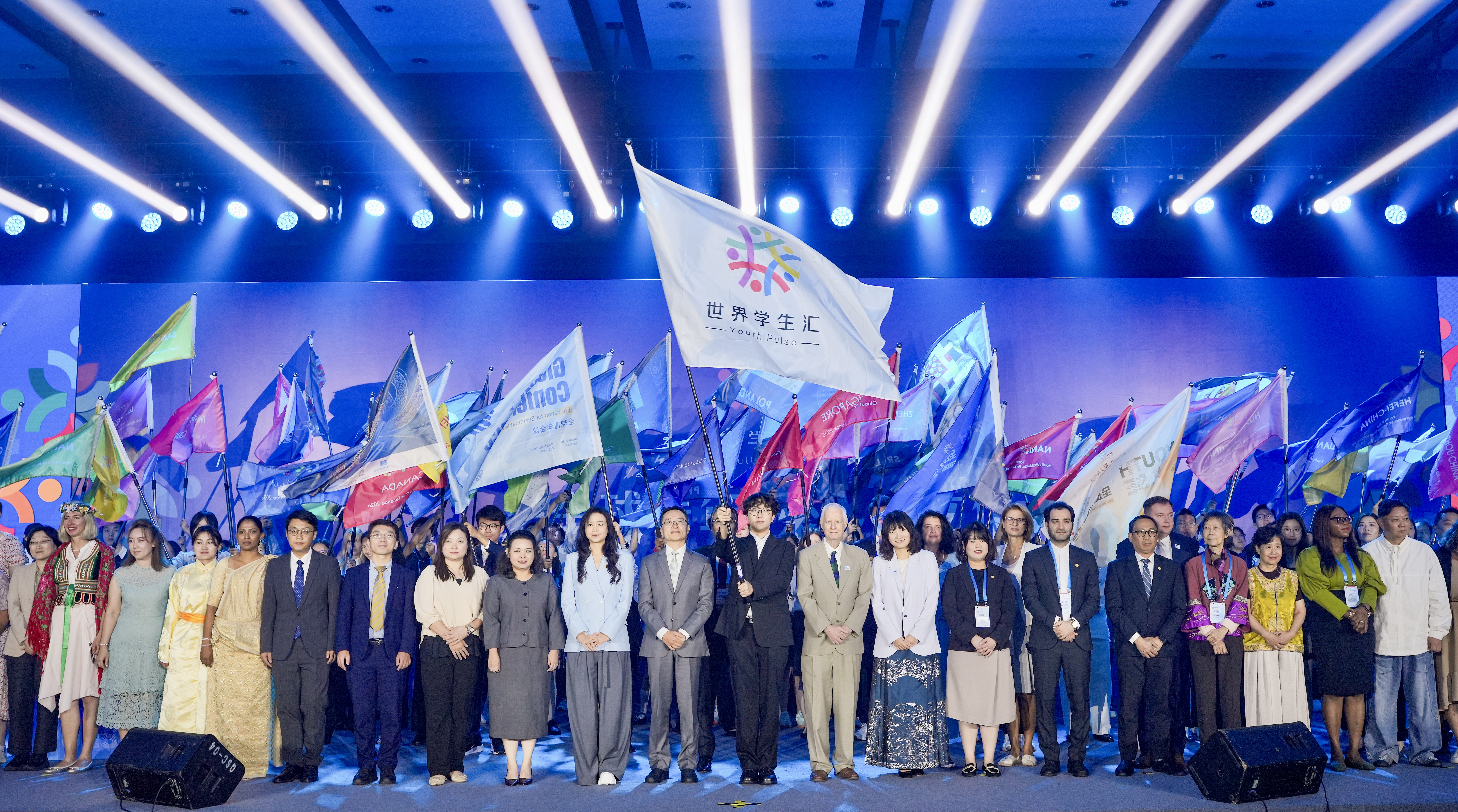
Younger generation should engage openly with their peers, embrace cultural diversity, and contribute to building a peaceful, inclusive and sustainable shared future for humanity, educators and industry leaders told a youth forum on Sunday.
Youth Pulse 2026 – an international cultural exchange platform for youngsters worldwide – kicked off in the special administrative region, aimed at deepening cross-cultural understanding and fostering global friendship.
The three-day event, hosted by 21st Century Media and Education of China Daily and organized by China Daily Hong Kong, has gathered more than 500 students, educators, cultural industry leaders and diplomats from around the world. It features a series of exchange and discussion activities centered on four key themes – public speaking, mutual learning among civilizations, global sustainable development, and intangible cultural heritage.
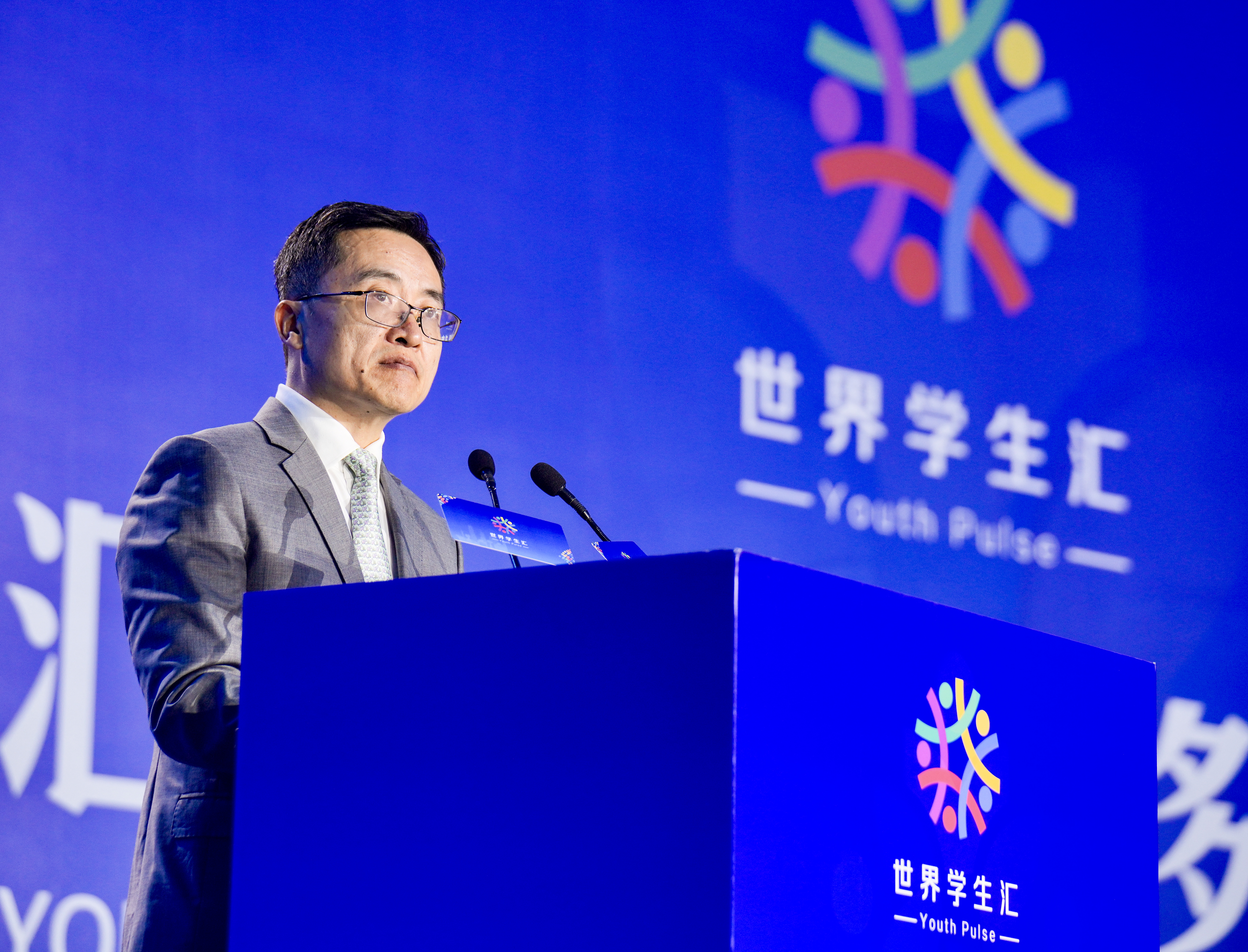
Addressing the opening ceremony, Zhou Li, deputy editor-in-chief of China Daily Group and editor-in-chief of China Daily Hong Kong, urged young people to act as bridges between cultures rather than “walls”.
“Ground yourself deeply in your own culture, so you can appreciate others generously, approach new perspectives with curiosity, not comparison,” he said.
Zhou emphasized that youth should be more than observers to become co‑creators in shaping the future. “Global challenges in technology, climate and governance demand collective answers. Build new ideas together with people who see the world differently than you do,” he said.
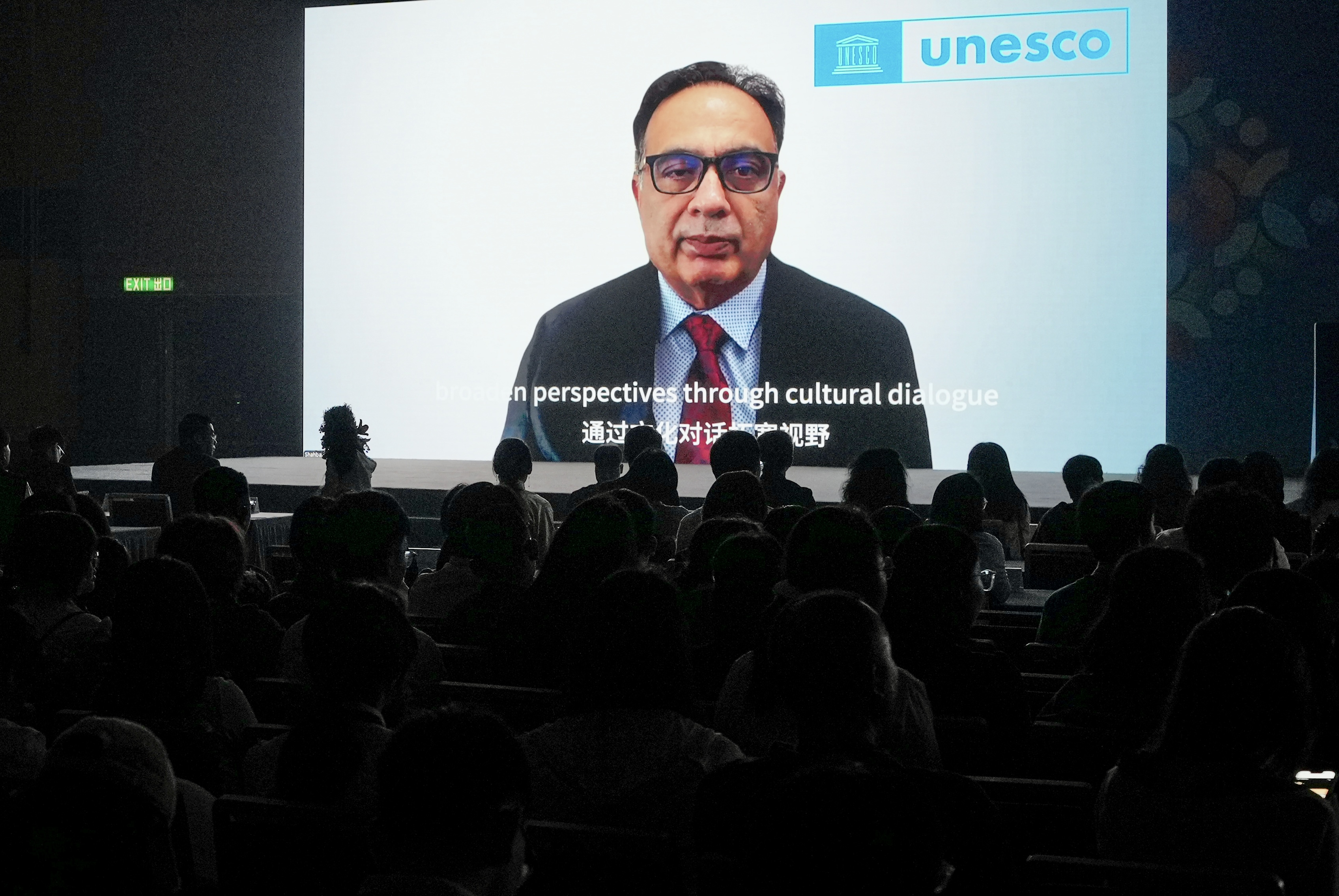
Shahbaz Khan, director of the United Nations Educational, Scientific and Cultural Organization’s Multisectoral Regional Office in East Asia, highlighted the pivotal role of young people as “the driving force of our time and essential actors in achieving sustainable development goals”.
He encouraged Youth Pulse participants to capitalize on the platform for cross-border exchanges, fostering friendships through intercultural engagement and broadening perspectives through dialogue.
“Youth Pulse demonstrates how intercultural dialogue, creativity and youth engagement can contribute to the achievement of sustainable development goals by bringing together young people from different cultures,” Khan said. “It nurtures the global citizenship, empathy and collaborative spirit that our world needs today.”
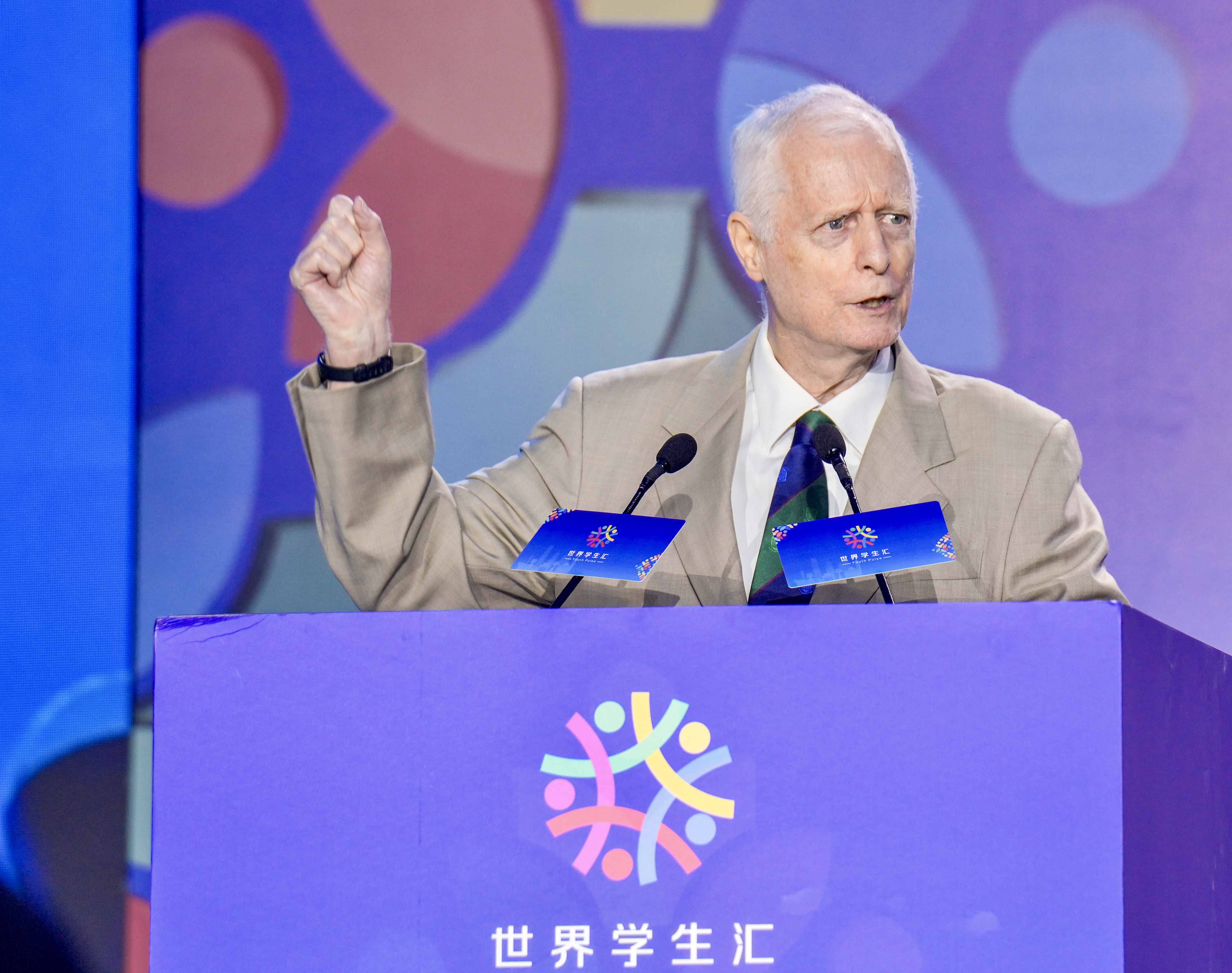
Mark Bray, UNESCO’s chair professor in comparative education at The University of Hong Kong, stressed the importance of cultural exchange and cooperation, saying that cultivating mutual understanding and bearing a collaborative spirit are essential for promoting peace.
Educators and cultural sector leaders also shared insights from their respective fields.
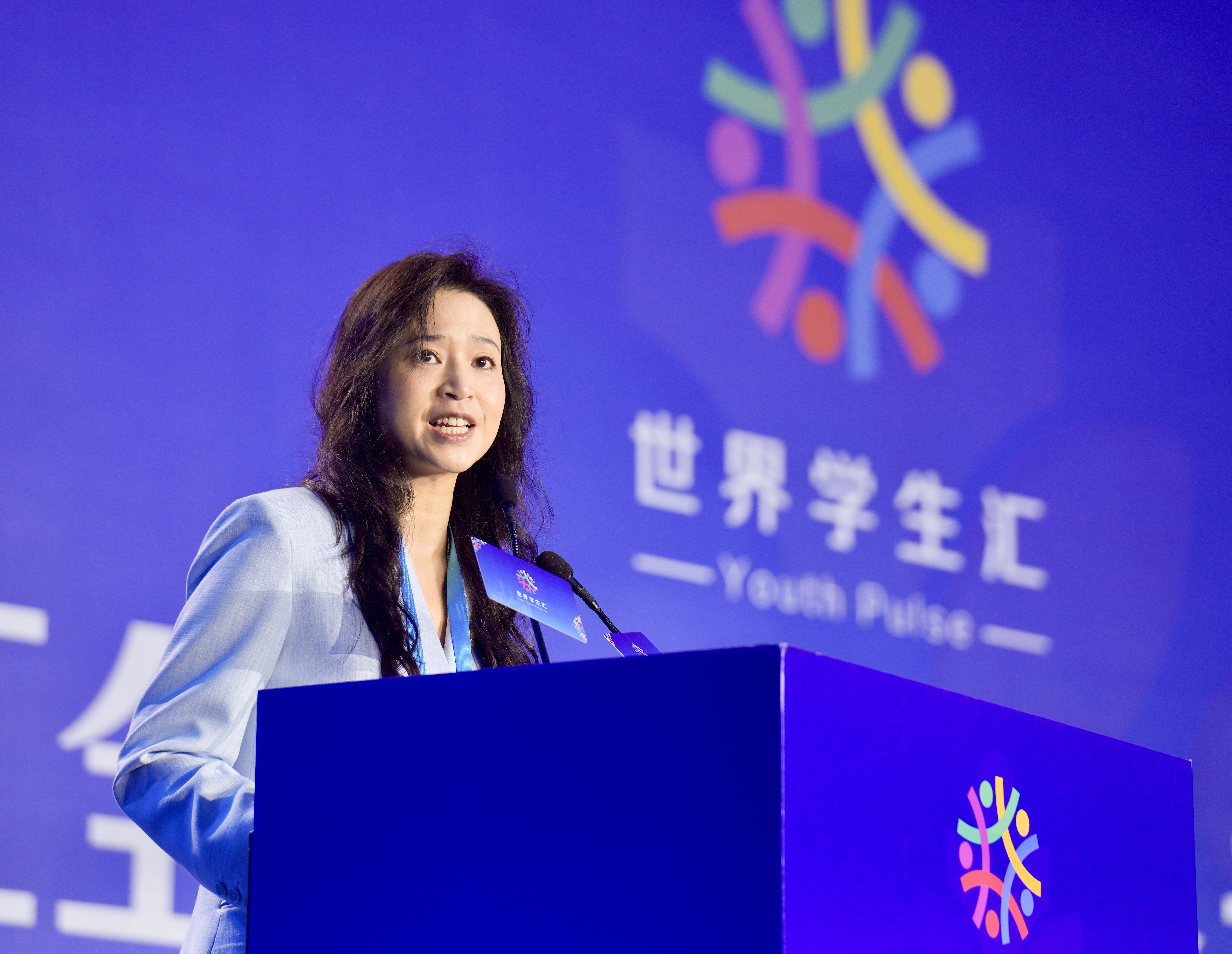
Poman Lo, vice-chairman of Regal Hotels Group and founder of One Earth, said as artificial intelligence technology advances rapidly, it should be harnessed to expand creativity, strengthen relationships and foster care, rather than simply replacing human jobs.
Lo, who also chairs the United Nations ESCAP Finance Task Force, called on the global community to govern AI collectively, responsibly and with accountability.
Sakolwan Pookajorn, principal of TCE International School in Thailand, emphasized the irreplaceable role of teachers and human connection in model education. “Education isn’t just about learning facts. It’s also about bringing people together,” she said, stressing that technology cannot substitute the experience and empathy educators provide.
The opening ceremony also featured cultural performances, including Latin dancing and an accordion solo. With the International Centre for UNESCO Associated Schools Network as an academic advisory unit, the HKSAR’s Home and Youth Affairs Bureau as a supporting unit, as well as New Oriental Global Education and Training and Xueersi Online School as strategic partners, Youth Pulse 2026 will run through Tuesday.
Contact the writer at gabylin@chinadailyhk.com