
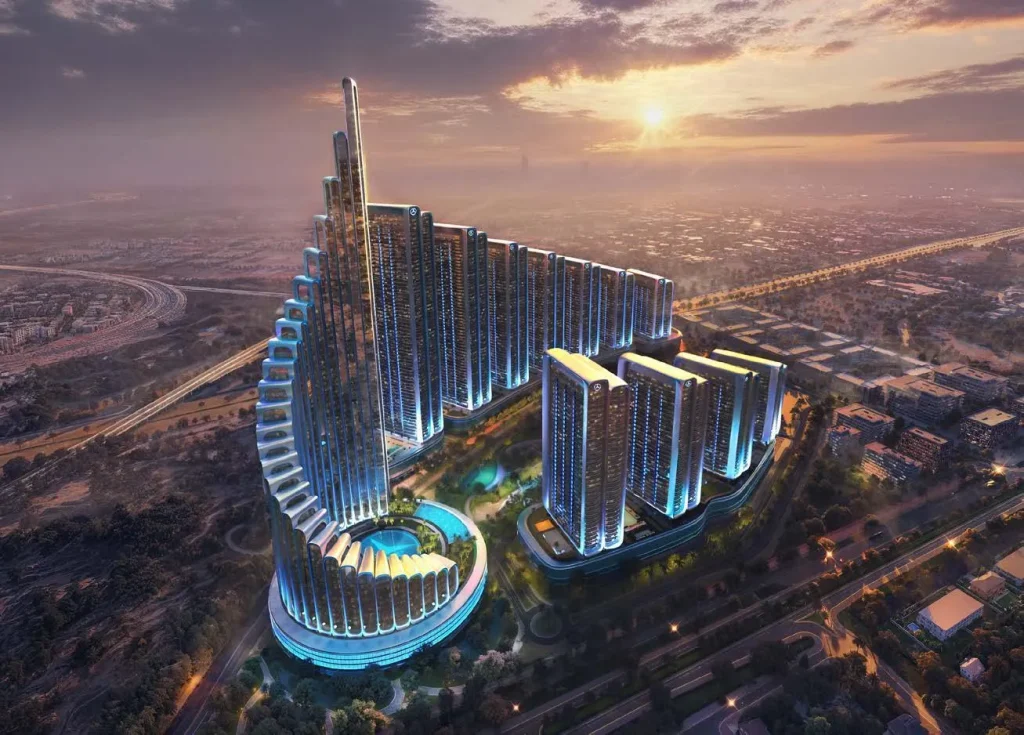
For years, the UAE’s urban planning has often been interpreted through the lens of the skyline, and that has been through height, spectacle, and landmark architecture. However, the country’s next chapter is being shaped less by isolated icons and more by how entire districts are planned, connected, and experienced.
This is because urban planning in the UAE is becoming more strategic, immersive, and place-driven. It is no longer only about what rises above the ground, but about how cities function at street level or how they attract people and create value over time. Across the region, emerging developments point to a broader shift that includes expansion to curation and from standalone buildings to fully designed urban ecosystems.
This transformation is also unfolding within a wider regional context. In a Gulf shaped by economic diversification, global competition, and ongoing geopolitical uncertainty, urban planning is doing more than accommodating growth. It is helping project stability, ambition, and long-term confidence through the built environment.
What is taking shape is a more conscious model of city-making or one that blends branding, public life, infrastructure, density, and cultural identity into a single urban vision.
UAE is Planning the City as a Complete Experience
One of the clearest changes in contemporary urban planning is the move away from fragmented development. Instead of separating housing, retail, leisure, and work into disconnected pockets, newer projects are being conceived as integrated environments where daily life unfolds more seamlessly.
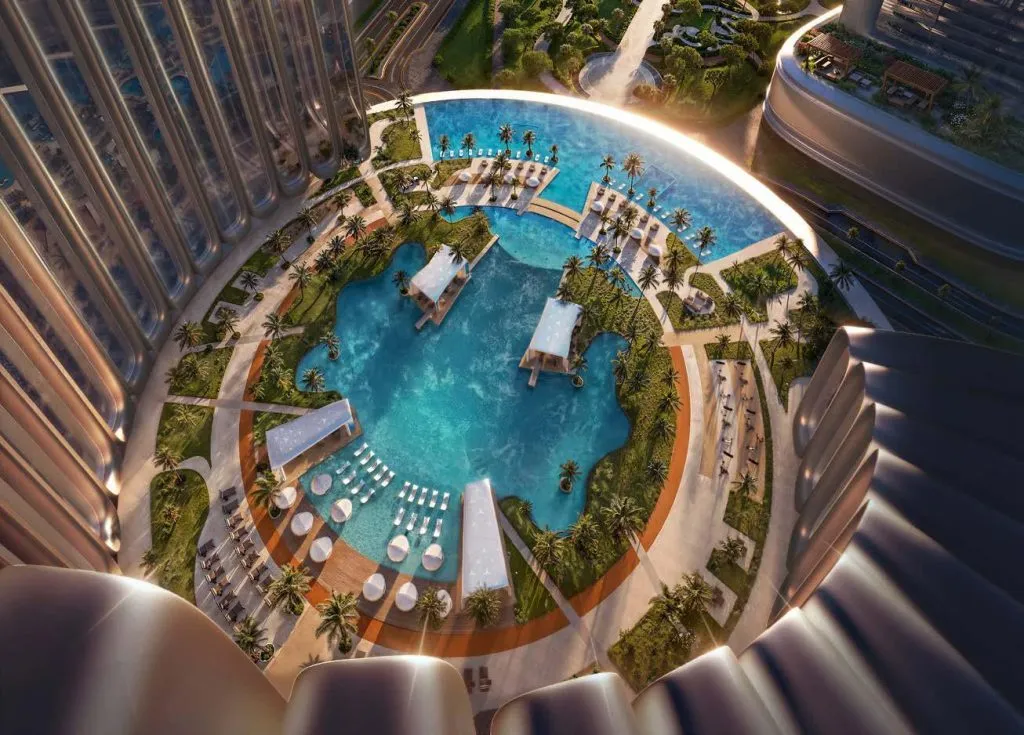
This approach is visible in Binghatti’s Mercedes-Benz branded city in Dubai, which pushes the idea of the masterplanned district into a more lifestyle-led direction. Instead of functioning as a singular luxury real estate project, it is conceptualized as a large-scale urban environment with residences, amenities, mobility systems, and commercial layers working together.
That distinction matters where real estate has often been driven by visual differentiation, and this signals a more mature urban planning model or one where value is increasingly tied to how a place operates. This also reflects a wider global shift in urban thinking. People now want neighborhoods that reduce friction in everyday life, where services, movement, and social spaces are more closely woven together.
Public Space Is Becoming a Strategic Urban Asset
Another major shift is the growing importance of public space, which is not decorative surplus, but as core urban infrastructure. For a long time, large-scale development in the Gulf was often understood through private enclaves, controlled environments, and iconic architectural objects. Today, however, the public space is playing a more central role in shaping how cities are imagined and valued. Streets, parks, walkways, and open civic landscapes are becoming fundamental to how urban districts perform.
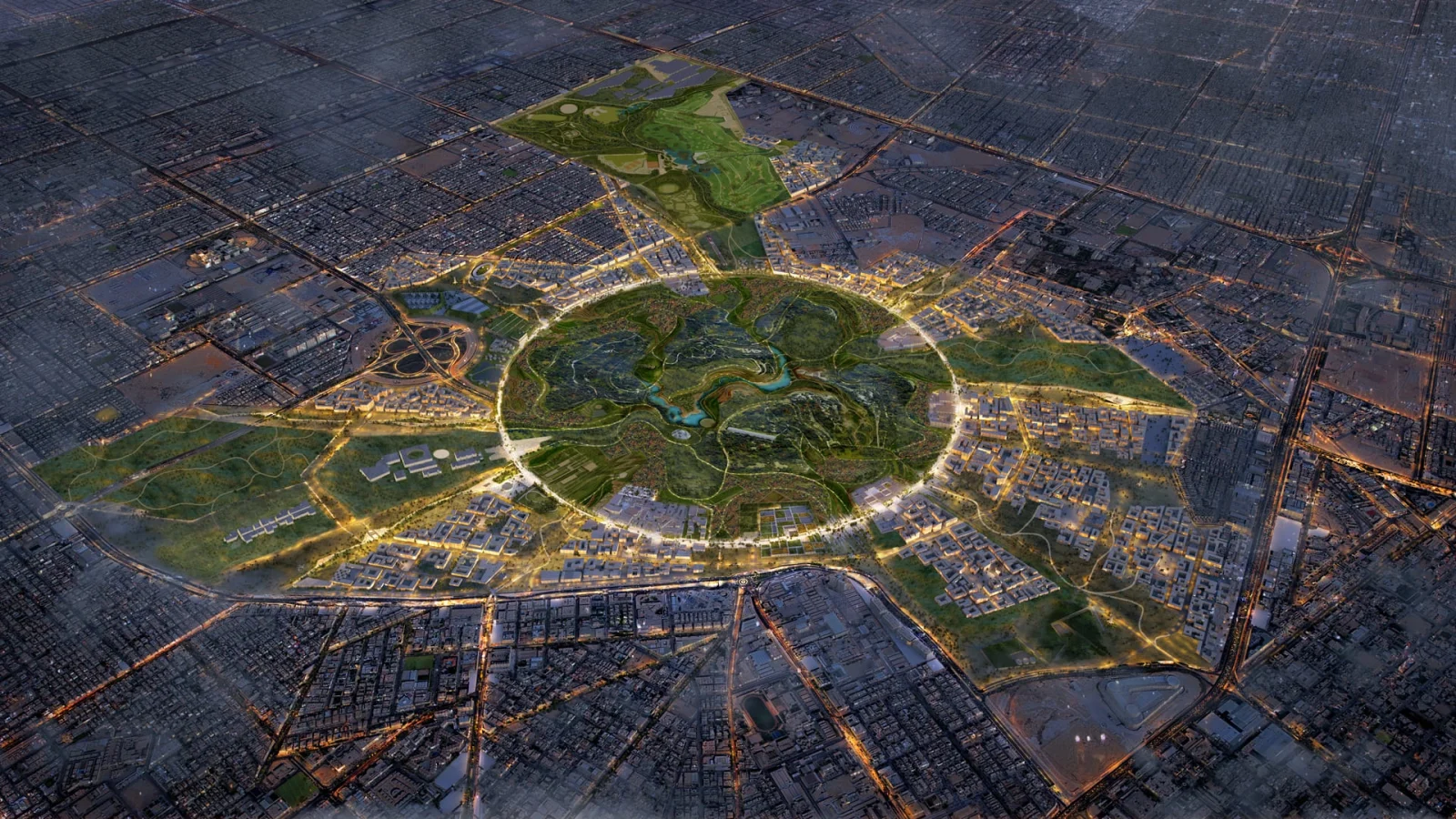
A useful regional reference is King Salman Park in Riyadh, a project that shows how large-scale public landscape can redefine the role of open space in the city. Developed on the site of a former air base, the park is being positioned as a major urban framework or one that connects ecology, mobility, leisure, and culture at a metropolitan scale.
Although the project is in Saudi Arabia, its relevance to the UAE is clear. Across the Gulf, urban planning is beginning to recognize that public space is no longer secondary to development as it shapes livability, walkability, environmental comfort, and long-term urban quality.
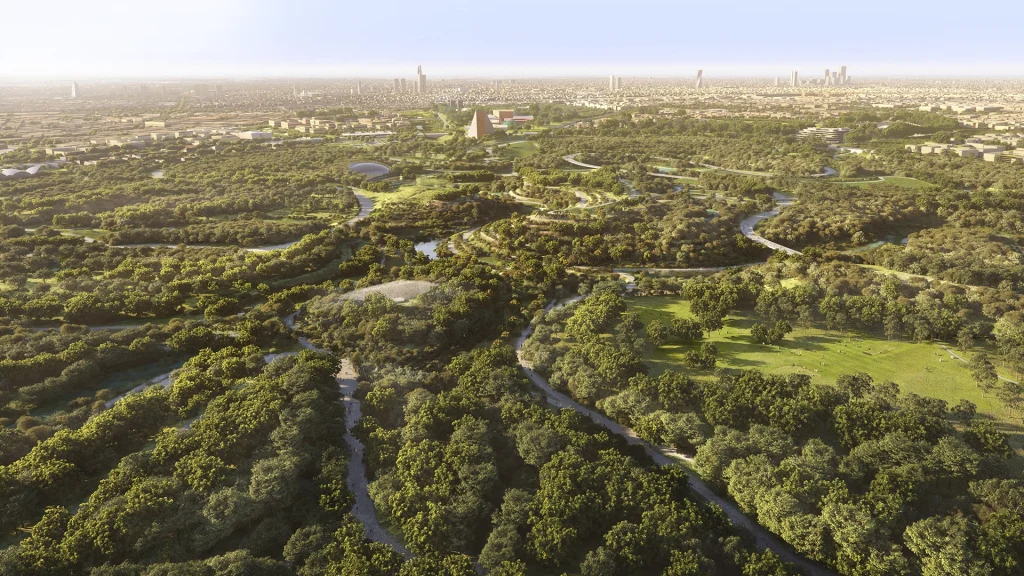
In a region defined by climate extremes and rapid growth, designing usable, attractive, and legible public space has become essential. The future city cannot rely on towers alone. It also needs ground-level life, civic generosity, and spaces people actually want to inhabit.
Urban Identity Is Now Being Planned at District Scale
Perhaps the most distinctive aspect of the UAE’s urban planning shift is how strongly it ties development to identity. New districts are being designed to accommodate activity alongside a recognizable urban narrative. This is where planning begins to overlap with branding, tourism, and cultural positioning.
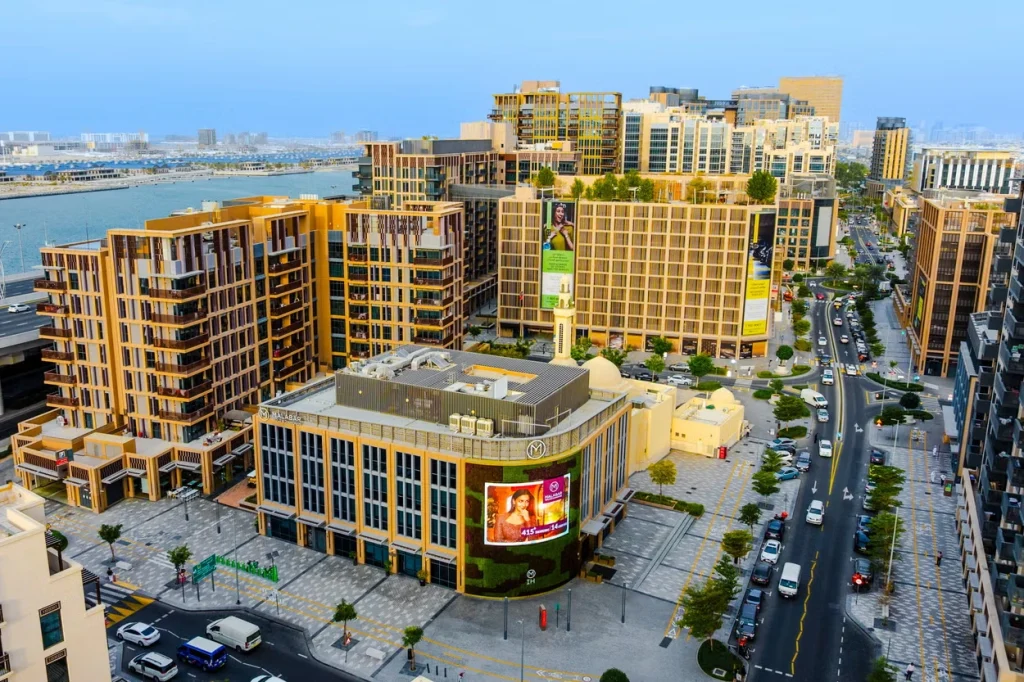
That logic is visible in the announcement of Dubai’s Gold Street, part of the broader Dubai Gold District vision. What makes the idea notable is the way it treats the street itself as an urban experience.
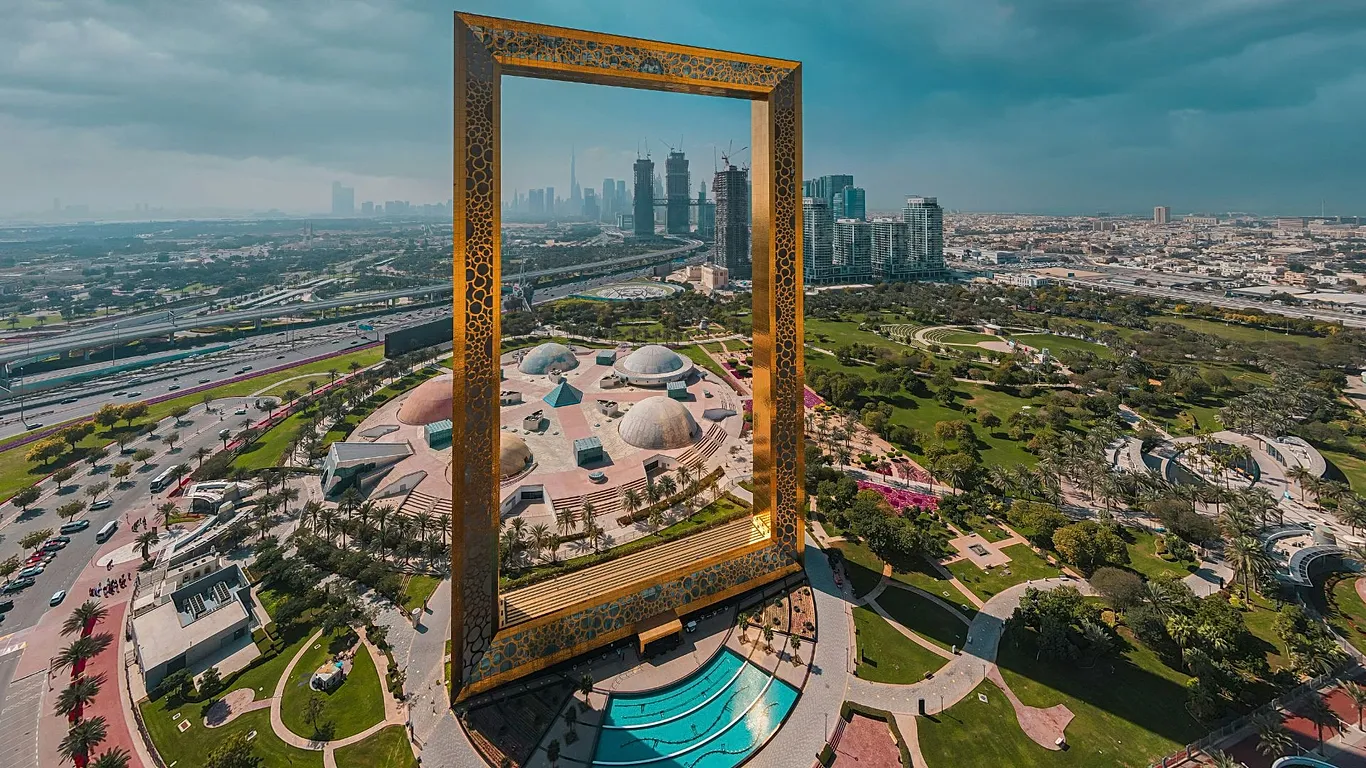
Instead of allowing architecture alone to carry identity, the project pushes that expression into the public cityscape, where planning helps shape a destination that is visually distinct, economically alive, and rich in symbolic presence.
This highlights a distinctive approach to urban planning in the UAE, where city-making goes beyond functional needs like land use and circulation, becoming a tool to shape identity and create memorable, globally marketable places.