
8
UAE’s General Civil Aviation Authority (GCAA) has announced that normal air traffic operations have resumed as of May 2 following the lifting of the temporary precautionary measures that were put in place on February 28 when US-Israel launched coordinated strikes on Iran.
In a statement shared on X, the GCAA announced “the full resumption of normal air navigation operations across UAE airspace,” adding that it will welcome visitors, residents and those transiting through the UAE.
The statement continued, “Following a comprehensive evaluation of operational and security conditions, we have officially lifted the temporary precautionary measures previously in place. This decision was reached in close coordination with all relevant authorities.”
UAE authority added that its priority remains the safety of those travelling, and despite lifting of the measures, it will continue to maintain continuous, real-time monitoring to ensure the highest levels of aviation safety for all.
‘Gradual’ Resumption of Aviation Services
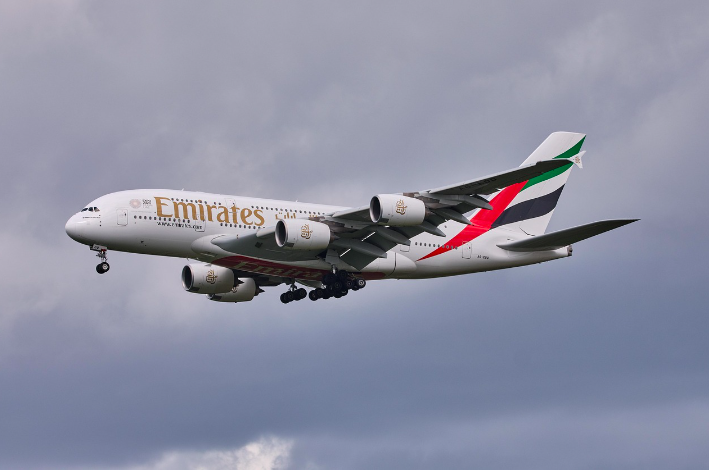
The removal of measures comes just a week after Emirates president Sir Tim Clark pushed for the normal resumption of air traffic movement in Dubai. In a statement shared by Dubai Media Office, the president of Emirates said that the airline had begun operating at around 65% of its operational capacity. He added that Dubai is seeing a strong demand for air travel, which will support ‘rapid recovery’.
The Arabic outlets, citing internal sources, have said that a comprehensive assessment of operational and security conditions was conducted in coordination with relevant authorities before the decision was made. The authority said real-time monitoring remains in place to ensure aviation safety, adding that the technical and operational teams are ready to respond to any developments that might change the safety scenario.
Trump: Iran War ‘Terminated’
US President Donald Trump has formally notified congressional leaders that hostilities with Iran had “terminated,” effectively sidestepping a critical 60-day legal deadline under the War Powers Resolution of 1973 that expired on Friday.
In letters addressed to House Speaker Mike Johnson and Senator Chuck Grassley, the US president argued that because a ceasefire had been in place since April 7 and no exchange of fire had occurred in Iran since then, the legal requirement to seek congressional authorisation to continue the conflict no longer applied.
The administration stated that the 60-day “clock” either pauses or resets during a ceasefire, a claim also peddled by the US Secretary of War. This, the Trump administration says, allows the White House to maintain its current military posture without a formal vote from lawmakers.
Democrat lawmakers, including Senator Jeanne Shaheen, have argued that the ongoing US naval blockade of Iranian oil exports and the continued presence of thousands of US service members in harm’s way constitute “persistent hostilities.”
They have labelled Trump’s move a legally questionable attempt to bypass the Constitution’s requirement that only Congress can declare war. Under the 1973 War Powers Resolution, a US president can wage hostilities only for 60 days before ending them. He would need Congress for authorisation or seeking a 30-day extension due to “unavoidable military necessity regarding the safety of United States Armed Forces.”
Trump’s “termination” of war remark came as the Iranian state news agency IRNA reported Friday that he has received a new proposal from Tehran via the Pakistani mediators.