
Published on
July 20, 2026
By: Srishty Mishra

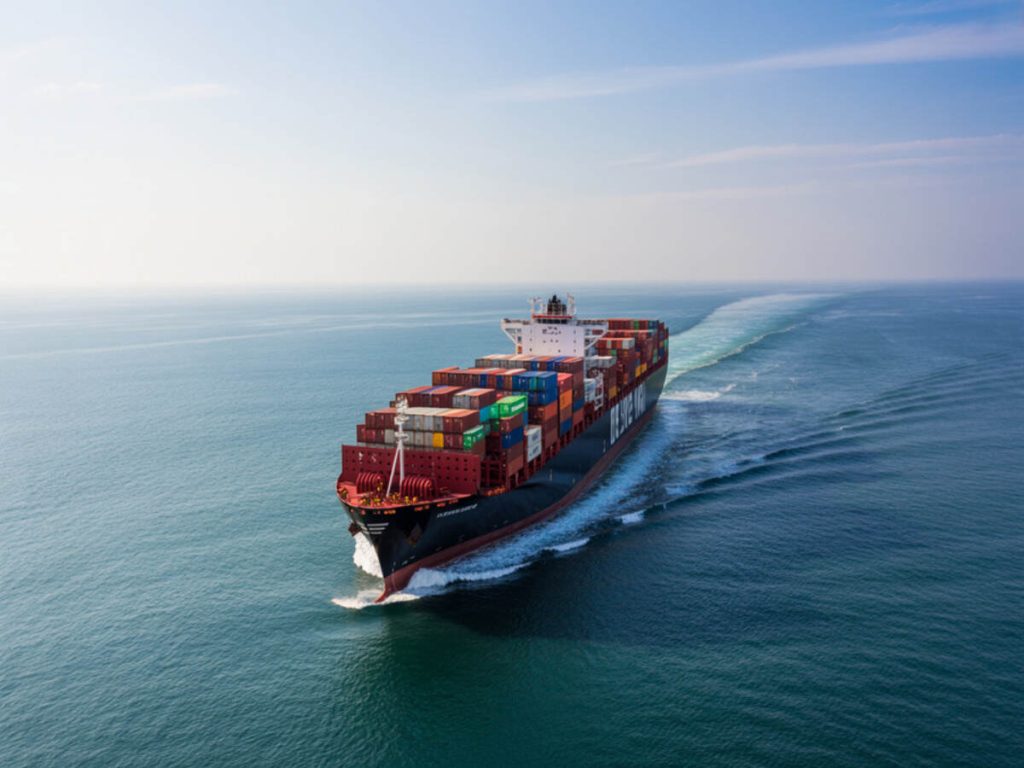
Image generated with Ai
The UAE’s bold energy masterplan is creating a new layer of global supply security as its Hormuz bypass pipeline moves closer to a historic milestone, offering potential stability benefits for Namibia, Kenya, Morocco, South Africa and other African markets by reducing crude oil disruption risks and supporting fuel-dependent sectors such as tourism, aviation, transport and trade. The strategic infrastructure project, designed to strengthen alternative energy flows from the Middle East through Fujairah, could help improve market confidence, protect supply chains and create new economic opportunities across Africa as countries seek stronger resilience against global energy shocks. With aviation networks, tourism businesses and logistics industries highly influenced by fuel costs, the UAE’s expanding energy corridor represents a significant development that may support Africa’s long-term growth ambitions.
The United Arab Emirates is advancing one of its most strategically important energy infrastructure projects as it strengthens an alternative export pathway designed to reduce dependence on the Strait of Hormuz. The UAE’s Hormuz bypass pipeline expansion is emerging as a major energy security development, creating a stronger connection between Abu Dhabi’s crude oil production network and global markets through Fujairah on the Gulf of Oman.
The project has gained international attention because the Strait of Hormuz remains one of the world’s most sensitive energy routes. A large percentage of global oil shipments pass through this narrow maritime corridor every year, meaning any disruption can immediately affect fuel prices, transportation costs, inflation and economic confidence worldwide.
The UAE’s alternative pipeline route is designed to provide additional protection for crude oil exports by allowing more energy supplies to move through Fujairah without depending entirely on Hormuz shipping routes. With the expanded system expected to support capacity of around 1.8 million barrels per day, the development represents a major step towards improving energy resilience.
Advertisement
Advertisement
For Africa, the importance of this project goes beyond oil markets. Many African economies depend heavily on imported fuel for transportation, aviation, logistics and tourism operations. A more stable global energy environment could help reduce volatility, support economic planning and strengthen travel-related industries across the continent.
UAE’s Hormuz Bypass Pipeline Emerges As A Game-Changing Energy Corridor
The UAE already operates the Abu Dhabi Crude Oil Pipeline (ADCOP), connecting Abu Dhabi’s oil fields with the Fujairah export terminal. The system allows crude oil to reach international markets without requiring every shipment to pass through the Strait of Hormuz.
Advertisement
Advertisement
The latest expansion plan represents a wider strategic vision to create a stronger energy corridor capable of protecting exports during periods of geopolitical uncertainty. The project focuses on increasing flexibility, improving supply security and strengthening the UAE’s role as a reliable global energy partner.
The Fujairah route is strategically important because the emirate sits outside the Strait of Hormuz, directly on the Gulf of Oman. This location gives the UAE another gateway to international shipping lanes and strengthens its position as a major energy, storage and logistics hub.
The project does not completely replace the Strait of Hormuz because many regional exporters still rely on the waterway. However, it creates an important alternative option that can reduce pressure on global markets during potential disruptions.
For African countries, the biggest advantage comes from reducing the possibility of sudden fuel supply shocks. Stable energy markets can support airlines, airports, tourism businesses, hotels, road transport operators and industries that depend on predictable fuel costs.
Namibia Gains New Economic Confidence Through Stronger African Energy Stability
Namibia stands among African countries that could benefit indirectly from a more stable global energy environment. While Namibia is not directly supplied through the UAE pipeline, its growing tourism sector and developing economy remain influenced by international fuel prices.
Tourism is a major growth sector for Namibia, with visitors travelling long distances to experience destinations such as the Namib Desert, Etosha National Park and coastal attractions. Aviation connectivity plays a crucial role in bringing international travellers to the country.
Advertisement
Advertisement
Lower energy market uncertainty could support:
- More predictable airline operating costs
- Better tourism planning
- Improved investor confidence
- Stronger regional connectivity
As Namibia continues developing as an African adventure tourism destination, energy stability could help airlines and travel companies maintain competitive operations.
Kenya Receives Potential Relief Through Transport And Tourism Stability
Kenya is one of the African countries that could gain significant benefits from improved global energy security. The country relies heavily on imported petroleum products, making fuel prices a key factor affecting transportation, agriculture, manufacturing and tourism.
The tourism sector is one of Kenya’s economic pillars, attracting international visitors to destinations including:
- Maasai Mara National Reserve
- Amboseli National Park
- Nairobi’s wildlife attractions
- Indian Ocean coastal destinations
A stable fuel environment could support Kenya’s aviation and travel industries by reducing pressure from sudden fuel price increases.
Airlines operating routes into Kenya depend heavily on predictable fuel costs. Lower market uncertainty could support more stable airfares, improved route planning and stronger international connectivity.
Advertisement
Advertisement
The wider economy could also benefit as lower transportation volatility supports hotels, safari operators, logistics companies and tourism supply chains.
Morocco Could Benefit Through Stronger Aviation And Tourism Resilience
Morocco has become one of Africa’s strongest tourism markets, attracting millions of international visitors with its historic cities, Atlantic coastline, cultural experiences and luxury tourism developments.
The country’s tourism growth depends heavily on aviation connectivity. Airports including Marrakech Menara Airport, Mohammed V International Airport in Casablanca and other regional gateways require a stable operating environment.
The UAE energy project could indirectly benefit Morocco by supporting global oil market stability.
Potential advantages include:
- Reduced aviation fuel uncertainty
- Better airline cost management
- Stronger international travel confidence
- More stable tourism investment conditions
Morocco’s expanding connections with Europe, Africa and the Middle East make energy stability increasingly important for its aviation ambitions.
Advertisement
Advertisement
South Africa Gains Support For Aviation, Logistics And Industrial Growth
South Africa is one of Africa’s largest economies and has extensive energy requirements across transport, mining, manufacturing and aviation.
Although South Africa has diverse energy sources, global oil price movements strongly influence domestic fuel costs. Higher oil prices affect airlines, shipping companies, freight operators and tourism businesses.
A more secure global oil supply system could help South Africa by supporting:
- More stable aviation operations
- Reduced transport cost pressure
- Improved tourism competitiveness
- Greater economic predictability
The country’s tourism industry depends on international air connectivity, with visitors arriving for destinations such as Cape Town, Kruger National Park, Johannesburg and the Garden Route.
Fuel stability can support airlines in maintaining routes and expanding connectivity.
Egypt Strengthens Its Position As A Regional Travel And Trade Hub
Egypt could also benefit from improved energy market stability. The country plays a major role in global trade through the Suez Canal and has a large tourism industry based on historical, cultural and coastal attractions.
Advertisement
Advertisement
Energy price fluctuations influence:
- Transportation costs
- Cruise operations
- Aviation expenses
- Tourism business operations
A stronger UAE energy corridor could reduce concerns about major supply disruptions and support confidence across regional markets.
Egypt’s tourism recovery and aviation growth depend on maintaining affordable and reliable travel connections. Stable energy conditions can contribute to stronger visitor flows and investment opportunities.
Tanzania Benefits From Improved Fuel Security For Tourism Growth
Tanzania’s economy is closely connected with tourism, especially through world-famous destinations such as:
- Serengeti National Park
- Mount Kilimanjaro
- Zanzibar
Fuel costs directly influence safari operations, domestic transport, aviation services and hospitality businesses.
A more stable international energy market could help Tanzania manage operating costs and support tourism expansion.
Advertisement
Advertisement
Improved energy confidence could encourage:
- More airline partnerships
- Better tourism infrastructure investment
- Stronger visitor experiences
- Greater regional connectivity
For East Africa’s tourism industry, reliable energy supply is a foundation for long-term growth.
Nigeria And Angola See Different Opportunities From Global Oil Stability
Nigeria and Angola are among Africa’s largest oil-producing countries, meaning their relationship with global energy markets is different from fuel-importing nations.
Nigeria could benefit from improved global market stability because predictable energy transportation supports international oil trading. However, lower geopolitical risk premiums may also reduce sudden price increases that sometimes increase export revenues.
Angola, another major oil producer, could gain from a more stable global energy environment. Reliable shipping conditions and stronger market confidence can support long-term investment planning.
For both countries, the UAE project represents a broader shift towards stronger global energy security.
Advertisement
Advertisement
Africa’s Tourism And Aviation Industries Could Become Major Winners
The UAE’s Hormuz bypass pipeline is primarily an energy security project, but its impact could extend into travel and tourism.
Aviation is one of the industries most sensitive to fuel prices. Airlines across Africa face significant operating costs from jet fuel, and sudden increases can affect ticket prices, route expansion and passenger demand.
A more stable energy market could support:
- Airline network expansion
- More affordable travel options
- Stronger airport growth
- Increased tourism investment
African destinations competing for international visitors could benefit from improved confidence among airlines, investors and travellers.
A New Era Of Energy Resilience Linking The Middle East And Africa
The UAE’s Hormuz bypass pipeline represents more than an infrastructure project. It reflects a wider global movement towards building stronger supply chains and reducing dependence on vulnerable routes.
For African nations including Namibia, Kenya, Morocco, South Africa, Egypt and Tanzania, the benefits are mainly indirect but strategically important.
Advertisement
Advertisement
The project could help create a more stable environment for fuel-dependent sectors, especially tourism, aviation, logistics and trade.
The UAE’s near-complete Hormuz bypass pipeline is set to strengthen global energy security by creating a safer alternative crude oil export route, potentially supporting Namibia, Kenya, Morocco, South Africa and other African economies through greater fuel stability, reduced supply risks and stronger growth opportunities for tourism, aviation and trade sectors.
As the UAE moves closer towards completing this ambitious energy masterplan, its impact could extend far beyond the Middle East, creating new confidence across international markets and supporting Africa’s next phase of economic and travel growth.
Advertisement
Advertisement
