
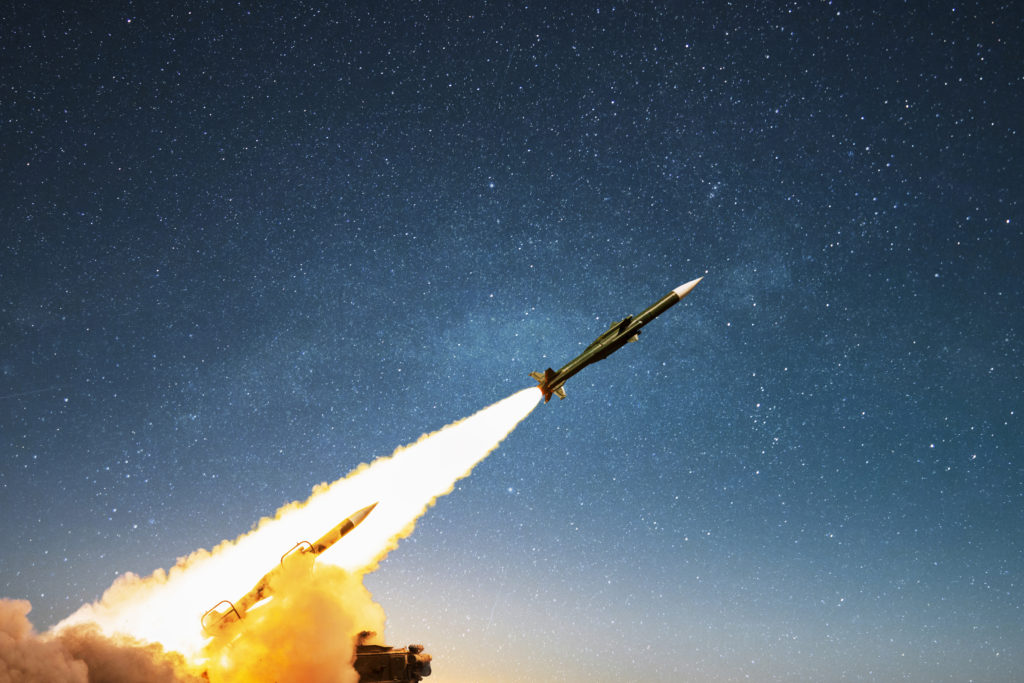
Prices of ammonium paratungstate (APT) are up more than 200% since the start of the year. Stock image.
Tungsten prices have powered further into record-high territory, fuelled by China’s tightening export controls and surging military demand, with supplies stretched thin.
Tungsten is used in aerospace and defence equipment because its extreme heat resistance and hardness allow components to withstand intense temperatures, stress and wear.
Prices of ammonium paratungstate (APT), an intermediate used to produce tungsten metal, were above $3,000 per metric ton in Rotterdam, up more than 200% since the start of the year.
China dominates the global tungsten market. It imposed new export restrictions on tungsten in 2025 and cut mining quotas for that year. In December 2025, China said only 15 firms would be allowed to export tungsten in 2026–2027.
In February, China prohibited exports of dual-use items to 20 Japanese entities that it said supply Japan’s military.
Almonty – a key tungsten producer beyond China – began mining at its South Korean mine in March, and a planned Phase 2 expansion is expected to come online in 2027.
The United States currently has no active commercial tungsten mines and while a few projects are under development to curb dependence on Chinese supply, there is no established timeline for production to resume.
Project Blue estimates the global tungsten market was about 129,000 metric tons in 2025. It added that defence demand, currently estimated at around 12% of the tungsten market, is expected to grow to roughly 15% between 2027 and 2028, as stockpile replenishment keeps demand elevated.
Argus said the automotive sector, consuming 25%-30% of tungsten, is currently the largest consumer, though rising EV adoption may curtail consumption.
Defence-sector demand is growing about 8% annually, and if trends hold, defence could overtake automotive as tungsten’s largest consumer by the mid-2030s, said Cristina Belda, senior analyst at Argus.
(By Ashitha Shivaprasad and Anmol Choubey)