
Close Menu
Simply Invest Asia
  • Home
  • About us
  • Explore industries/sectors
    • Automobile
    • Aviation
    • Banking
    • Biotechnology
    • Chemical & Fertilizer
    • Entertainment and Media
    • Food Processing
    • Healthcare
    • Iron and Steel
    • Leather
    • Mining
    • Oil and Gas
    • Pharmaceutical
  • Explore by countries
    • China
    • Dubai / UAE
    • Hong Kong
    • India
    • Indonesia
    • Japan
    • Malaysia
  • Explore cities
    • Bangkok
    • Beijing
    • Chongqing
    • Delhi
    • Dubai
    • Guangzhou
    • Jakarta
    • Kuala Lumpur
  • Why Asia
Facebook X (Twitter) Instagram Threads
Trending:
  • Siam Piwat names The Bureau of Wonders PR partner for Bangkok Watch Week 2026
  • Lloyds Stock And 2 More Dividend Shares Yielding Over 3%
  • 200 biotech companies and investors call on EU to carry out urgent capital reform
  • Limiting access to top AI models in the U.S. could hand China an opening as capability gap narrows – CNBC
  • UN’s ‘grave concern’ for Dubai resident held in Iraq for five years
  • How dealers can stay ahead of Carvana, direct-sales rivals, Chinese brands – Automotive News
  • Delhi EV policy to accelerate electric two wheeler adoption
  • Chongqing Machinery & Electric Approves Share Reduction Plan In GRIPM Advanced Materials — TradingView News
  • UAE strongly condemns Israeli attacks on Syria – ARN News Centre
  • 29 years on, Hong Kong SAR is stronger than ever
  • Malaysia prolongs Ocean Infinity’s MH370 deep-sea search for another year
  • Relive the epic Australia-India clash at Lord's | Women's T20WC 2026 | ICC Women's T20 World Cup, 2026 – ICC
  • Antares & Novartis: A Major Oncology Drug Collaboration
  • Canva champions AI creativity to everyday Indonesians with ‘NyatAIn di Canva’ campaign
  • GDRFA Dubai scientific research award launches second edition to drive innovation and future-ready government services
  • Ishka: SMBC bank sells $2bn aircraft loan portfolio but is not exiting aviation
  • Hong Kong: Beijing Tightens Social Control
  • Brazil “motivated and confident” says Ancelotti ahead of Japan clash
Monday, June 29
Facebook X (Twitter) Instagram
Simply Invest Asia
  • Home
  • About us
  • Explore industries/sectors
    • Automobile
    • Aviation
    • Banking
    • Biotechnology
    • Chemical & Fertilizer
    • Entertainment and Media
    • Food Processing
    • Healthcare
    • Iron and Steel
    • Leather
    • Mining
    • Oil and Gas
    • Pharmaceutical
  • Explore by countries
    • China
    • Dubai / UAE
    • Hong Kong
    • India
    • Indonesia
    • Japan
    • Malaysia
  • Explore cities
    • Bangkok
    • Beijing
    • Chongqing
    • Delhi
    • Dubai
    • Guangzhou
    • Jakarta
    • Kuala Lumpur
  • Why Asia
Simply Invest Asia
Home»Explore by countries»China»Overseas development remains essential for Chinese football
China

Overseas development remains essential for Chinese football

By IslaJune 29, 20264 Mins Read
Share
Facebook Twitter Pinterest Threads Bluesky Copy Link


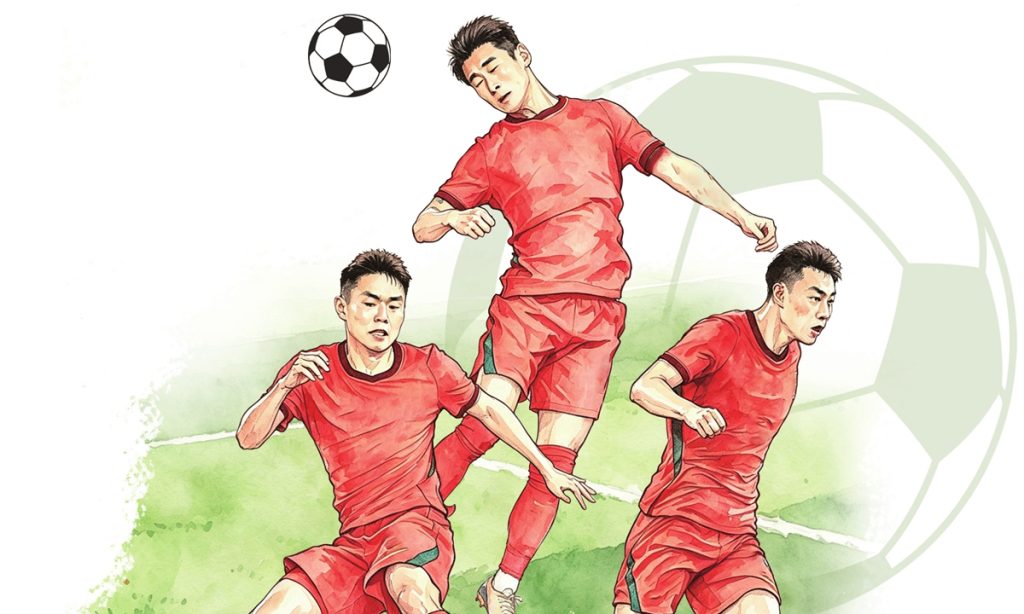
Illustration: Liu Xidan/GT

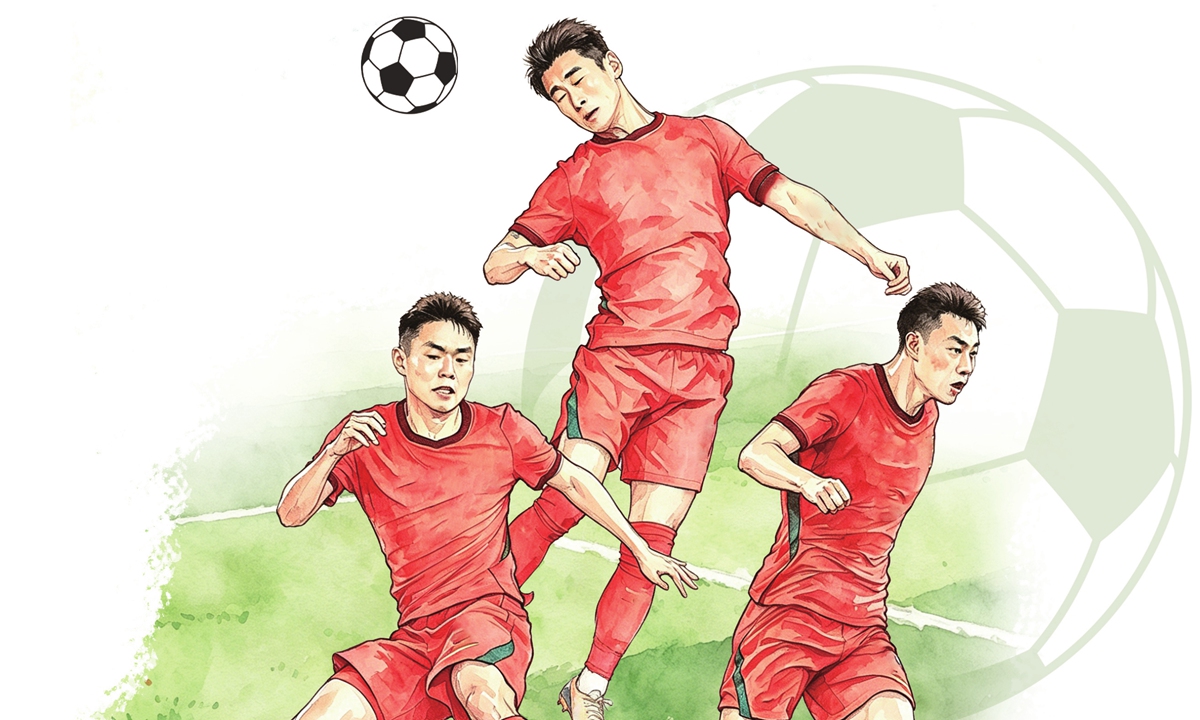
Illustration: Liu Xidan/GT

With the FIFA World Cup still underway, over in China the Chinese Super League (CSL) quietly resumed its domestic schedule. 

The contrast was striking. While much of the football world remained focused on the tournament, China once again watched from afar after failing to qualify. 

That reality says as much about the current state of Chinese football as any result on the pitch.

The expansion of the FIFA World Cup from 32 to 48 teams has undoubtedly created unprecedented opportunities for Asian football. The Asian Football Confederation (AFC) saw its allocation increase from 4.5 places to eight automatic spots plus one intercontinental playoff berth, allowing a record nine Asian teams to qualify for the 2026 finals. 

Traditional Asian football powerhouses such as Japan, South Korea, Australia, Iran and Saudi Arabia were joined by newcomers including Jordan and Uzbekistan. Yet as the group stage concluded, the excitement of nine Asian teams participating gave way to a more sober assessment. Several Asian teams struggled to cope with the intensity, pace and tactical sophistication of opponents from Europe, South America and Africa. 

For China, which once again watched the tournament from afar, the lessons may be even more significant.

One point deserves particular attention: Among Asia’s most competitive national teams, those that have consistently exported players to Europe’s top leagues have generally been better equipped to cope with the competitiveness of international football.

Japan’s football development provides a clear example. Its World Cup squad is overwhelmingly composed of players based in Europe, many of them competing in the top divisions of England, Germany, Spain, France, the Netherlands and Portugal. Australia’s squad likewise features numerous players developed or playing abroad.

Their footballing identities have been shaped not only by domestic systems but also by regular exposure to faster, more physical and tactically demanding competitions. 

This is not to suggest that playing overseas automatically produces successful national teams. Football tournaments are decided by small margins, and even well-developed football powerhouses can be eliminated after one poor performance. Football remains a sport decided by countless variables, from tactical decisions to injuries and moments of fortune. 

However, there is an important distinction between individual tournament outcomes and long-term development.

Those Japanese and Australian systems expose players to higher standards every week rather than only during occasional international matches. They become accustomed to faster transitions, more demanding physical contests and sophisticated tactical structures. When international tournaments arrive, these players are not experiencing elite football for the first time, they have already been living it throughout the club season.

China currently faces a very different situation.

The CSL remains the primary platform for most national team players. Its overall competitive intensity remains far below Europe’s leading competitions. 

The consequences extend beyond individual player development.

Modern international football requires players to process information more quickly, make decisions under relentless pressure and maintain high physical output throughout 90 minutes or more. 

These qualities are difficult to replicate through domestic competition alone if the overall standard of the league is significantly lower than the international level on display at the World Cup. China’s international schedule has also been relatively limited against elite non-Asian opponents in recent years.

 Opportunities to face European or African teams consistently have been scarce, reducing valuable opportunities for players to adapt to different tactical approaches before major qualification campaigns. This is why sending more players abroad should not be viewed as a symbolic objective or a public relations achievement. It should be understood as a critical component of player development.

Of course, encouraging overseas careers cannot become a shortcut that ignores domestic reform.

European clubs will not sign Chinese players simply because China hopes they will. Overseas opportunities must be earned through technical quality, tactical intelligence and professional standards. That requires improvements at the grassroots level such as stronger youth academies, better coaching education, and more competitive youth leagues.

A stronger domestic league and greater overseas representation are therefore not contradictory goals. In fact, they reinforce each other.

The expansion of the World Cup has lowered the qualification threshold for many regions, but it has not changed the fundamental demands of success at the tournament itself. Qualifying more easily is one thing; competing with the world’s elite remains something entirely different.

If Chinese football hopes not merely to return to the World Cup but eventually to compete there with confidence, producing more players capable of thriving in the world’s strongest leagues must remain a long-term priority. There is no single solution to rebuilding Chinese football. 

However, if this World Cup has reinforced one lesson, it is that overseas development is not an optional extra, but remains one of the game’s most important lessons.

The author is a reporter with the Global Times. life@globaltimes.com.cn


Source link

Related Posts

Limiting access to top AI models in the U.S. could hand China an opening as capability gap narrows – CNBC

June 29, 2026

Guangdong Museum releases landmark collection series on Chinese cultural treasures – PA Media

June 29, 2026

China commits additional 100m yuan in emergency aid to Venezuela

June 29, 2026
Add A Comment
Leave A Reply Cancel Reply

Top Posts

China Scraps 12,000 Degrees in Biggest Academic Overhaul in Years

June 14, 2026

Chinese Wall may stem India tech flows for electronics and automobile

June 1, 2026

Abandoned malls, whispers of nuclear war and young foreigners detained. This is what’s REALLY going on in Dubai… and the chilling warning one taxi driver gave to the Mail’s IAN BIRRELL

April 11, 2026
Don't Miss

Siam Piwat names The Bureau of Wonders PR partner for Bangkok Watch Week 2026

By IslaJune 29, 2026

Bangkok, Thailand – Siam Piwat Group has appointed strategic communications agency The Bureau of Wonders…

Lloyds Stock And 2 More Dividend Shares Yielding Over 3%

June 29, 2026

200 biotech companies and investors call on EU to carry out urgent capital reform

June 29, 2026

Limiting access to top AI models in the U.S. could hand China an opening as capability gap narrows – CNBC

June 29, 2026
SUBSCRIBE TO OUR NEWSLETTER

Get our latest downloads and information first. Complete the form below to subscribe to our weekly newsletter.


I consent to being contacted via telephone and/or email and I consent to my data being stored in accordance with European GDPR regulations and agree to the terms of use and privacy policy.

Stay In Touch
  • Facebook
  • YouTube
  • TikTok
  • WhatsApp
  • Twitter
  • Instagram
Top Trending

Antares & Novartis: A Major Oncology Drug Collaboration

By IslaJune 29, 2026

Canva champions AI creativity to everyday Indonesians with ‘NyatAIn di Canva’ campaign

By IslaJune 29, 2026

GDRFA Dubai scientific research award launches second edition to drive innovation and future-ready government services

By IslaJune 29, 2026
Most Popular

India dismisses Nepal’s Kailash yatra objection over Lipulekh Pass | India News

May 3, 2026

HSR making smooth progress in western China

June 16, 2026

Iran and UAE Foreign Ministers Hold Phone Talks

June 26, 2026
Our Picks

SPC Free Zone expands opportunities for India–UAE publishing collaboration — TradingView News

June 11, 2026

East Africa’s aviation ambitions grow as Uganda Airlines signs $985 million deal with US plane maker Boeing for 10 aircraft

June 11, 2026

Danish women stun field to claim Melrose Claymores Sevens title in Hong Kong

April 20, 2026
SUBSCRIBE TO OUR NEWSLETTER

Get our latest downloads and information first. Complete the form below to subscribe to our weekly newsletter.


I consent to being contacted via telephone and/or email and I consent to my data being stored in accordance with European GDPR regulations and agree to the terms of use and privacy policy.

© 2026 Simply Invest Asia.
  • Get In Touch
  • Cookie Policy
  • Privacy policy
  • Terms & Conditions

Type above and press Enter to search. Press Esc to cancel.

SUBSCRIBE TO OUR NEWSLETTER

Get our latest downloads and information first.

Complete the form below to subscribe to our weekly newsletter.


I consent to being contacted via telephone and/or email and I consent to my data being stored in accordance with European GDPR regulations and agree to the terms of use and privacy policy.