
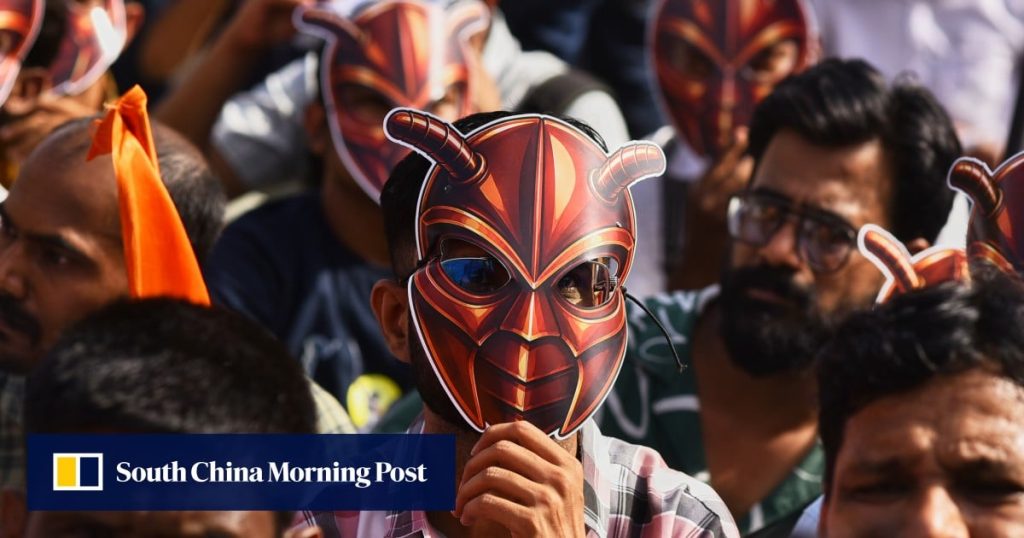
The sudden viral rise of India’s Cockroach Janta Party (CJP), a satirical movement seeking to push young Indians from online protest into politics, has fuelled speculation that it could mark the start of broader youth-led unrest, similar to the uprisings that shook Sri Lanka, Bangladesh and Nepal.
But while political analysts say the party reflects a deep undercurrent of anger among young Indians, they argue it is unlikely for now to become a mass movement on that scale because it has yet to show it can turn online momentum into sustained street mobilisation.
The CJP emerged last month after Chief Justice Surya Kant sparked controversy by describing some unemployed youth and activists as “cockroaches” and “parasites”.
In an act of defiance, young Indians reclaimed the term “cockroach” as a symbol of resilience against the political establishment, forming the CJP as a satirical play on the ruling Bharatiya Janata Party.
What began as a stream of AI-generated memes, parody posts and dark humour quickly developed into an online collective, amassing more than 22 million Instagram followers within weeks of its launch.
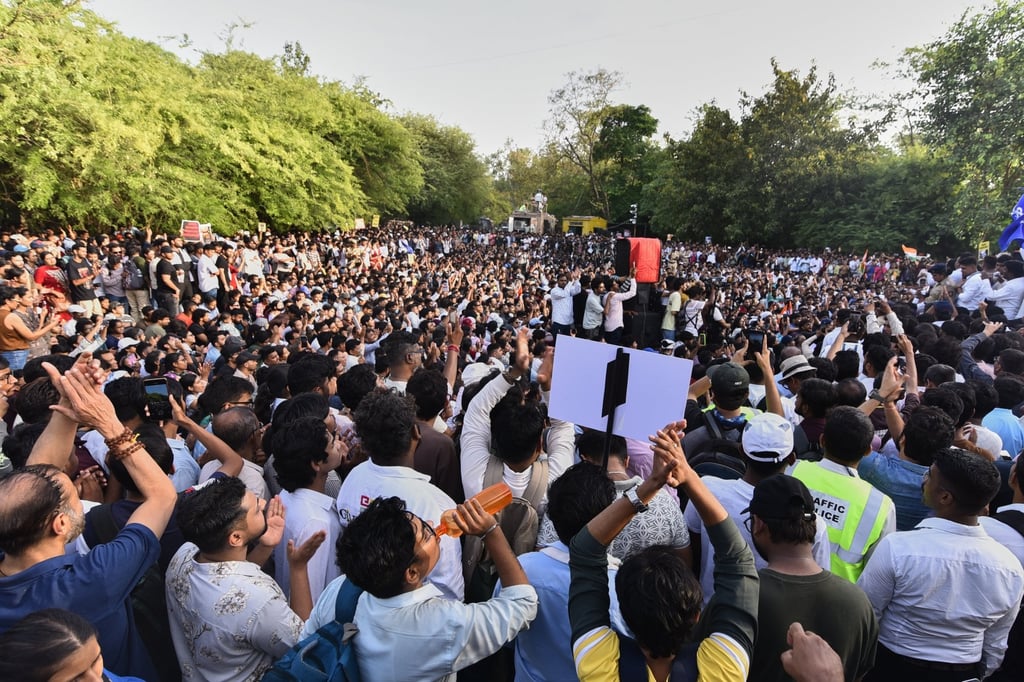
The movement then tried to convert that digital following into real-world pressure on June 6, when hundreds of supporters gathered at Jantar Mantar in New Delhi to protest against alleged paper leaks, grading errors and other irregularities in competitive examinations.