
1. In Marshall, Michigan, a $3 billion battery plant backed by Ford Motor Co. and using technology from China’s Contemporary Amperex Technology Co. Ltd. (CATL) is taking shape. The plant is structured under a License Royalty Service model, where CATL provides technology and support in exchange for fees without taking an equity stake, aiming to be a compromise in a difficult geopolitical environment. [para. 1][para. 2][para. 3]
2. On June 1, China’s State Council issued the country’s first comprehensive regulation governing outbound investment, taking effect July 1. The rules elevate previous guidelines into a formal legal framework covering a wider range of overseas activities, extend oversight to individuals, and bar outbound investment from being used to export banned goods or technologies. They also strengthen national security reviews and introduce countermeasures against discriminatory actions by foreign governments. [para. 4][para. 5]
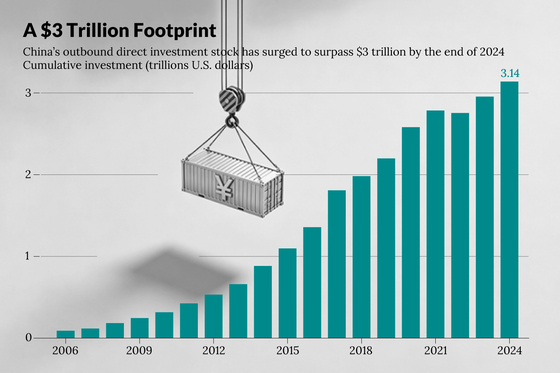
3. The new regime reflects Beijing’s effort to balance China’s vast global investment footprint, which has surpassed $3 trillion in accumulated outbound direct investment by the end of 2024, against concerns over national security and technology loss. Recent examples include blocking Meta’s acquisition of AI company Manus due to regulatory arbitrage concerns. [para. 6][para. 7]
4. For traditional manufacturers, the immediate impact may be limited. Experts say the rules encourage continued outbound investment but create a unified and transparent management system, making clear that companies cannot use overseas investments to bypass domestic restrictions. The cost of noncompliance is rising, with liability expanded beyond legal representatives to directly responsible managers. [para. 8][para. 9][para. 10]
5. A key shift is the expansion of regulatory targets to individuals, not just corporate entities. Previously governed by “Document 37,” individual outbound investment now falls under a broader framework, potentially complicating offshore “red-chip” structures used by Chinese technology companies for overseas listings. Compliance burdens will vary, but for individual founders, oversight now extends beyond foreign-exchange registration. [para. 11][para. 12][para. 13]
6. The new rules could delay or complicate offshore IPOs by demanding more complete compliance records from securities regulators and intermediaries. They also increase scrutiny over Variable Interest Entity (VIE) structures, which may be used to evade foreign investment restrictions, shifting oversight from fragmented approvals to cradle-to-grave supervision. [para. 14][para. 15]
7. One of the most closely watched additions is the formalization of a stand-alone outbound investment security-review system, connecting it with export controls, data security, and personal-information protection. The rules prohibit bypassing export bans through offshore personnel or R&D centers, closing loopholes like the “Singapore wash” and targeting supply chain relocation in strategically important industries. [para. 16][para. 17][para. 18]
8. China’s approach aligns with a global trend of strengthening security reviews of cross-border investment, but differs from U.S. controls which restrict capital flows into rivals’ emerging industries. Beijing’s system focuses on preventing hollowing out of China’s competitive industries through indirect technology transfers. Companies face significant compliance challenges and await detailed implementation rules. [para. 19][para. 20]
9. As geopolitical tensions rise, the new rules establish a stronger protection framework for Chinese capital overseas, including dynamic risk warnings, enhanced consular protection, and countermeasures against discriminatory actions by foreign governments. These measures are defensive and deterrent, not offensive, and are part of a broader state effort to build a legal shield for Chinese investors, supported by initiatives like the International Mediation Institute in Hong Kong. [para. 21][para. 22][para. 23]
AI generated, for reference only