
The second- and third-largest LNG importers in the world agreed to this on Tuesday, following talks between South Korean President Lee Jae Myung and Japanese Prime Minister Sanae Takaichi.
“Given growing instability in supply chains and energy markets due to the recent situation in the Middle East, we agreed that the need for closer cooperation between our two countries is even more crucial,” Lee said in a joint press statement.
“Based on a cooperation agreement on liquefied natural gas (LNG) supply and demand signed in March, we agreed to expand LNG cooperation and boost information sharing and communication channels related to crude oil supply and demand and stockpiling,” he said.
Both Japan and South Korea receive LNG from the giant QatarEnergy LNG complex in Ras Laffan, which has been closed due to missile attacks and the closure of the Strait of Hormuz.
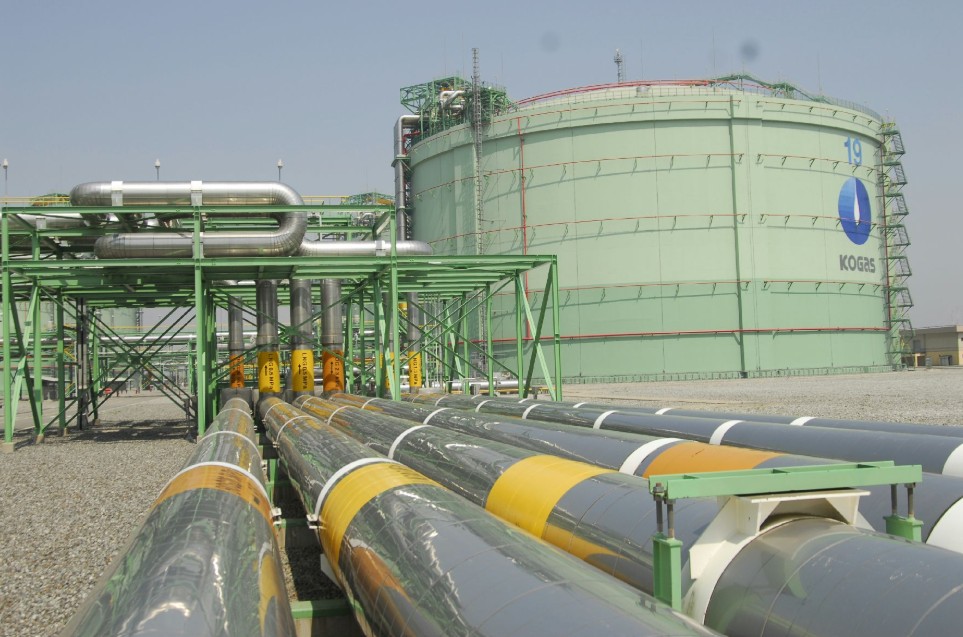
In March this year, Japan’s Jera and South Korea’s Kogas, the world’s largest LNG buyers, signed a new memorandum of understanding to cooperate in LNG and strengthen energy security in Japan and South Korea.
Areas of cooperation include discussing supply and demand trends and exploring cargo swaps to enhance portfolio flexibility and logistical efficiency across their LNG terminal networks.
During January-March, Japanese LNG terminals received 17.93 million tonnes of LNG, which is 3.51 million tonnes less than China, the world’s largest LNG importer in 2025, took during the three-month period.
South Korean LNG terminals received 12.67 million mt of LNG in the first three months of this year, a rise compared to 11.98 million mt in the same period last year.