
Published on
May 31, 2026

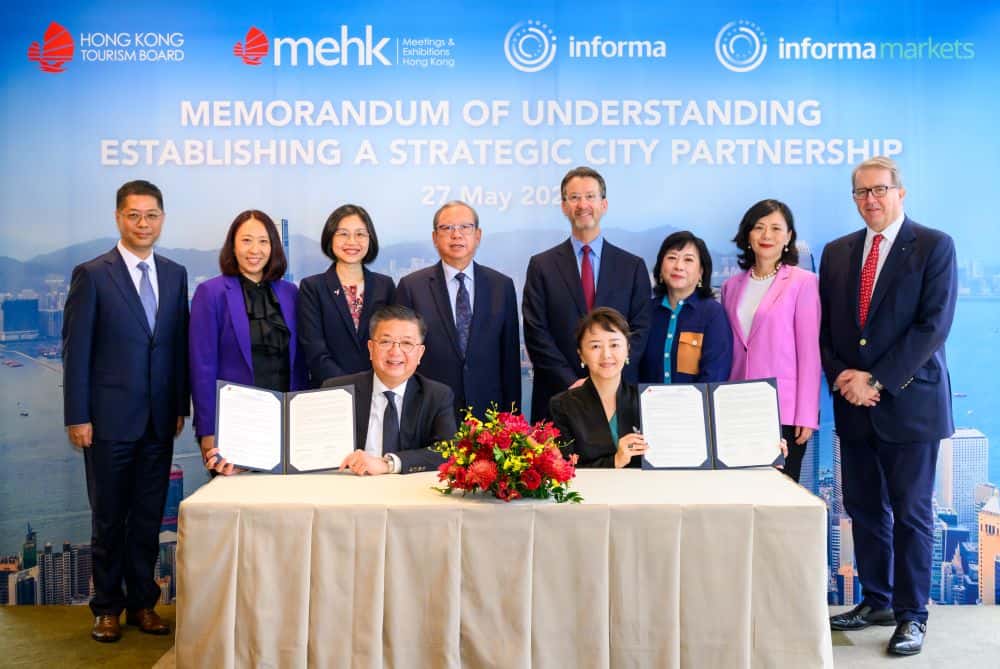
A three-year Memorandum of Understanding (MoU) has been signed by the Hong Kong Tourism Board (HKTB) with Informa Markets, one of the world’s largest trade exhibitions organizers, to bring into Hong Kong a range of international exhibitions IPs. Key to this partnership is the introduction of The Festival of Connoisseurs (TFOC), using an innovative approach of the first-of-its-kind in Asia “city-as-your-showroom.” Such a move will not only brand Hong Kong as the “World’s Meeting Place,” attract valuable tourists from overseas, but also ensure tourism growth in the future.
Launching Asia’s First City-as-Your-Showroom Concept for Tourism Expansion
Departing from conventional exhibition formats, TFOC transforms the entire city into a showcase, spanning multiple landmarks and signature locations. It highlights luxury sectors, including supercars, yachts, haute jewellery, horology, private aviation, premium travel, fine dining, rare spirits, art, and wellness products. The B2B2C model engages professional buyers, high-yield tourists, and the public, creating an immersive, multi-dimensional experience. This novel approach stimulates visitor spending, promotes sustainable luxury tourism, and contributes to long-term growth of Hong Kong’s tourism sector by integrating premium business events with high-end leisure travel opportunities.
Reinforcing Hong Kong as the World’s Premier MICE Destination
Under the MoU, TFOC will run from 2026 to 2028, establishing an annual flagship event that expands its international reach and prestige. By anchoring globally recognized luxury exhibitions in Hong Kong, including yacht shows, private aviation platforms, and supercar showcases, the city strengthens its role as a strategic gateway between China and the global market. This initiative supports future tourism sector growth by attracting international brands, investors, and high-value travelers, generating increased hotel occupancy, premium retail spending, and high-end service demand, all of which enhance the city’s long-term economic and tourism prospects.
Leveraging Informa Markets’ Global Expertise for Sustainable Growth
Informa Markets, with decades of experience in luxury and high-profile exhibitions, brings its expertise in event curation, international marketing, and premium network development to Hong Kong. Through TFOC, HKTB can participate in five major international events, including the Monaco Yacht Show, Palm Beach International Boat Show, Fort Lauderdale International Boat Show, Jewellery Arabia, and Top Marques Monaco, now extended to Hong Kong for the first time. This global exhibition alignment strengthens Hong Kong’s high-end tourism brand, encourages future investment, and supports the growth of a sustainable, internationally competitive luxury tourism sector.
Driving High-Value Visitor Engagement and Tourism Sector Expansion
The collaboration is expected to attract high-net-worth travelers, luxury business delegates, and cultural enthusiasts, generating incremental revenue for hotels, retail, dining, and leisure services. The “city-as-your-showroom” approach integrates iconic landmarks, arts, and lifestyle experiences, creating unique, high-quality visitor engagement. By linking premium exhibitions with tourism infrastructure development, HKTB fosters long-term growth in Hong Kong’s tourism sector, supporting job creation, private investment, and high-value tourism experiences that enhance the city’s regional and global competitiveness.
Establishing Hong Kong as Asia’s Luxury Event and Tourism Hub
Through TFOC, Hong Kong positions itself as the premier destination for luxury MICE tourism in Asia, offering multi-sector experiences that combine business, leisure, and lifestyle. The initiative highlights the city’s cultural diversity, architectural heritage, and dynamic business ecosystem, increasing its attractiveness for high-spending international travelers. This platform directly supports future tourism sector growth, enabling Hong Kong to expand luxury accommodation, fine dining, high-end retail, and entertainment offerings, while reinforcing its status as a world-class tourism and exhibition destination.
Advertisement
Advertisement
Future-Proofing Hong Kong’s High-End Tourism Market
The HKTB–Informa Markets partnership establishes a long-term framework for premium tourism development in Hong Kong. By introducing Asia’s first city-wide luxury exhibition model, leveraging globally renowned IPs, and integrating high-end lifestyle sectors, the city anticipates sustainable growth in visitor numbers, revenue, and investment. TFOC is expected to enhance brand positioning, global visibility, and economic impact, driving future expansion of Hong Kong’s high-end tourism and MICE sectors while establishing the city as a benchmark for luxury experiential events in Asia.
Hong Kong Poised for Sustainable Luxury Tourism Growth
This memorandum of understanding is set to mark a turning point for the tourism industry and MICE sector of Hong Kong by embracing luxury, innovation, and engagement. Through the city as your showroom approach, incorporating prestigious international exhibitions, and reaching out to high-value guests, the collaboration serves as a platform for sustainable growth in the future for Hong Kong’s tourism industry. This move places Hong Kong at the top among the most preferred cities worldwide for luxury exhibitions and high-profile business tourism, guaranteeing future growth in the tourism industry.
Advertisement
Advertisement
Image Source: HKTB
Advertisement
Advertisement
