
London – With scope of the EU Deforestation Regulation (EUDR) under imminent review, new Global Witness analysis has revealed that Fabrizio Nuti- a leading figure in efforts to remove leather from the law – owns a tannery that buys hides from deforesting farms in Paraguay.
Nuti’s tannery, called Lecom/Parpelli, buys hides from South American beef giants Minerva Foods and Frigorífico Concepción.
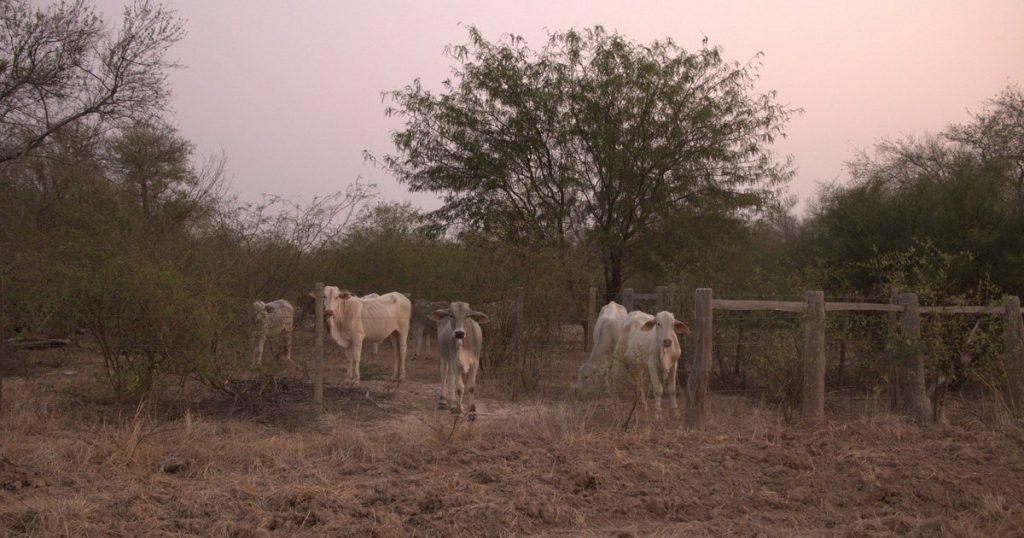
Global Witness analysis shows these firms have sourced from cattle farms that have cleared 110,000 hectares of climate-critical forest in the Gran Chaco since 2021. Since 2018, Lecom/Parpelli has shipped over $60 million of hides to the EU – including to Nuti’s group of Tuscan tanneries Nuti Ivo, which LVMH purchased for their Metiers d’Art portfolio in 2023.
There is a high risk that Nuti Ivo – and therefore LVMH – is purchasing hides from cattle farms that have destroyed forests on territory belonging to the Ayoreo Totobiegosode Indigenous People.
The Inter-American Human Rights Commission granted this territory special protection in 2016, but deforestation on their lands has continued. The EUDR is due to enter into application for large traders at the end of this year.
The European Commission will soon consult on its product scope, which could see leather removed from the law – in part due to Nuti’s lobbying.
Beate Beller, EU Senior Campaigner at Global Witness, said:
“We’re at a defining moment for the world’s forests and the climate. The Commission’s ‘simplification’ review is a litmus test of whether the EUDR is a serious environmental law, or mere performative rhetoric.
“Banning meat from deforested land while allowing the hide to be sold through the backdoor is a blatant loophole. Further changes now would make a mockery of the smallholder farmers who have spent years preparing to comply with these rules.
“If the EU bows to lobby groups with deep pockets, it won’t just weaken this law – it will shatter the credibility of its entire climate agenda. Rules only matter if they apply to everyone. If money can buy exemptions through industry-friendly studies and privileged access, this law risks becoming meaningless.”
Totobiegosode representative Guede, said:
“People who run businesses that want to destroy environmental laws should think of the Indigenous communities who live among nature every day.
“Companies that buy meat or leather from deforested land do not respect the rights of Indigenous Peoples and should not proceed in this way.”
Fabrizio Nuti and the lobbying organisations he leads, UNIC and COTANCE, have met with EU powerbrokers 16 times since 2024 – on average once every other month – to persuade them to remove leather from the EUDR.
Nuti Ivo did not respond to Global Witness directly, but COTANCE denied the group sources from Paraguay, despite trade data showing their tannery purchases from Lecom/ Parpelli.
Nuti Ivo also appears to have removed references to Lecom/Parpelli’s role in its “raw ingredient sourcing strategy” from its website after being contacted.
LVMH, Nuti Ivo’s parent company, denied lobbying to weaken the EUDR but has attended multiple EU meetings on “simplifying” environmental laws. LVMH did not respond to comment on its support for Nuti’s lobbying.
Removal of leather from the EUDR’s scope would enable businesses to continue sourcing hides produced on deforested lands from countries like Paraguay and Brazil, where cattle ranching has caused huge deforestation.
Frigorífico Concepción said it “maintains a strong commitment to sustainability, due diligence, and transparency throughout its entire supply chain” and denied its operations drive deforestation in Paraguay.
Minerva said it “recognizes that the longevity and success of its business depend on the sustainability of the ecosystems that support agricultural production”, highlighting that “100% of the company’s purchases were compliant with the Group’s Sustainability Policy.”
Lecom/Parpelli said it “reaffirmed their commitment to sourcing from deforestation-free areas” but admitted it was complicated to demonstrate this commitment over large supply chains, which requires coordination with multiple actors.
They cited a new partnership with nonprofit conservation organisation National Wildlife Federation to improve their traceability systems.
Extending influence beyond the EU
Nuti has also met with Paraguayan President Santiago Peña and Italian officials to build opposition to the regulation.
Following meetings with industry figures, Italy’s Deputy Prime Minister called for leather to be removed from the law, describing it as an “existential issue” for the tanning sector.
Global Witness is calling on EU policymakers to resist industry pressure and ensure the regulation remains robust, science-based, and effective in tackling global deforestation.