
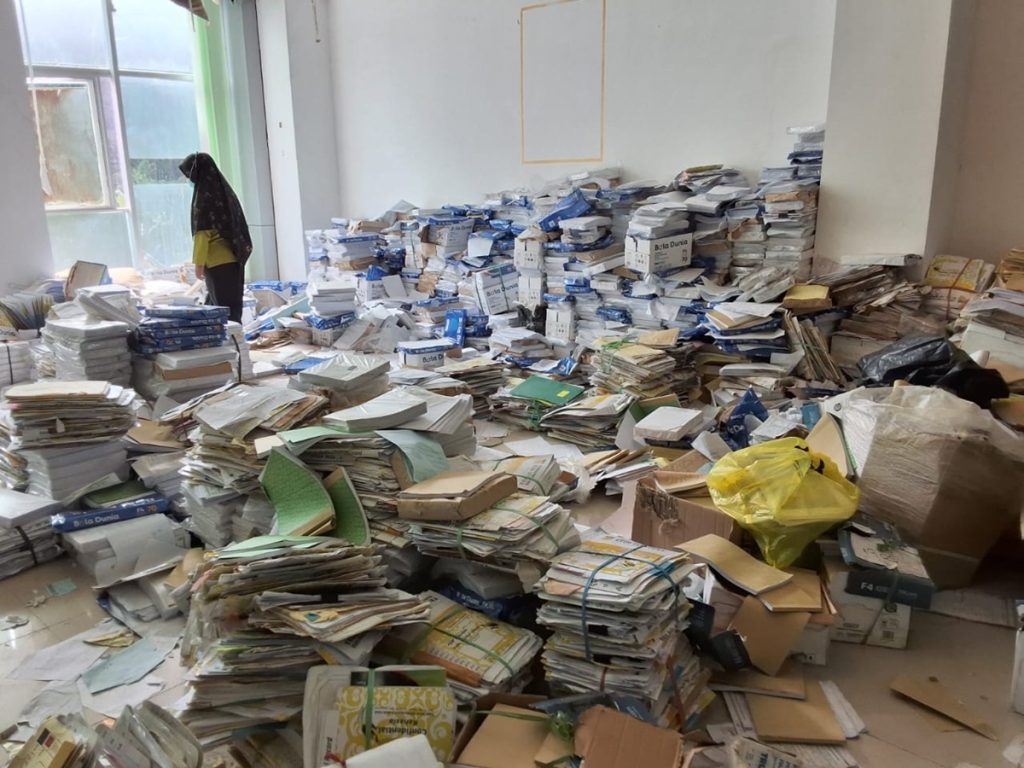
In Indonesia, malaria related deaths are often underreported and misclassified, particularly those occurring outside health facilities or involving complications. The causes of these deaths – whether delayed care, poor management or complications – are often not fully understood. This has obscured the disease’s true impact and led to poorly targeted public-health interventions. In response, the World Health Organization (WHO) supported the Ministry of Health (MoH) in 2024 and 2025 to review malaria-related mortality data in hospitals, for the first time since 2014.
Working with University of Indonesia’s Center for Health Administration and Policy Studies, MoH examined more than 500 000 malaria cases recorded between 2010 and 2023 in three high-risk provinces: Papua, Highland Papua and East Kalimantan. The analysis found 183 or 0.034% of malaria patients in hospitals died – a figure higher than the country-level data in the national malaria information system.
A concerning finding was that 44 deaths – that is, roughly one in four – could have been prevented with timely diagnosis and referral, adequate clinical monitoring, and proper documentation to guide clinical care. Alarmingly, despite falling case numbers, the number of malaria deaths has persisted.
The WHO Global Technical Strategy for Malaria 2016–2030 calls for a 90% reduction in malaria mortality by 2030 and the prevention of avoidable deaths. Measures such as better mosquito control, insecticide-treated bed nets and targeted surveillance can help. But also, the review’s findings show an urgent need to act – by improving clinical care to save lives, especially in the most affected areas where malaria deaths are becoming more concentrated.
This activity was supported by The Global Fund to Fight AIDS, Tuberculosis and Malaria.
Written by Ajib Diptyanusa, National Consultant for Malaria and Vector-Borne Diseases, and Budiarto, National Professional Officer (HIV, Hepatitis, and Sexually-Transmitted Infections), WHO Indonesia