
Global life-sciences titans are betting on Hong Kong to be their respective launchpads as the special administrative region provides strong legal anchor, trusted capital connectivity, and access to the Chinese mainland’s industrial ecosystem.
Representatives from life-sciences companies echoed their views at Wednesday’s 2026 International Biotech Innovation Summit, organized by International Biotech Innovation Synergy Center, Pinnacle Food Group, and Bauhinia Magazine.
READ MORE: HKSTP propels global connections, streamlines capital for biotech startups
Pinnacle Food Group, listed on the US’ Nasdaq Stock Market, focuses on smart farming and bioengineering.
The company on Monday announced it will create Asia’s first open yeast platform hub, to be established in Hong Kong-Shenzhen Innovation and Technology Park (HSITP). Aiming to attract potential synergistic partnerships in yeast-based research and accelerate the commercialization of high-value biological products, the company hopes the platform will enhance the company’s strategic position in Asia’s fast-growing bioengineering ecosystem.
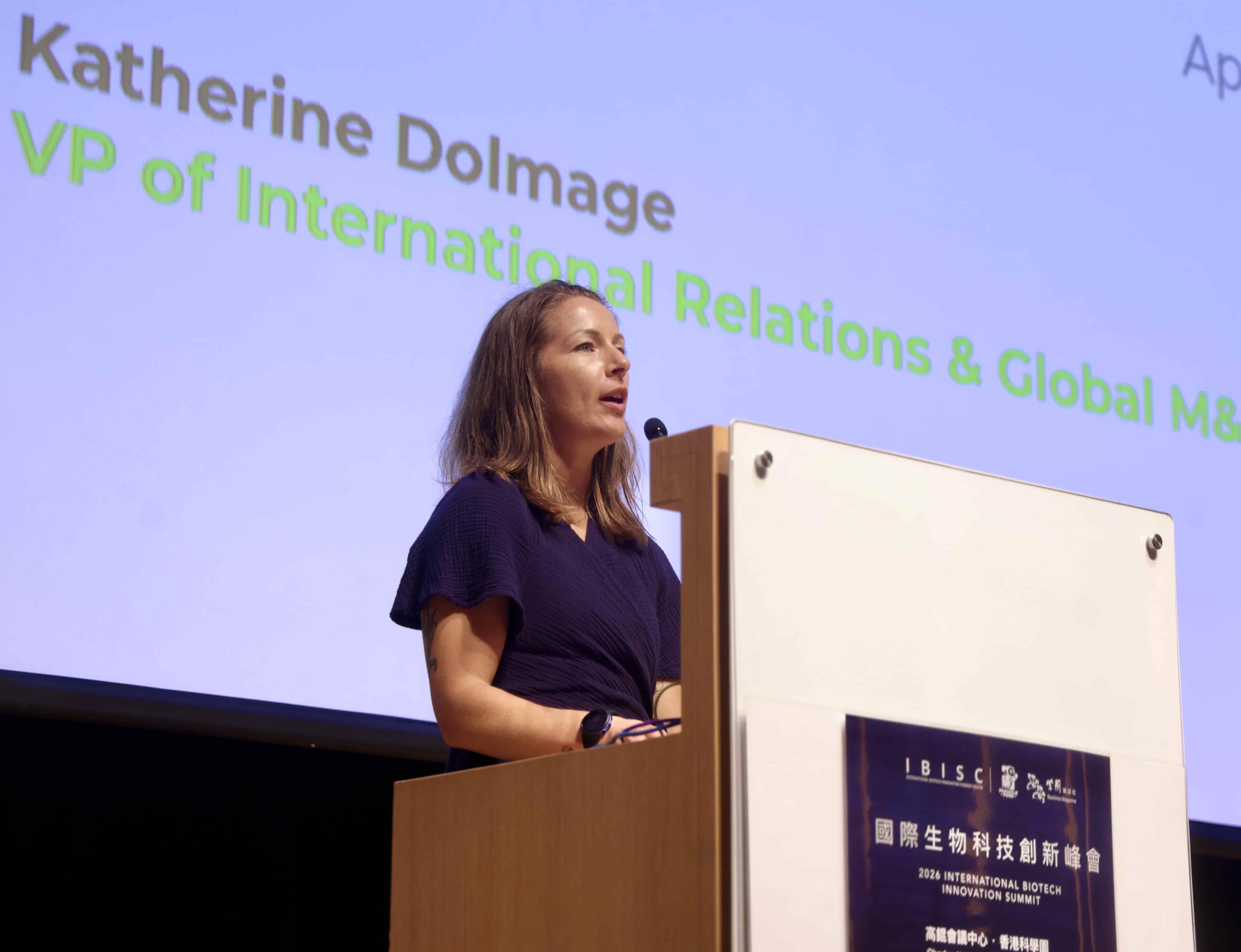
“Global researchers and startups are attracted by Hong Kong’s open tools and ecosystem. Innovations are validated through our platform here, and the output production process goes naturally into the manufacturing capacity of the Guangdong-Hong Kong-Macao Greater Bay Area,” said Katherine Dolmage, Pinnacle Food Group’s vice-president of international relations and M&A.
“Hong Kong perfectly connects the global innovation and regional manufacturing scale, and that is the virtuous cycle,” Dolmage said at the summit.
READ MORE: Dutch life sciences sector courts China as HKSAR steps up role as biotech bridge
She added that Hong Kong’s integrated position between global capital, research and development, and regional manufacturing is exactly what the platform needs.
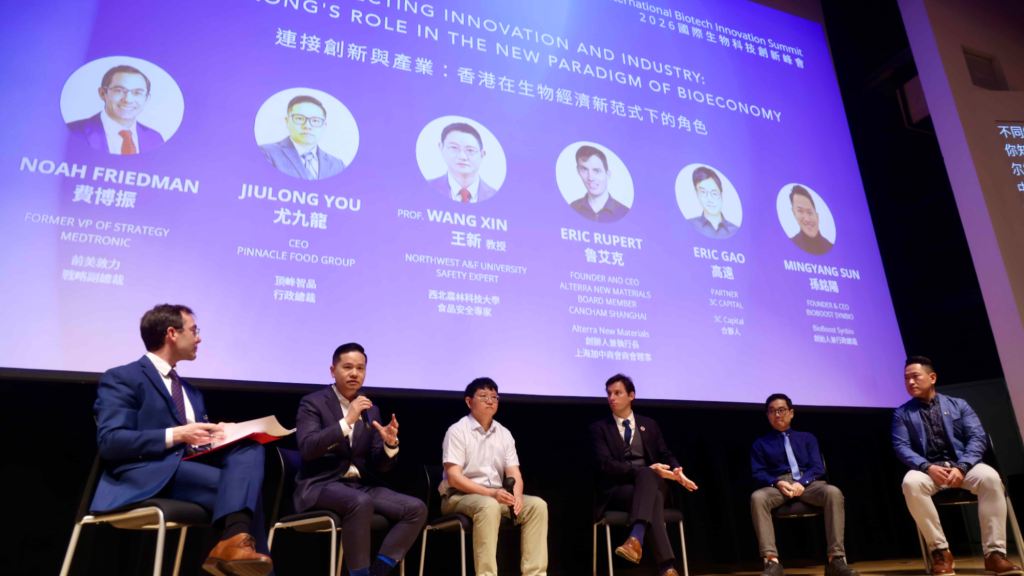
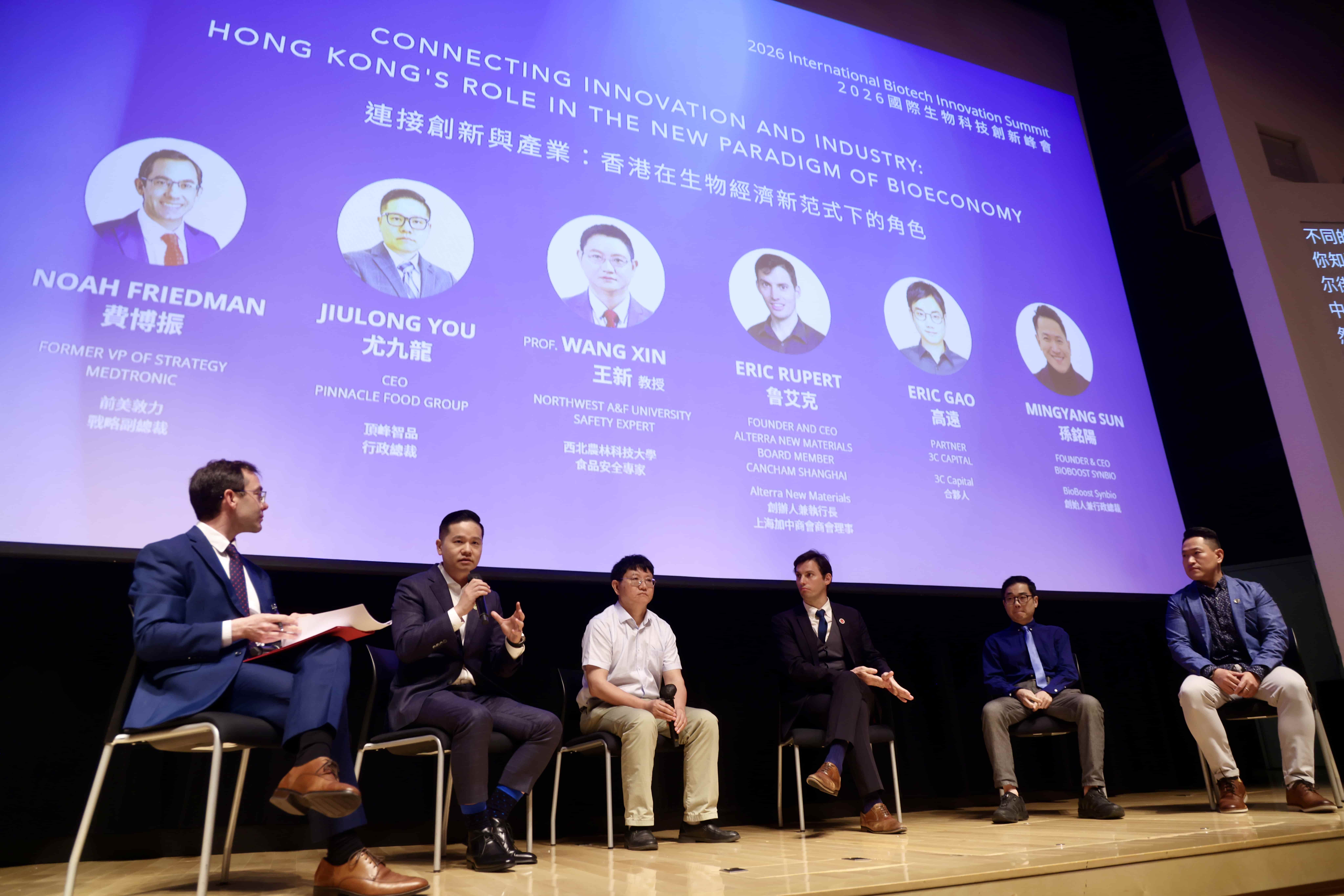
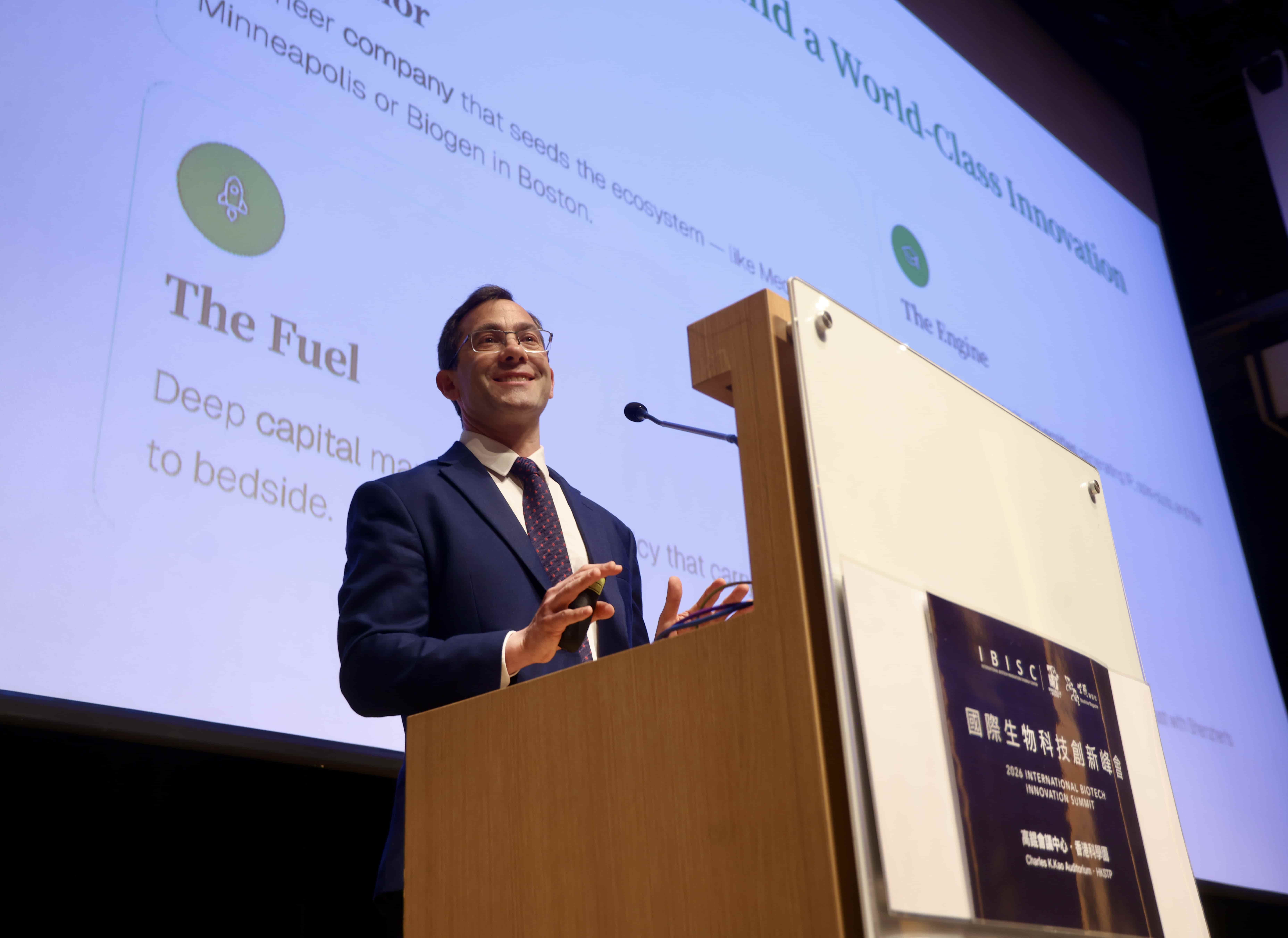
Noah Friedman, the former vice-president of strategy at global medical-technology services provider Medtronic, said the Chinese mainland and Hong Kong have huge business collaboration opportunities in the segment of synthetic biology.
Synthetic biology is a new area of biological research that combines science and engineering to design and construct new biological parts, and redesign existing biological systems.
“The Chinese mainland holds 70 percent of global fermentation capacity, which is unmatched in terms of cost and volume. Hong Kong cannot nor should not compete with the mainland on scale,” Friedman said.
READ MORE: HK a crucial bridge in global biotechnology, investment: science expert
Friedman said Hong Kong has the trust infrastructure edge in terms of intellectual property protection, capital markets and data sovereignty that is vital to synthetic biology business, although mainland and Hong Kong authorities need to tackle the challenges of regulatory harmony and talent mobility regarding advancing research in synthetic biology
“The ambition in the synthetic biology segment is that it can shift from ‘Made in China’ to ‘Engineered in HSITP,’ ” Friedman said.
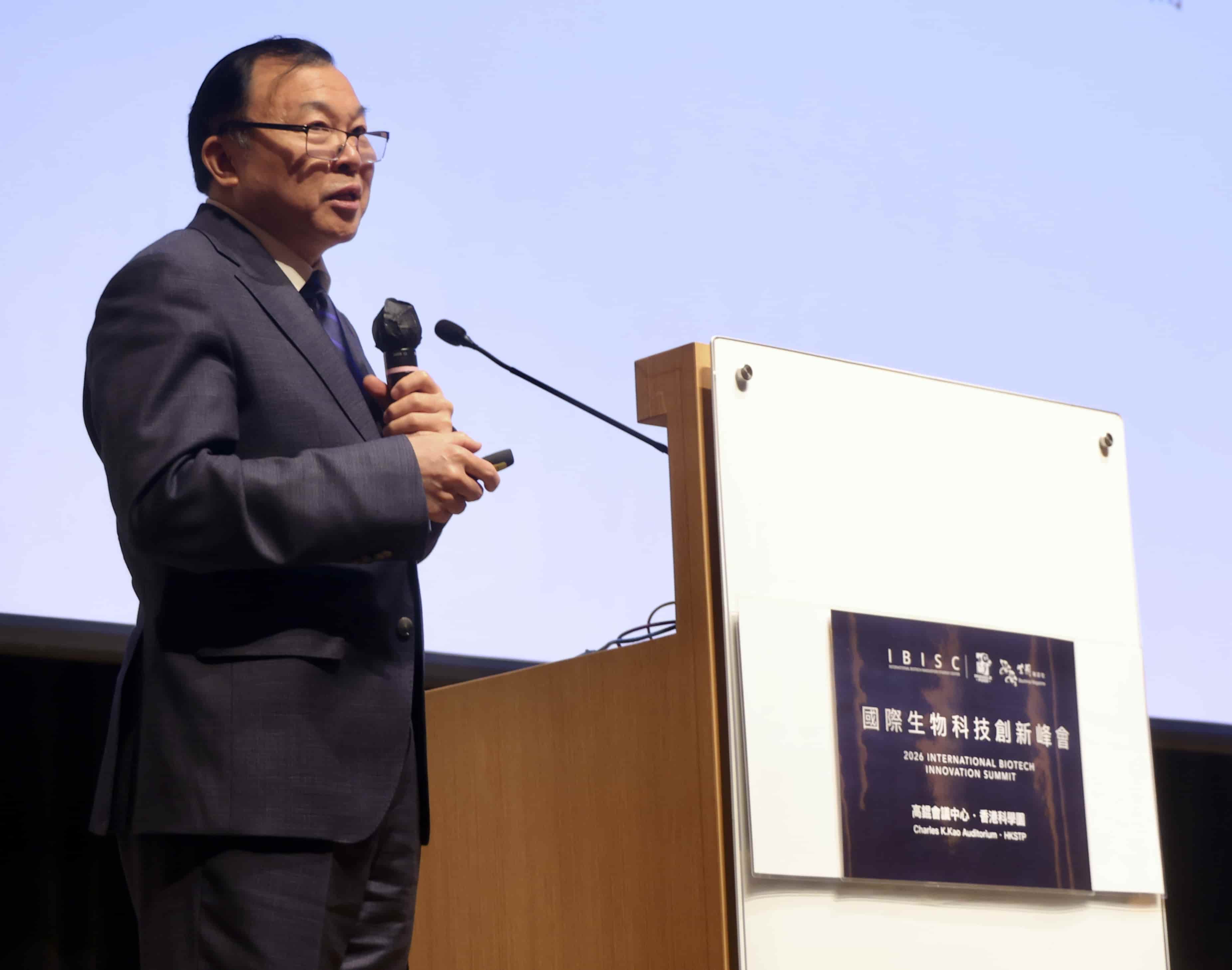
Guo Yafu, president of TJCM Asset Management, said Hong Kong is an international financial center that provides the common law legal anchor and trusted connectivity bridge between global capital and the mainland market.
He said Hong Kong’s legal system and trusted capital connectivity can complement the United States’ innovation ecosystem and capital market and the Chinese mainland’s fully integrated industrial system to elicit global investors to deliver a durable, scalable and repeatable valuation premium on the global technology sector.
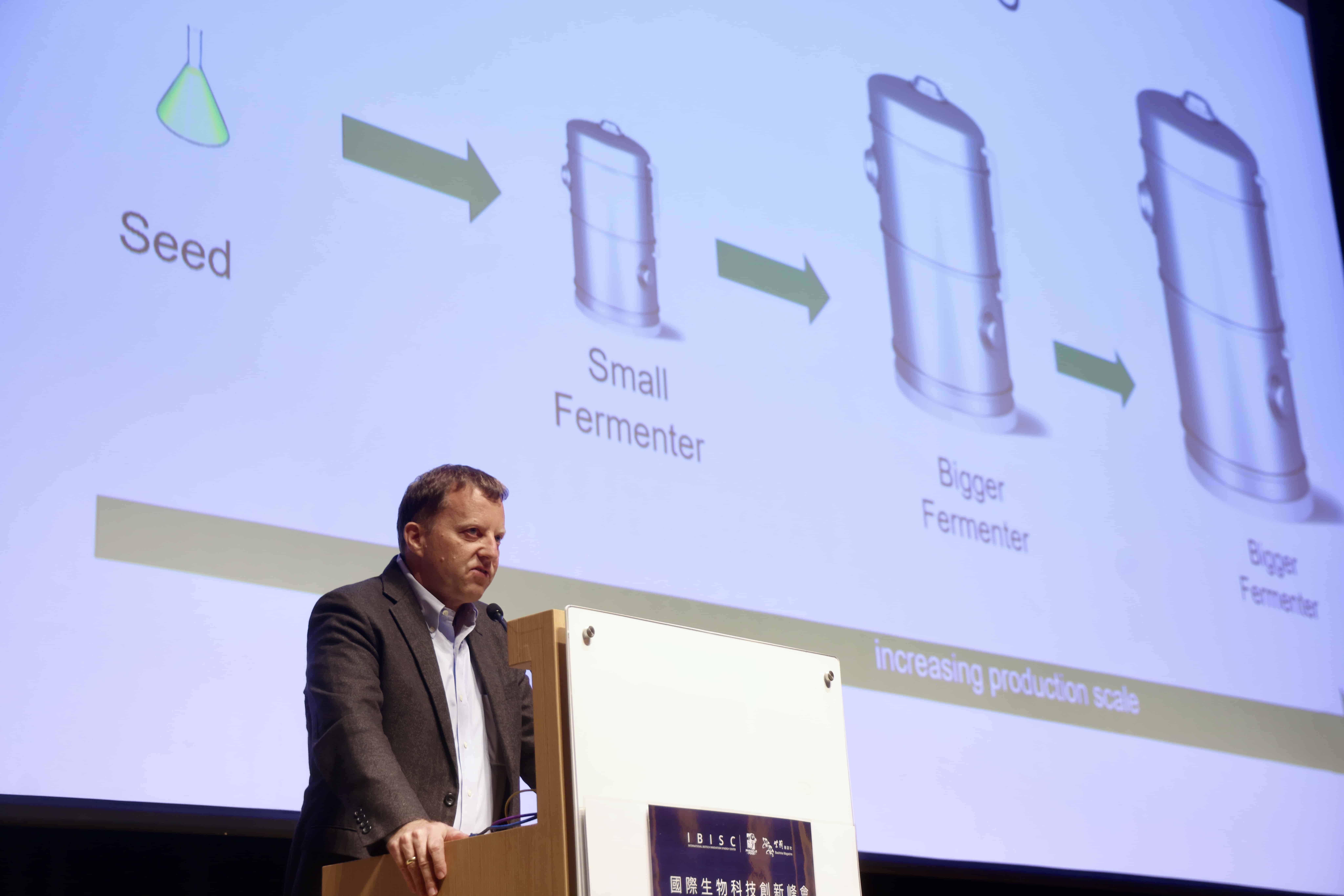
For Wolfgang Eger, CEO of biotech commercialization firm Kijani Asia, a pilot plant at HSITP will be a great asset for local companies.
“A pilot plant at HSITP can bring convenience, speed, cost-saving, higher probability of success through proximity to Hong Kong’s research-and-development team, and easy technology transfer through proximity to manufacturing plant in the mainland,” Eger said.
Event Special